




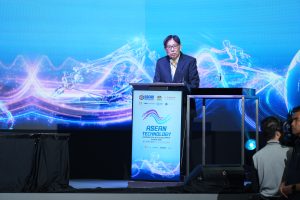
美国能源巨头康菲石油(ConocoPhillips)正与马来西亚国家石油公司(Petronas)展开合作谈判,计划加码投资沙巴油气项目,进一步扩大其在马来西亚的战略布局。康菲首席执行官瑞安·兰斯(Ryan Lance)于2025年亚洲能源峰会期间公开表示,公司正在与国油探讨多个合作选项,并将重点放在沙巴州的资源开发上,强调对马来西亚市场的长期承诺。
退出砂拉越项目,战略资源转向沙巴
这一声明正值康菲公司调整其在东南亚的资源配置。该公司于2025年4月30日宣布退出砂拉越海域的深水油气田Salam-Patawali(WL4-00区块),该项目原为2018年与国油共同开发,总投资额高达137亿令吉。康菲在声明中指出,此项撤资是“国家战略检讨”的一部分,但并未进一步说明退出的细节。有分析认为,该决定可能与砂拉越近年来在油气资源管理权方面与联邦政府及国油之间的张力有关。相比之下,沙巴地区的政治与监管环境相对稳定,为康菲转向沙巴提供了政策保障和战略吸引力。
目前,康菲在马来西亚持有五项生产共享合同,其中四项位于沙巴海域,包括G区块、J区块、Kebabangan油气集群(KBBC)以及2024年新收购的Ubah油田。特别值得一提的是KBBC集群,作为沙巴离岸大型天然气资源之一,于2025年初被国油正式移交康菲子公司全权运营。根据业内估算,该油气集群每日可输出天然气达7.5亿标准立方英尺,并有望支撑马来西亚国内及区域性能源市场至2050年。

液化天然气布局深化,聚焦长期市场潜力
康菲此次战略转移不仅局限于石油资源,也着眼于液化天然气(LNG)领域的长期前景。在峰会对话环节中,瑞安·兰斯提到,尽管全球天然气价格存在波动,康菲依旧对LNG市场维持“长期、建设性的乐观态度”。他指出,市场正在发展一种更具弹性的合约结构,例如卡塔尔近来推动的十年以上长期LNG合约,与此同时,一些客户也倾向签订更短期、具有目的地灵活性的协议,以便利用区域套利机会。康菲对这种“混合策略”表示关注,并认为掌握合约灵活性将是进入亚洲市场的关键因素。
康菲对沙巴的兴趣也契合当前东南亚地区对清洁能源的迫切需求,尤其是在数据中心和制造业迅速发展之际,对天然气电力的需求显著提升。据《路透社》报道,包括壳牌、道达尔能源、埃尼集团与日本Inpex在内的国际能源巨头,皆正在东南亚加速部署天然气资产。康菲则希望借助在沙巴的项目,打造其在亚太区能源战略中的枢纽角色。
在全球能源结构面临重大转型的当下,康菲的这一举动显然不仅是资源转移,更是对马来西亚油气地缘价值的一次重估。未来数年内,康菲与国油在沙巴的深度合作,将可能成为推动马来西亚能源出口能力、吸引外资投资信心以及支撑国家经济复苏的重要支点。
U.S. oil and gas giant ConocoPhillips has reaffirmed its long-term commitment to Malaysia by entering discussions with Petroliam Nasional Berhad (Petronas) to explore potential investments in Sabah. Speaking at the 2025 Asia Energy Summit in Kuala Lumpur, ConocoPhillips Chairman and CEO Ryan Lance revealed that the company is actively engaged with Petronas on multiple cooperation opportunities focused on expanding operations in the resource-rich state of Sabah.

Strategic Shift: Exit from Sarawak, Realignment Towards Sabah
This move comes amid a broader strategic realignment by ConocoPhillips in Southeast Asia. On April 30, 2025, the company announced its withdrawal from the Salam-Patawali deepwater oil and gas project (WL4-00 Block) located offshore Sarawak. The project, jointly developed with Petronas since its discovery in 2018, carried a total investment of RM13.7 billion. ConocoPhillips stated the exit was part of a “strategic portfolio review,” without offering further details. Analysts suggest the decision may have been influenced by ongoing regulatory tensions between Sarawak’s state government and Petronas over resource control, which have created operational uncertainty.
In contrast, Sabah presents a more stable regulatory and political environment, making it an attractive focus for ConocoPhillips’ upstream expansion. The company currently holds interests in five production-sharing contracts in Malaysia, four of which are offshore Sabah—including Blocks G and J, the Kebabangan Cluster (KBBC), and the Ubah Cluster acquired in 2024. Notably, ConocoPhillips took over full operational control of KBBC from Petronas earlier this year. The cluster is estimated to produce up to 750 million standard cubic feet of natural gas per day, with supply potential extending to 2050.
LNG Outlook Positive: Targeting Long-Term Global Demand
ConocoPhillips’ pivot towards Sabah also aligns with its optimistic outlook on liquefied natural gas (LNG) development. During the summit’s leadership dialogue, Ryan Lance expressed confidence in the long-term prospects of the LNG market despite short-term price volatility. He highlighted a growing trend toward hybrid contract models, with countries like Qatar offering long-term agreements exceeding 10 years, while some buyers prefer more flexible, short-term contracts with optional destination clauses to take advantage of global price differentials.
While this flexibility presents a new opportunity for both producers and buyers, Lance cautioned that it remains unclear whether the market can sustainably support such arrangements. Nonetheless, he reaffirmed ConocoPhillips’ constructive long-term view of LNG pricing and global demand growth.
Sabah’s LNG potential is also timely, as Southeast Asia faces surging energy demand driven by industrial expansion and data center development. According to Reuters, energy majors including Shell, TotalEnergies, Eni, and Japan’s Inpex are all intensifying LNG activities across the region. ConocoPhillips’ expanded footprint in Sabah is thus poised to play a critical role in its Asia-Pacific energy strategy.
As the global energy landscape undergoes transformation, ConocoPhillips’ renewed focus on Malaysia—particularly Sabah—signals a strategic revaluation of the country’s importance in the regional energy equation. The deepening partnership with Petronas may well shape Malaysia’s future as a natural gas export hub and a magnet for foreign investment in sustainable energy infrastructure.




查看评论
若要留言或按"赞",需先成为本刊订户。