人才发展

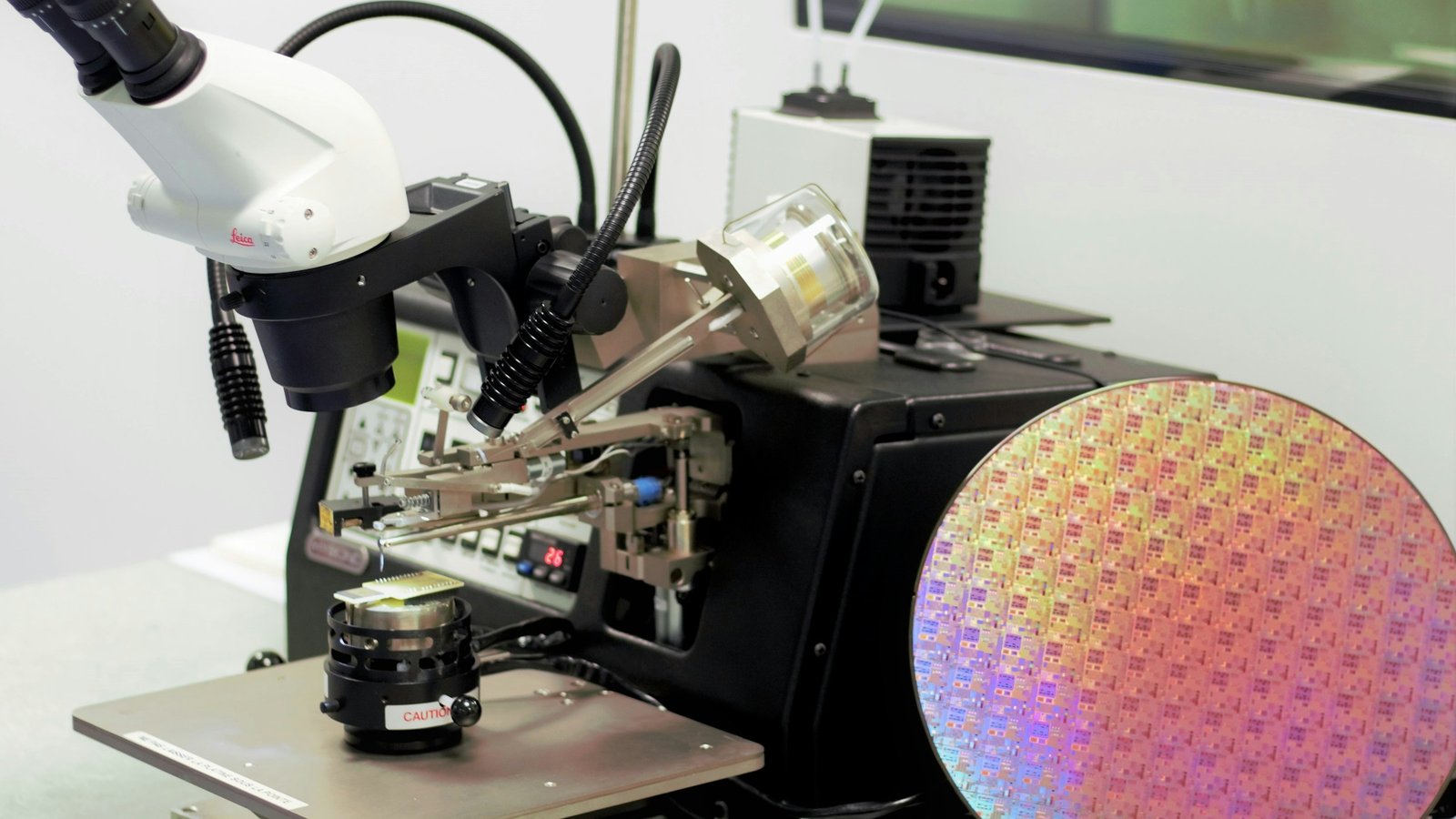
实验室里的显微镜、打线机与一片已加工的晶圆
半导体人才培训达6万目标的38%:初级工程师月薪RM3,500起,00后怎么入行、老板怎么留人?
想进芯片业的00后,有新数字可以参考了。投资、贸易及工业部长佐哈里(Johari Abdul Ghani)10月21日在国会说,截至今年第三季,已有22,849人通过各种半导体人才计划受训。政府的目标是2030年前培养6万名高技能工程师,现在大约走到38%。 这些人是怎么练出来的? 这是“国家半导体策略”(NSS)的进度。蒲种区国会议员杨美盈(Yeo Bee Yin)在国会问起,部长给了几条主要路线: 人力资源发展机构(HRD Corp)批了RM4,767万培训津贴,涵盖19,084个培训名额,范围包括IC设计、先进封装、自动化和数码科技(据《星报》)。 大学和企业合作开课,例如与ViTrox合办电子工程课程、与英特尔(Intel)合作先进封装课程、与美光(Micron)合作封装测试课程。 人力资源部正在槟城日马技术学院(JMTI)设立半导体学院,今年拨款RM500万,先训练50名专业导师。太平Adtec的全职微电子课程,截至8月31日有174名学生。 入行能拿多少? 据《星报》报道,初级工程师月薪约RM3,500至RM6,000;IC设计和研发专才,可达RM8,000至RM25,000。和明年6月起的RM2,000最低薪金比,起点不算低。 不过杨美盈也追问:人练好了,会不会被外国挖走?部长承认,同类工作在新加坡、韩国、台湾和英国,薪水可能是大马的2至3倍,但当地生活费也更高。 还有一个空白:练完的人去了哪里? 部长说,受训者有多少真的进了半导体业、留了多久、在哪个细分领域,目前还没有数据。投资贸工部正和人力资源部、高教部一起整理。 简单说,“练了多少人”有数字,“留下多少人”还没有。 从企业角度看 离6万人还差约3.7万人,未来几年抢人只会更激烈。对芯片和电子厂来说,HRD Corp津贴可以降低培训成本,但人练好了留不留得住,才是真正的账。与其等员工递信才谈加薪,不如先把升职路线、加薪时间和培训承诺写清楚,让新人看得到自己三年后的样子。 00后可以先做3件事 先选方向:IC设计、封装测试、设备与自动化,要的技能不一样,先想清楚再挑课程。 问清条件:公司出钱送你上课,有没有绑约?要服务多久?提早离职要赔多少? 算清出国账:外国薪水高2到3倍,但要扣掉房租、生活费和离家成本,再来比较。 接下来看什么 一是政府什么时候公布受训者的就业和留任数据;二是槟城半导体学院的导师培训进度;三是明年6月最低薪金上调后,电子业新人的起薪会不会跟着往上走。 资料来源 The Star:Close to RM48mil approved for semiconductor skills training, Dewan Rakyat told(2026年10月21日) Media Selangor:22,849 workers trained through semicon programmes as of September(2026年10月21日) Berita RTM:22,849 bakat dilatih perkukuh industri semikonduktor Malaysia(2026年10月21日) TVS:Dewan Rakyat: 22,849 bakat semikonduktor dilatih setakat suku ketiga 2026(2026年10月21日)
专业人士赴新加坡薪水可翻倍:大马企业留人,不能只拼底薪
人力资源部长拉玛南10月8日在国会书面答复中指出,根据统计局2025年薪资调查,大马专业人士的月薪中位数为6,124令吉;而人才机构(TalentCorp)的研究显示,在新加坡工作的大马专业人士,多数月薪介于4,001至7,000新元,按报道换算约为12,773至22,348令吉。换句话说,即使只看区间下限,跨过长堤的薪水也已是本地中位数的两倍以上。 为什么人才往南走 TalentCorp在2024年针对赴新工作原因所做的研究中,有94.5%受访者把更高薪资与收入潜力列为首要因素。拉玛南也表示,差距在高科技领域最明显,尤其是资讯科技,具备技能的大马专业人士在新加坡月薪可超过1万新元(约31,926令吉)。 需要注意的是,这组对比是“本地所有专业人士的中位数”对上“在新大马人的薪资区间”,两者口径不同,也未计入新加坡较高的生活成本。但对企业而言,员工比较的往往正是到手薪水,这个落差本身就足以影响去留决定。 政府的三项对策 部长列出的应对措施包括:针对月薪低于5,000令吉员工的渐进式薪金政策;柔新经济特区(JS-SEZ)为合格知识型员工提供15%个人所得税率,根据大马投资发展局(MIDA)资料,优惠期为10年;以及TalentCorp“回流专才计划”同样提供15%统一税率。 同一天,经济部副部长莫哈末沙哈在国会表示,2025年雇员薪酬占国内生产总值(GDP)的比重为33.9%,较2024年的33.6%上升0.3个百分点,政府有信心在2030年达到40%的目标,并考虑把渐进式薪金政策扩大到策略性领域。 从企业角度看:差距不会很快消失 以简单计算来看,要在2030年前从33.9%升至40%,每年平均须提高约1.2个百分点,是去年增幅的四倍左右。这意味着整体薪资水平的追赶需要时间,短期内企业很难单靠加薪追平新加坡。 另一方面,现有税务优惠集中在特定地区与特定人才,例如柔新经济特区的知识型员工与回流专才,并非所有企业、所有岗位都能直接受惠。中小企业若想留住核心人才,更现实的做法是把“薪资”以外的条件做实。 企业可以先做的四件事 找出高风险岗位:资讯科技、工程与数据相关岗位的薪资差距最大,应优先对照新加坡同类职位的市场薪资,评估流失风险。 检视税务优惠是否适用:业务或团队位于柔新经济特区的企业,可了解知识型员工15%税率的资格条件;招聘海外大马人时,可评估对方是否符合回流专才计划,用税后收入缩小差距。 建立清楚的薪资阶梯:让员工看得到升职、加薪与技能认证之间的对应关系,比一次性调薪更能留人。 盯紧预算案:预算案2027将于10月9日提呈,渐进式薪金政策是否扩大适用、最低薪金如何调整,都会直接影响明年的人力成本规划。 后续观察 接下来值得追踪的指标包括:预算案2027对薪资政策与人才回流的具体措施、统计局下一份薪资调查中的专业人士中位数变化、雇员薪酬占GDP比重能否加速上升,以及柔新经济特区知识型员工税务优惠的实际申请情况。 资料来源 Malay Mail:Why Malaysian professionals look to Singapore? Because many can earn more than double, says HR minister(2026年10月8日) Malay Mail/Bernama:Govt confident of hitting 40pc workers' compensation target by 2030(2026年10月8日) MIDA:JS-SEZ – tax incentives and talent imperatives Rates.my:When Is Malaysia's Budget 2027(预算案提呈日期)
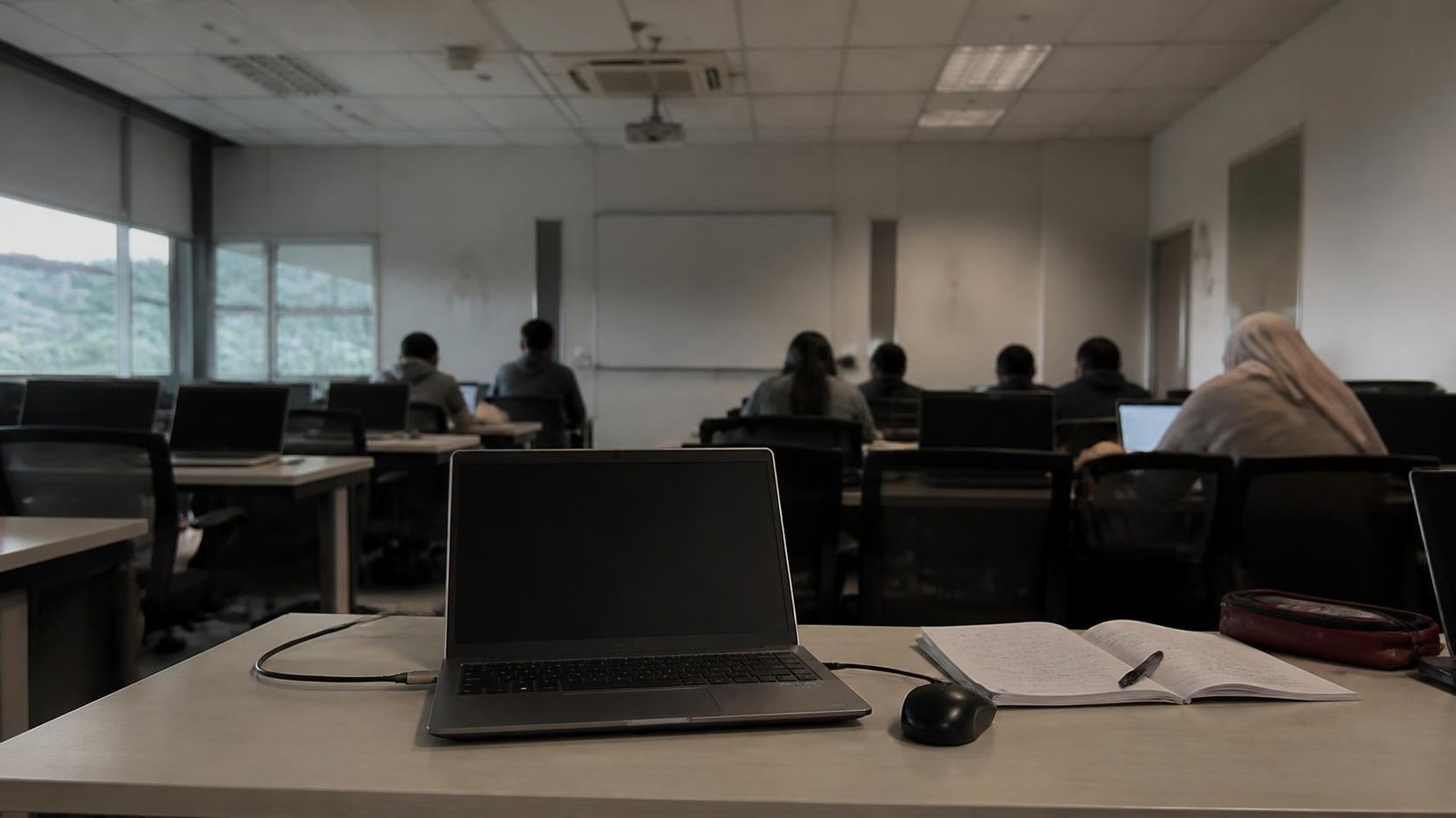
大学电脑室里,学生背对镜头使用笔记本电脑上课
政府要培养3万名懂AI的毕业生:00后新人进公司,老板可以先做这3件事
政府想让更多大学生学会用AI(人工智能)。高等教育部长赞比里(Datuk Seri Dr Zambry Abdul Kadir)10月8日在国会说,高教部的目标是在2025年到2030年之间,培养3万名懂AI的毕业生。 政府打算怎么做? 11所国立大学开办30个专门教AI的课程,从学士、硕士到博士都有。 到9月30日为止,已经检查并更新了455个大学课程,让内容跟得上科技变化。 以后国立大学八成的学士课程,都会加入AI的内容。 部长也提醒,AI应该是帮学生学习的工具,不能让学生什么都“问ChatGPT”,自己却不再动脑。 这跟老板有什么关系? 简单说:再过几年,来公司上班的00后新人,很多在大学就已经天天用AI。 这代表“会不会用AI”不再是加分项,而是基本功。真正要看的是:新人能不能看出AI答错了?能不能讲清楚自己为什么这样做? 如果公司给新人的工作,还是整理资料、写初稿这类AI几分钟就能做完的事,新人很可能觉得学不到东西,做不久就走。 老板现在可以做的3件事 重新分工作:把AI能做的杂事交给AI,让新人多做需要判断、需要跟人沟通的事。 面试换个问法:给应聘者一份AI写的东西,请他挑出错误,并说明原因。 安排人带:让新人跟着前辈做真实的项目,而不是整天做重复的工作。 接下来留意什么? 首相安华10月9日会公布《2027年财政预算案》,可以看看有没有帮助年轻人学技能、找工作的新拨款。 资料来源 BERNAMA:MOHE Targets 30,000 AI Graduates By 2030 - Zambry(2026年10月8日) Malay Mail:Zambry: MOHE targets 30,000 AI graduates by 2030(2026年10月8日) 东方日报:高教部放眼未来5年 栽培3万AI领域毕业生(2026年10月8日) BERNAMA:2027年预算案提呈日期(2026年10月6日)
YEF 2026青年经济论坛聚焦马来西亚经济未来
YEF 2026迈入第10届 聚焦马来西亚经济下一个十年
(吉隆坡3日讯)2026年青年经济论坛(YEF 2026)迈入第10届,并以“解码下一个十年:推进马来西亚经济新边疆”为主题,邀请青年领袖、政策制定者、企业领袖、学者及创新者,共同讨论马来西亚未来经济发展方向。 本届论坛围绕数码、绿色、人才及社会4大支柱展开,议题涵盖人工智能应用、绿色增长、人才培训、公共服务、收入提升、生活成本及社会包容。 主办方 Perdana Fellows Alumni Association(PFAA)表示,YEF的定位不只是交流平台,也希望将青年观点转化为可供政策制定者、企业及相关机构参考的实际建议。 数码科技推动传统行业转型 在数码支柱下,人工智能及数码科技被视为推动传统行业升级的重要工具。 对于中小企业及传统行业而言,人工智能的应用范围已从单纯的资讯科技领域,延伸至客户服务、财务管理、生产流程、市场推广及企业决策。 不过,企业采用人工智能仍面对成本、人才及技术能力等问题。青年经济论坛提出的相关讨论,显示未来的数码转型不能只关注大型企业,也必须让中小企业及年轻创业者获得更实际的工具、培训和融资支持。 如果数码科技能够进一步进入传统行业,将有助提升企业生产力,并改善马来西亚企业在区域市场的竞争能力。 绿色增长带来新的商业机会 绿色支柱则聚焦绿色经济及可持续发展机会。 随着企业面对能源转型、减碳及供应链要求,绿色经济已不再只是环境议题,也与投资、制造、能源、建筑及企业采购政策有关。 对青年创业者而言,绿色能源、能源效率、环保材料及低碳服务,可能成为新的商业领域。不过,初创企业往往面对资金不足、技术认证及市场准入等问题。 因此,绿色经济要形成规模,除了依靠企业投资,也需要技能培训、概念验证资金及采购机会配合,让青年企业能够从创意阶段进入商业化阶段。 人才培训必须配合产业变化 人才是YEF 2026讨论的另一项重点。 随着人工智能、自动化和绿色转型加快,企业对人才的要求也不断改变。传统学历仍然重要,但企业同样需要员工具备数据分析、数码工具、绿色技术及跨领域解决问题的能力。 因此,持续培训及技能提升将成为企业维持竞争力的重要条件。让在职人士通过短期课程、微证书及累积式学习提升能力,也有助减少企业招聘与现有人才技能之间的落差。 对年轻人而言,能够边工作边进修,将比单纯等待下一份工作更有利于长期职业发展。 青年参与经济决策 社会支柱则涵盖公共服务、收入增长、生活成本及社会包容。 年轻人面对的经济问题,往往与就业、住房、生活成本、公共交通及社会流动有关。因此,青年参与经济政策制定,不应只停留在论坛发言或一次性的咨询活动。 YEF 2026 相关政策建议提出,应建立更长期及具代表性的青年参与机制,让不同州属、行业及社会背景的年轻人,能够持续向政策制定者反映意见。 这类机制也能帮助政府及企业更早了解年轻消费者、创业者及就业人士面对的实际问题。 企业可从青年议题寻找新方向 对企业界而言,YEF 2026 讨论的议题与企业未来发展直接相关。 人工智能将影响企业营运和人才需求;绿色转型将改变供应链、融资及采购标准;技能培训将影响招聘和员工生产力;公共服务改善则可能影响企业营商效率。 因此,企业参与青年经济议题,不只是履行社会责任,也可以帮助企业了解未来市场、人才及政策环境的变化。 YEF迈入第10届,显示青年经济议题已逐渐从社会讨论,进入国家发展及商业决策的范围。 SOMO观察 YEF 2026 将数码、绿色、人才及社会放在同一个经济讨论框架内,反映企业面对的挑战已不再是单一的投资或就业问题。人工智能会改变生产模式,绿色要求会影响供应链,技能培训会决定企业转型速度,而生活成本则会影响消费与人才稳定。对企业而言,青年并不只是未来劳动力,也是创新、消费和创业生态的重要参与者。若政府、企业与青年能够建立持续沟通机制,将有助减少政策与市场实际需求之间的落差。 YEF迈入第10届,重点已从青年交流平台,逐步扩大至讨论马来西亚经济未来竞争力的平台。   YEF 2026 Marks 10th Anniversary, Focuses on Malaysia’s Economic Future for the Next Decade KUALA LUMPUR, 3 OCTOBER 2026 – The Youth Economic Forum (YEF) 2026 marks its 10th anniversary this year under the theme “Decoding the Next Decade: Advancing Malaysia’s Economic Frontier”. The forum brings together youth leaders, policymakers, business leaders, academics and innovators to discuss Malaysia’s economic direction for the coming decade. The forum focuses on four key pillars: Digital, Green, Talent and Social. Discussions cover artificial intelligence, green growth, talent development, public services, income growth, cost of living and social inclusion. The organiser, the Perdana Fellows Alumni Association (PFAA), said YEF is not merely a platform for discussion, but also seeks to translate youth perspectives into practical recommendations for policymakers, businesses and relevant institutions. Digital Technology to Drive the Transformation of Traditional Industries Under the Digital pillar, artificial intelligence and digital technology are viewed as important tools for upgrading traditional industries. For small and medium-sized enterprises and traditional businesses, the application of artificial intelligence has expanded beyond the information technology sector to areas such as customer service, financial management, production processes, marketing and business decision-making. However, businesses continue to face challenges related to the cost of adoption, talent availability and technical capabilities. The discussions at YEF indicate that Malaysia’s digital transformation should not focus solely on large corporations. Small businesses and young entrepreneurs must also be given access to practical tools, training and financing support. Wider adoption of digital technology across traditional industries could help improve productivity and strengthen the competitiveness of Malaysian businesses in regional markets. Green Growth Creates New Business Opportunities The Green pillar focuses on opportunities arising from the green economy and sustainable development. As businesses face growing expectations related to energy transition, emissions reduction and supply-chain standards, the green economy is no longer solely an environmental issue. It is also closely linked to investment, manufacturing, energy, construction and corporate procurement policies. For young entrepreneurs, renewable energy, energy efficiency, environmentally friendly materials and low-carbon services could become emerging areas of business opportunity. However, start-ups often face challenges such as limited funding, technical certification requirements and access to markets. To scale up the green economy, business investment must be supported by skills training, proof-of-concept funding and procurement opportunities. This would allow young businesses to move from the idea stage towards commercialisation. Talent Development Must Keep Pace with Industry Changes Talent development is another key focus of YEF 2026. As artificial intelligence, automation and the green transition accelerate, the skills required by businesses are also changing. Traditional academic qualifications remain important, but companies also need employees with capabilities in data analysis, digital tools, green technology and cross-disciplinary problem-solving. Continuous training and upskilling will therefore be important to maintaining business competitiveness. Allowing working adults to improve their capabilities through short courses, micro-credentials and stackable learning pathways could help reduce the gap between employers’ needs and the skills available in the workforce. For young Malaysians, the ability to continue learning while remaining employed could provide a stronger foundation for long-term career development. Youth Participation in Economic Policymaking The Social pillar covers public services, income growth, cost of living and social inclusion. The economic challenges faced by young people are often linked to employment, housing, living costs, public transport and social mobility. For this reason, youth participation in economic policymaking should not be limited to forum discussions or one-off consultations. The policy recommendations associated with YEF 2026 call for longer-term and more representative mechanisms for youth participation. Such mechanisms would allow young Malaysians from different states, industries and social backgrounds to continuously share their views with policymakers. They could also help the government and businesses gain earlier insights into the concerns faced by young consumers, entrepreneurs and workers. Businesses Can Identify New Directions Through Youth Issues For the business community, the issues discussed at YEF 2026 are directly linked to future business development. Artificial intelligence will affect business operations and talent requirements. The green transition will influence supply chains, financing and procurement standards. Skills development will affect recruitment and employee productivity, while improvements in public services could influence the ease of doing business. Business participation in youth economic discussions is therefore not only a matter of social responsibility. It can also help companies better understand future market conditions, talent needs and the policy environment. As YEF enters its 10th year, youth economic issues are moving beyond social discussions and becoming increasingly relevant to national development and business decision-making. SOMO Observation By placing digitalisation, green growth, talent and social development within one economic framework, YEF 2026 reflects the increasingly interconnected challenges faced by businesses. Artificial intelligence will reshape production models, sustainability requirements will affect supply chains, skills development will determine the pace of business transformation, while the cost of living will influence consumption and talent retention. Young people are not only the future workforce, but also important participants in innovation, consumption and entrepreneurship. Sustained engagement among the government, businesses and youth could help reduce the gap between policy priorities and market realities. As YEF marks its 10th anniversary, its role is expanding from a youth discussion platform into a forum examining Malaysia’s future economic competitiveness.

近4000名青年齐聚吉隆坡会展中心参与青年经济论坛2026
近4000青年齐聚KLCC 青年经济论坛庆祝成立10周年
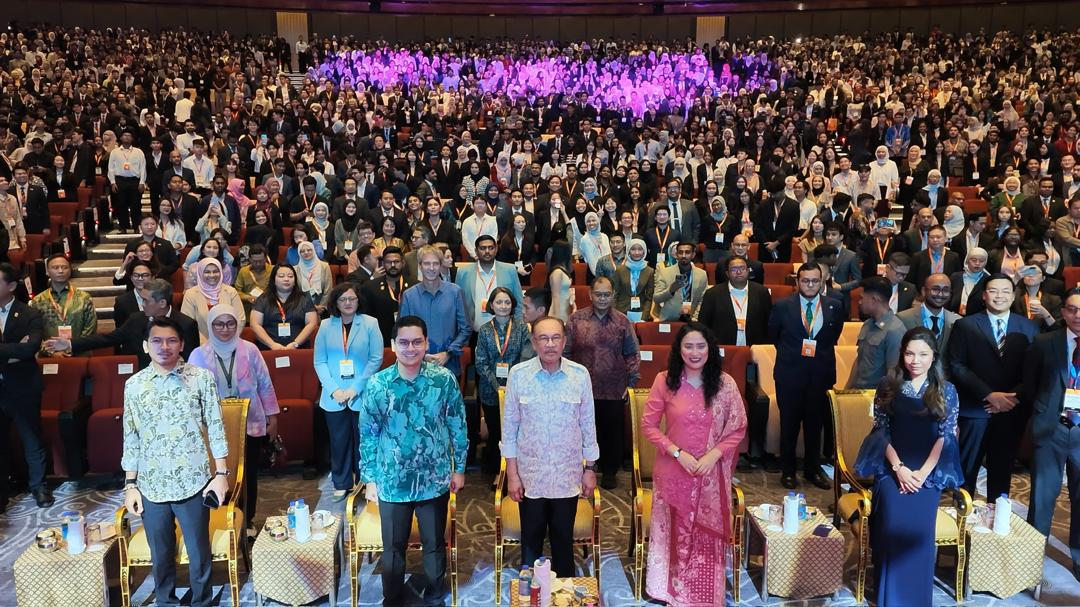
(吉隆坡3日讯)2026年青年经济论坛(YEF 2026)今日回到吉隆坡会展中心(KLCC)举行,预计吸引近4000名青年及年轻专业人士参与,围绕马来西亚未来十年的经济方向展开讨论。适逢论坛成立10周年,本届活动汇聚青年、政策制定者、企业领袖、学者及社会创新者,并获得超过30个企业、青年、媒体及社区伙伴支持。 YEF 2026由 Perdana Fellows Alumni Association(PFAA)主办,支持单位包括Moomoo、国家能源(TNB)、Gamuda、马来西亚青年理事会(MBM)及马来西亚广播电视台(RTM)等。 安华预计下午3时主持开幕 论坛开幕主题演讲将由投资、贸易及工业部长拿督斯里佐哈里发表。全天活动也安排多场政府及企业领袖对话,讨论人工智能、能源转型、人才发展及社会保障等课题。 首相拿督斯里安华预计于下午3时主持YEF 2026特别仪式,并接收YEF 2026政策白皮书。 其他参与的政府及国家领导人包括数码部长哥宾星、青年及体育部长莫哈末陶菲克,以及雪兰莪州务大臣阿米鲁丁。 主办方表示,政策白皮书将汇集超过2000名调查受访者、青年领袖、焦点小组及政策圆桌会议的意见,内容涵盖人工智能普及、绿色创业、技能发展、外资带动本地经济、公共服务改善,以及青年参与经济政策制定。 论坛聚焦4大经济支柱 本届论坛主题为“解码下一个十年:推进马来西亚经济新边疆”(Decoding the Next Decade: Advancing Malaysia’s Economic Frontier),讨论围绕数码与人工智能、绿色及可持续能源、马来西亚人才,以及社会保障4大支柱展开。 主办方希望通过4项议题,探讨马来西亚如何开拓新的经济增长空间,同时确保经济发展能够转化为更好的就业机会、生计条件及社会福祉。 数码与人工智能:提升生产力 第一项支柱关注人工智能如何重新塑造经济引擎。 相关讨论将探讨人工智能如何应用于现有行业、供应链及日常营运,以提高生产力。同时,网络安全、治理机制及公众信任,也将成为人工智能普及过程中必须处理的问题。 绿色能源:兼顾可靠、可负担与永续 第二项支柱聚焦绿色及可持续能源。 论坛将讨论马来西亚未来十年的能源组合,包括如何在电力供应可靠性、能源价格可负担性及环境永续之间取得平衡。议题也涉及更多能源技术、加强电网基础设施及持续吸引投资。 人才发展:从教育走向高价值工作 第三项支柱聚焦人才发展及技能提升。 论坛将讨论能力建设、终身学习,以及教育体系与雇主之间更紧密的联系,协助马来西亚人应对新兴产业的就业需求,并逐步进入更高价值的工作领域。 社会保障:从经济增长走向全民繁荣 第四项支柱则讨论社会保障及经济发展成果如何惠及人民。 相关会议将探讨经济增长是否能够转化为更强的家庭保障、社会流动机会及基本服务,并关注受到经济转型影响的群体。 聚焦青年成为未来创业者与创新者 本届论坛也安排特别领导演讲,由东姑扎夫鲁主讲“下一代优势:推动青年成为新一代冠军”。 演讲将聚焦如何协助年轻人成为未来的创办人、创新者及行业领袖。 此外,欧盟驻马来西亚大使拉斐尔达尔也将参与炉边对话,主题为“把伙伴关系落实于实践:建立可信赖的数码生态系统”,讨论政府、企业及学术界之间的国际合作。 PFAA主席范妮莎雅拉表示,YEF成立10周年,反映组织持续推动青年直接参与国家未来讨论的承诺。 根据PFAA资料,YEF过去多届活动累计吸引超过6900名参与者,邀请超过210名杰出演讲者,并与超过90个伙伴建立合作关系。 SOMO观察 YEF迈入第10届,参与人数及合作伙伴规模持续扩大,显示青年经济议题已从一般交流活动,逐步进入企业与政策讨论的核心。人工智能将影响企业生产力及人才结构,能源转型则关系到营运成本、供应链和长期投资;教育与就业之间的衔接,也会直接影响企业招聘及员工技能。对企业界而言,YEF所讨论的并不是抽象的未来议题,而是接下来十年可能改变商业模式、投资方向及人才竞争的现实因素。若政策制定者能够把论坛讨论转化为具体措施,青年参与将更有机会对经济发展产生实际影响。 YEF 10周年所提出的核心问题,是马来西亚如何在推动经济增长的同时,让更多人民和企业参与并受惠。   NEARLY 4,000 YOUTH CONVERGE AT KLCC FOR YOUTH ECONOMIC FORUM 2026 AS PLATFORM MARKS 10TH ANNIVERSARY KUALA LUMPUR, 3 OCTOBER 2026 – Marking its 10th anniversary, the Youth Economic Forum (YEF) 2026 returns to the Kuala Lumpur Convention Centre (KLCC) as one of Malaysia’s prominent youth-led economic platforms, convening young Malaysians, policymakers, industry leaders, academics and changemakers to discuss the country’s economic direction for the next decade. Organised by the Perdana Fellows Alumni Association (PFAA), the forum is expected to welcome nearly 4,000 youth and young professionals and is supported by more than 30 partners from the corporate, youth, media and community sectors, including Moomoo, Tenaga Nasional Berhad (TNB), Gamuda, Majlis Belia Malaysia (MBM) and Radio Televisyen Malaysia (RTM). The forum will begin with an Opening Keynote Address by YB Datuk Seri Johari bin Abdul Ghani, Minister of Investment, Trade and Industry, before a full-day programme featuring senior government leaders and industry figures. YAB Dato' Seri Anwar Ibrahim, Prime Minister of Malaysia, is scheduled to officiate YEF 2026 at 3.00 pm, during a special ceremony that will also feature the presentation and handover of the YEF 2026 Policy Paper to him. The programme also features YB Tuan Gobind Singh Deo, Minister of Digital; YB Dr. Mohammed Taufiq Johari, Minister of Youth and Sports; YAB Dato' Seri Amirudin bin Shari, Dato' Menteri Besar Selangor; and other senior national and industry leaders. Carrying the theme "Decoding the Next Decade: Advancing Malaysia's Economic Frontier", YEF 2026 centres its discussions on four interconnected pillars - Digital & AI, Green & Sustainable Energy, Malaysia Talent and Social Protection- examining how Malaysia can unlock new areas of economic growth while ensuring that progress translates into stronger opportunities, livelihoods and wellbeing for Malaysians. The programme will also feature a Special Leadership Address by YM Tengku Datuk Seri Utama Zafrul Tengku Abdul Aziz, titled “The Next Generation Advantage: Powering Youth into New Champions”, focusing on empowering young Malaysians to become future founders, innovators and industry leaders, alongside a fireside chat with His Excellency Rafael Daerr, Ambassador of the European Union to Malaysia, titled “Putting Partnership into Practice: Building Trusted Digital Ecosystems”, which will explore international cooperation and collaboration between government, industry and academia. The President of PFAA, Puan Fanitsyara Kam Phon, said the 10th anniversary edition of YEF reflects the organisation's commitment to bringing young Malaysians directly into conversations with policymakers, industry and other key stakeholders shaping the country's Future. Across its previous editions, YEF has recorded a cumulative participation of more than 6,900 attendees, featured more than 210 prominent speakers and established collaborations with more than 90 partners, reflecting the platform's growth as a youth-led space for constructive economic discourse.   Four Pillar Debates Connecting National Growth with Daily Life Pillar 1 – Digital & AI: Reinventing the Economic Engine in the Age of Embedded Intelligence The discussion will examine how AI can raise productivity across existing industries, supply chains and day-to-day operations, while strengthening cybersecurity, governance and public trust. Pillar 2 – Green & Sustainable Energy: Fifty Shades of Green Energy The panel will consider how to redesign the national power mix for the decade ahead, balancing reliability, affordability and sustainability through a broader range of technologies, stronger grid infrastructure and sustained investment. Pillar 3 – Malaysia Talent: From Education to Employability to Economic Advantage — Malaysia’s Talent Reset The focus is on capability-building, lifelong learning and closer links between education and employers, so that Malaysians can prepare for emerging industries and progress into higher-value work. Pillar 4 – Social: From Gross Domestic Product to Gross Domestic Prosperity — Reframing Growth for Every Rakyat This session will examine whether growth is translating into stronger household security, social mobility and access to essential services, including protection for those affected by economic transition. From a National Conversation to Youth-Led Recommendations The forum will consolidate insights from more than 2,000 survey respondents, youth leaders, focus group discussions and policy roundtables with the Ministry of Finance and Ministry of Digital. Six proposed resolutions cover AI access, green entrepreneurship, skills development, local benefits from foreign investment, public-service improvements and permanent youth participation in economic policymaking.
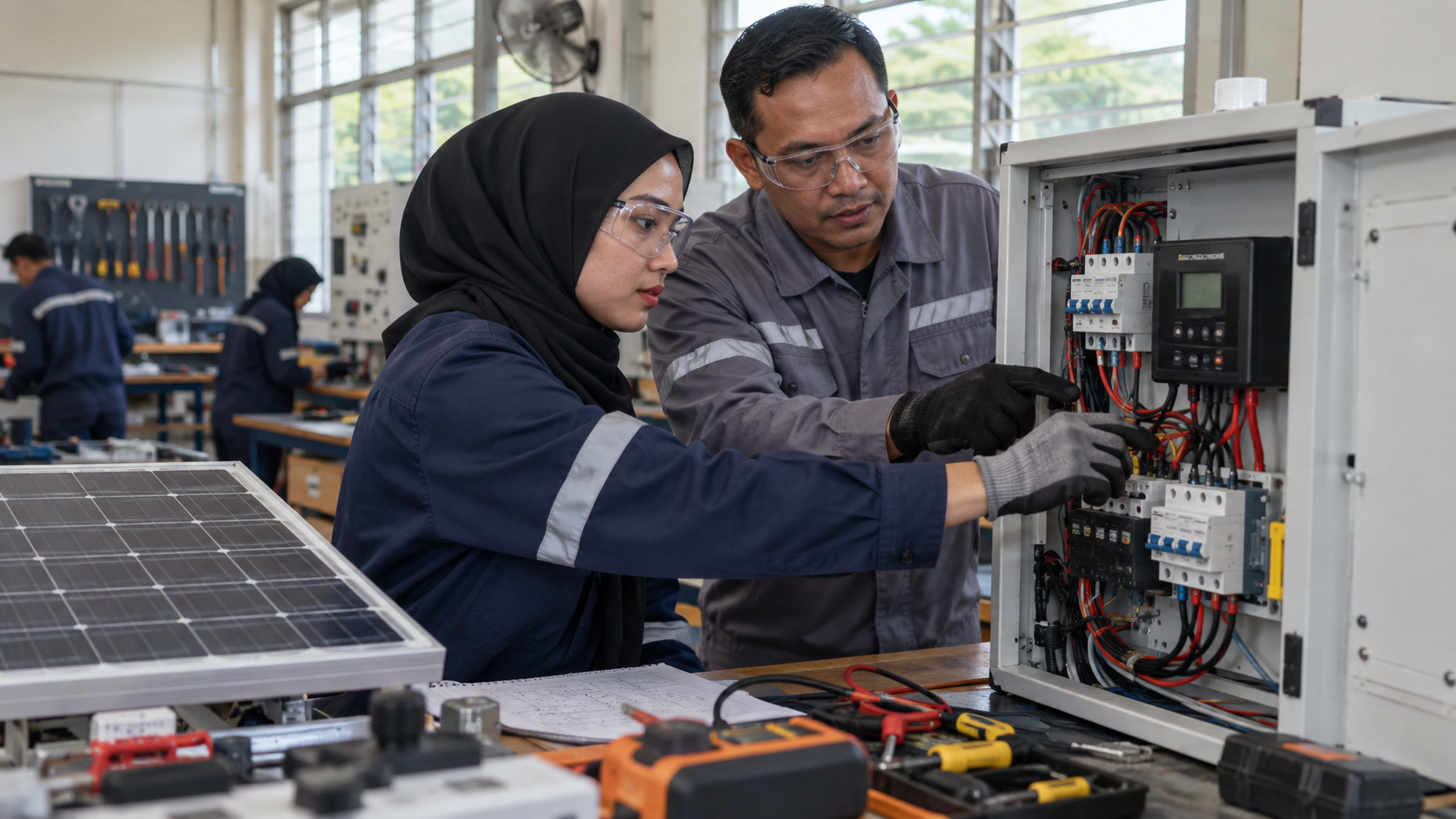
马来西亚TVET学员在导师指导下进行太阳能电气设备实训
马来西亚领衔东盟绿色就业议程:企业未来四年该补什么人才缺口?
首相拿督斯里安华9月23日在上海世界技能大会表示,马来西亚获委领导2026至2030年东盟区域绿色就业议程,协助区域劳动力为更绿色的经济做好准备。这项角色若能转化为共同技能标准、培训路径与行业合作,将直接影响企业未来招聘、员工升级和跨境项目的人才配置。绿色就业不只等于太阳能工程师或环境顾问。制造业的能源管理、建筑节能、碳数据、设备维护、供应链追踪、废料管理、绿色融资与合规岗位,都需要传统职能加入新能力。世界技能大会也把绿色转型视为跨部门议题,强调教育、劳工、产业、环境和财政政策必须协调,否则培训内容容易追不上真实岗位。人才缺口将成为投资执行问题世界银行今年4月的《马来西亚经济监测》指出,绿色工作目前约占我国就业的4%,但通常需要更高技能,薪资也高于非绿色工作。马来西亚同时是全球第三大太阳能光伏相关产品出口国,并在2017至2021年贡献东南亚超过一半的绿色技术专利。这说明我国并非没有产业基础,真正瓶颈可能是技术员、工程师、中层主管和培训体系能否跟上投资扩张。对企业而言,招聘不到合适人才会拖慢设备投产、认证、节能改造和客户交付,也可能提高外包成本。出口商面对的压力尤其明显:国际客户要求的碳披露、可追溯性和供应商改善,最终都必须由采购、生产、财务及人力资源团队共同执行,而不是交给单一永续部门。企业现在可以做什么第一,按岗位而非口号盘点技能。企业可列出未来两年可能受能源效率、自动化、碳管理或客户合规影响的岗位,再识别现有人才缺口。第二,把培训与实际项目绑定,例如让维修团队参与节能设备改造,让采购团队建立供应商数据流程,让财务团队理解绿色投资回报与融资条件。第三,与TVET院校及行业机构共同设计短期课程、实习和学徒计划。企业若只等待毕业生具备完整能力,供需错配仍会持续。第四,为中小供应商保留培训资源;大型企业的绿色要求若只下达指标、没有方法与工具,供应链很难同步升级。接下来值得观察未来四年应关注三项落实指标:东盟是否建立可互认的绿色技能或微证书、马来西亚培训项目是否与企业岗位需求挂钩,以及绿色岗位占总就业的比重能否明显高于目前约4%。区域议程的价值,不在于增加另一套宣言,而在于能否把产业投资变成更高生产力、更高工资和可持续的本地职业路径。资料来源Malay Mail/马新社:马来西亚领导东盟2026–2030绿色就业议程WorldSkills Conference 2026:TVET与绿色转型世界银行:Malaysia Economic Monitor,2026年4月
中小企业公会全国青年团携手泰莱大学与拉曼大学签署MOU,推动产学合作建立企业人才对接平台
(吉隆坡27日讯)马来西亚中小企业公会全国青年团于今日晚间举行的年度旗舰活动Trailblazer's Night 7.0上,分别与泰莱大学(Taylor's University)及拉曼大学(UTAR)正式签署合作备忘录(MOU),携手推动产学合作,加强大学与中小企业之间的联系,为青年人才创造更多实践学习、职业发展及创新创业机会。 三方签约:黄淑洁、卜慧芳、温美珊正式见证合作 签约仪式上,拉曼大学由会计与管理学院院长卜慧芳博士代表签署,泰莱大学由企业孵化中心代理总监温美珊代表签署,马来西亚中小企业公会全国青年团则由署理主席兼大学计划负责人黄淑洁博士代表签署。全国总会长陈棋雄博士等嘉宾出席见证,三方正式建立合作伙伴关系。 黄淑洁:企业要求已转向实践能力与解决问题能力 马来西亚中小企业公会全国青年团署理主席兼大学计划负责人黄淑洁博士表示,随着产业环境不断变化,企业对人才的要求已不再局限于学术成绩,而是更加重视实践能力、解决问题能力及团队协作精神。 她指出,青年团希望透过与高等学府建立长期合作关系,把企业资源带进校园,让学生在毕业前便能了解真实产业环境,缩短校园与职场之间的距离。 “此次与泰莱大学及拉曼大学签署合作备忘录,不仅是一项合作协议,更希望建立长期、持续且具实质成果的产学合作机制,为学生创造更多学习与成长机会,同时协助企业建立更完善的人才发展管道。” 四大合作项目:招聘专区、产业实践、创业导师、企业参访 根据合作规划,全国青年团未来将重点推动四大合作项目: 在校园招聘会设立中小企业专区,为学生提供更多优质就业机会,同时协助企业发掘优秀青年人才;与大学共同推动产业实践计划,安排企业家走进校园分享实战经验及商业案例;参与大学创业竞赛及商业模拟活动,担任评审及企业导师,培养学生创新思维及创业能力;以及安排企业参访活动,让学生深入了解企业营运模式、管理文化及产业发展趋势,提升实践能力及就业竞争力。 青年团将持续扩大与国内外高校合作 黄淑洁博士表示,全国青年团未来也将持续扩大与更多国内外高等学府的合作,结合教育资源、企业资源及青年力量,建立长期且具影响力的产学合作平台,推动更多大学与企业之间的交流合作。 她强调,青年团希望继续发挥桥梁角色,不仅协助学生提升竞争力,也帮助企业提早接触及培育优秀人才,为马来西亚中小企业发展培育更多具国际视野及实践能力的新生代人才。 [caption id="attachment_9176" align="aligncenter" width="1080"] 郑毓璋、陈棋雄、麦靳舒见证黄淑洁和卜慧芳签署合作备忘录。[/caption] [caption id="attachment_9177" align="aligncenter" width="1080"] 郑毓璋、陈棋雄、麦靳舒见证黄淑洁和温美珊签署合作备忘录。[/caption]