青年之声提六项政策建议予数字部长 聚焦AI与绿色经济迎战YEF 2026与2027预算案
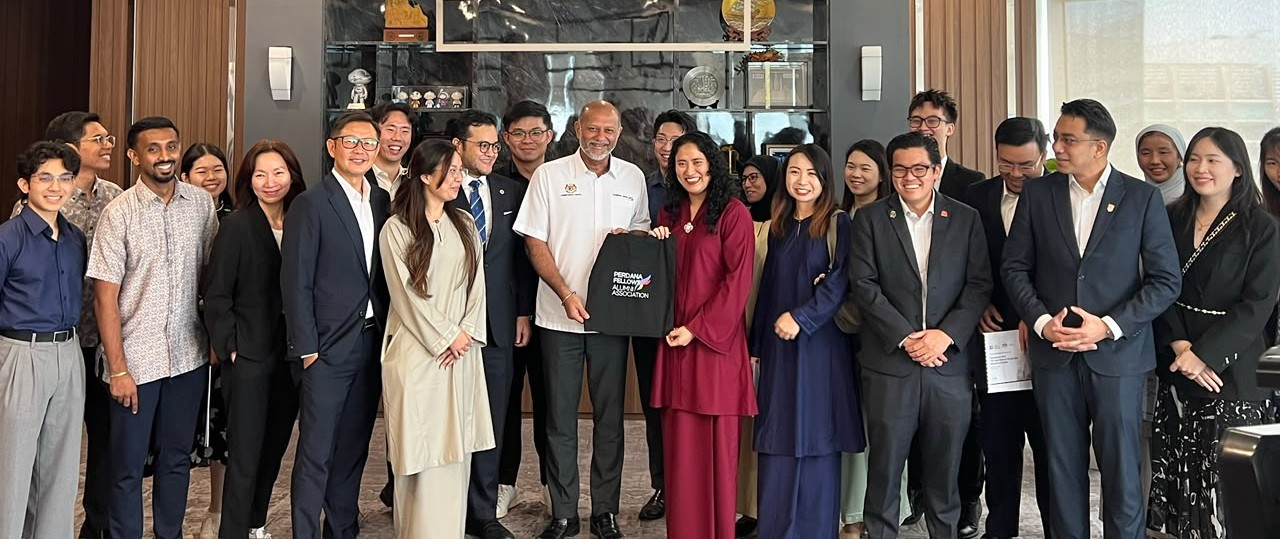
(吉隆坡8日讯)一场由首相青年才俊校友会(PFAA)主办的圆桌会议今日在财政部大厦(Menara MOF Inc)举行,近20名青年代表、业界人士与政策制定者与数字部长YB拿督哥宾星(Gobind Singh Deo)会面,提出六项聚焦人工智能(AI)与绿色经济的政策建议,为即将于10月3日在吉隆坡会展中心(KLCC)举行的第十届青年经济论坛(YEF 2026)及2027年财政预算案做准备。
[caption id="attachment_9868" align="aligncenter" width="585"] 首相青年才俊校友会(PFAA)与数字部长YB拿督宾哥宾星今日(9月8日)在财政部大厦(Menara MOF Inc)就六项青年经济政策建议展开讨论。[/caption]
会议背景:延续与财政部的政策对话
此次会议是继今年8月14日青年代表与财政部副部长YB刘镇东就宏观经济议题会谈之后的延续。PFAA会长范妮莎(Fanitsyara Kam Phon)表示,此前的对话聚焦经济大局,而这次与数字部的会谈则是要探讨数字与AI政策如何具体转化为民众可感受到的机遇。她强调,大马青年需要的不仅是使用科技的能力,更要具备从中创造价值的技能与生态系统。
与会阵容:涵盖官方、企业与学界代表
会议汇聚了PFAA、YEF筹委会、产业代表与青年领袖,其中包括Moomoo证券马来西亚(Moomoo Malaysia)与YEF 2026主要赞助商金务大集团(Gamuda Berhad)的代表,以及马来西亚青年理事会(MBM)和马来西亚国民大学学生会(KMUKM)的学生代表。多元阵容的参与,也反映此次政策建议并非闭门造车,而是纳入了企业界与在籍学生的第一手观点。
六项建议详解:从AI普及到国家级青年经济理事会
会议提出的六项建议涵盖面广泛。第一项建议主张扩大AI在中小企业与传统行业中的应用,以提升生产力并增强大马整体经济竞争力;第二项则提出设立“绿色经济准入基金”,通过改善技能培训、融资渠道与市场准入,让青年得以参与绿色经济价值链。
第三项建议聚焦人力资本,提出建立可累积组合的模块化证书体系,让在职人士能够逐步迈向专业资格或硕士学位。第四项则将外国直接投资(FDI)与本地人才培养挂钩,要求外资企业与教育机构合作设计课程、进行技能转移,并为本地供应商创造商机。
第五项建议延续大马近年公共服务数字化的方向,主张在教育、医疗与政府事务中运用AI,缩短民众等待时间;第六项则是制度性建议,呼吁设立“国家青年经济行动理事会”,作为青年长期参与经济政策制定的常设平台,确保建议能获得明确反馈,而非一次性咨询。
呼应YEF 2026四大主题支柱
这六项建议与YEF 2026“解码下一个十年:推进马来西亚经济前沿”的主题高度呼应,该论坛今年迈入第十届,设有数字(Digital)、绿色(Green)、人才(Talent)与社会(Social)四大支柱,强调运用AI转型传统产业、平衡绿色增长、持续技能提升,以及通过收入增长与生活成本管理增强社会包容性。
下一步:提交YEF 2026前的最后打磨
据PFAA透露,这六项建议目前仍处于打磨阶段,将在10月3日的YEF 2026正式提出之前进一步完善,目标是将青年的政策倡议转化为具体可执行、且能让民众实际受惠的政策措施,同时也为即将出炉的2027年财政预算案提供青年视角的输入。
SOMO观察
这份由青年团体主导的政策建议清单,对关注人力资本与产业升级的华商而言值得留意。
“绿色经济准入基金”与“AI普及”建议若落实为具体拨款项目,中小企业尤其是传统制造与贸易行业可提前评估申请资格。
“FDI与人才挂钩”的建议若被纳入2027年预算案,外资合作项目中本地供应商与培训机构的角色可能被赋予更明确的政策地位,企业可提早布局相关合作关系。
建议目前仍停留在倡议阶段,尚未成为正式政策,商界应持续关注YEF 2026及预算案公布后的具体细节,而非依据此阶段的建议直接调整经营决策。
(KUALA LUMPUR, Sept 8) A roundtable discussion organized by the Perdana Fellows Alumni Association (PFAA) was held today at Menara MOF Inc, bringing together nearly 20 youth representatives, industry figures, and policymakers with Digital Minister YB Gobind Singh Deo. The session produced six policy proposals centered on artificial intelligence (AI) and the green economy, aimed at informing the 10th Youth Economic Forum (YEF 2026), to be held October 3 at the Kuala Lumpur Convention Centre (KLCC), as well as the 2027 national budget.
[caption id="attachment_9868" align="aligncenter" width="635"] The Perdana Fellows Alumni Association (PFAA) and Digital Minister YB Gobind Singh Deo held discussions today (September 8) at Menara MOF Inc on six youth economic policy proposals.[/caption]
Background: Continuing the Dialogue with the Finance Ministry
Today's session follows an earlier discussion on August 14 between youth representatives and Deputy Finance Minister YB Liew Chin Tong. PFAA President Fanitsyara Kam Phon said that while the earlier conversation focused on the broader economic picture, this meeting with the Digital Ministry aimed to explore how digital and AI policy can translate into concrete opportunities for the public. She emphasized that Malaysian youth need not just the skills to use technology, but the capability and ecosystem to create value from it.
Attendees: A Mix of Government, Corporate, and Academic Voices
The roundtable brought together representatives from PFAA, the YEF organizing committee, industry, and youth leaders, including delegates from Moomoo Securities Malaysia and YEF 2026's principal sponsor Gamuda Berhad, alongside representatives from the Malaysian Youth Council (MBM) and a student delegate from the National University of Malaysia's student union (KMUKM). This diverse lineup suggests the proposals were shaped with direct input from both the corporate sector and current students, rather than being drafted in isolation.
The Six Proposals: From AI Access to a National Youth Economic Council
The six proposals span a wide range of areas. The first calls for expanding AI adoption among SMEs and traditional industries to boost productivity and strengthen Malaysia's overall economic competitiveness. The second proposes a "Green Economy Access Fund" to help young people build businesses and participate in green economy value chains through improved access to skills training, financing, and markets.
The third proposal focuses on human capital, calling for a system of stackable, modular certifications that would allow working professionals to progressively work toward professional qualifications or postgraduate degrees. The fourth links foreign direct investment (FDI) to local talent development, requiring foreign companies to collaborate with educational institutions on curriculum design and skills transfer, while creating opportunities for local suppliers.
The fifth proposal continues Malaysia's recent push toward digitizing public services, advocating for AI use in education, healthcare, and government administration to reduce waiting times for citizens. The sixth is a structural proposal calling for the establishment of a "National Youth Economic Action Council" — a standing platform for ongoing youth participation in economic policymaking, ensuring proposals receive clear feedback rather than being treated as one-off consultations.
Aligning with YEF 2026's Four Thematic Pillars
These six proposals closely align with YEF 2026's theme, "Decoding the Next Decade: Advancing Malaysia's Economic Frontier." Now in its 10th edition, the forum is structured around four pillars — Digital, Green, Talent, and Social — emphasizing the use of AI to transform traditional industries, balanced green growth, continuous upskilling, and strengthening social inclusion through income growth and cost-of-living management.
What's Next: Final Refinement Before YEF 2026
According to PFAA, the six proposals remain in a refinement phase and will be further developed before being formally presented at YEF 2026 on October 3. The goal is to translate youth policy advocacy into concrete, actionable measures that deliver tangible benefits to the public, while also feeding a youth perspective into the forthcoming 2027 national budget.
SOMO Commentary
This youth-led policy wish list is worth watching for Chinese business circles focused on human capital and industrial upgrading.
If the "Green Economy Access Fund" and "AI access" proposals translate into concrete funding programs, SMEs — particularly in traditional manufacturing and trade — should start assessing their eligibility early.
If the FDI-talent linkage proposal is incorporated into the 2027 budget, local suppliers and training institutions involved in foreign investment partnerships may gain clearer policy standing, giving businesses an opening to position early for related collaborations.
These proposals remain at the advocacy stage and are not yet formal policy — businesses should continue monitoring the specifics that emerge from YEF 2026 and the budget announcement, rather than adjusting operational decisions based on this stage alone.