安华接收6项青年政策建议 逾2000名大马青年参与制定
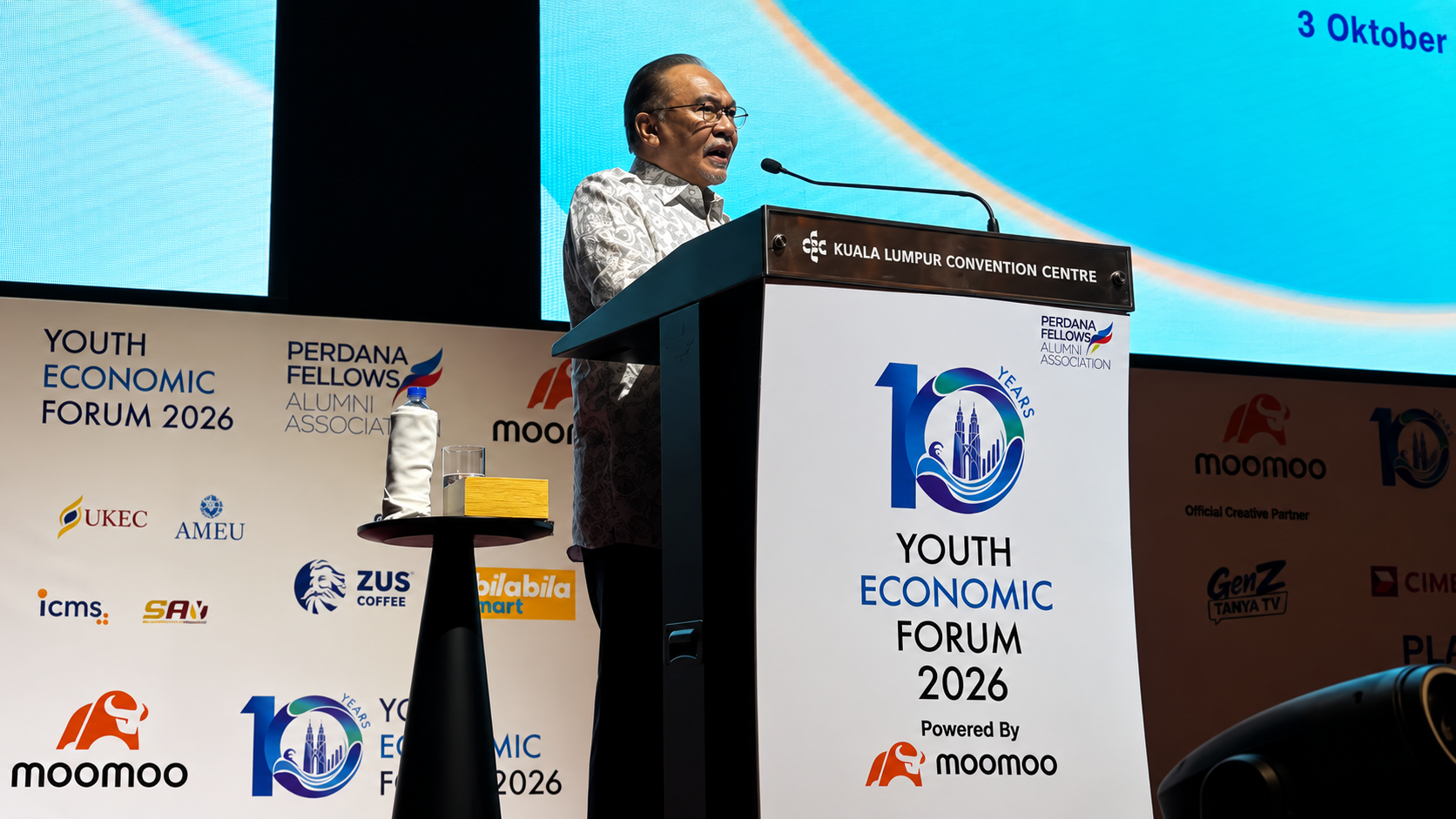
(吉隆坡10月3日讯)首相拿督斯里安华今日在2026年青年经济论坛(YEF 2026)接收6项青年主导的政策建议。这些建议由全国超过2000名青年参与制定,内容涵盖人工智能、绿色创业、技能培训、外资效益、公共服务及青年参与经济政策。
这项政策建设工作由 Perdana Fellows Alumni Association(PFAA)推动,并通过全国调查、青年圆桌会议及焦点小组讨论收集意见。过程中,至少42名青年领袖及70名青年参与深入交流,相关建议随后也与财政及数码事务相关部门展开讨论。
PFAA强调,这6项建议只是提交政府考虑的政策推荐,并不代表政府已经宣布或落实相关措施。
聚焦人工智能与绿色经济
第一项建议是“AI for Every Business, Every Malaysian”,建议通过企业税务豁免,鼓励企业采用有助提升生产力的人工智能工具,同时为年轻人提供折扣人工智能订阅服务,以降低中小企业及传统行业采用人工智能的成本。
第二项建议是设立“绿色经济准入基金”,结合绿色技能认证、无需抵押的概念验证补助及政府采购机会,协助青年进入绿色能源供应链。
第三项建议是推出“全国青年技能提升信贷”,让获得认可的累积式微证书,逐步衔接专业资格、大学学位或研究生课程,特别是数码及绿色技能领域。
有关安排可让在职人士在不离开工作岗位的情况下继续进修,协助企业应对科技转型及技能需求变化。
提高外资对本地企业的带动作用
第四项建议是制定“全国外国直接投资任务”,把大型外资项目与本地大学课程合作、培训伙伴关系、技能转移及向马来西亚供应商采购等条件联系起来。
相关建议旨在提高外资项目对本地人才培养及供应链发展的贡献,让外资进入马来西亚后,不只带来资金,也能协助加强本地企业和人才能力。
第五项建议是利用人工智能推动公共服务转型,优先改善教育、医疗及政府行政服务,包括缩短等候时间、简化申请程序,以及让公众更容易获得政府服务。
建议设立全国青年经济行动理事会
第六项建议是设立“全国青年经济行动理事会”,作为长期及具包容性的青年经济政策参与平台。
有关理事会建议纳入来自各州的青年代表,并建立明确机制,将青年意见提交至国家经济决策层面。
PFAA认为,青年参与不应只限于一次性的论坛或咨询活动,而应成为经济政策制定过程中的持续机制。
SOMO观察
这6项建议覆盖企业数码化、绿色创业、人才培训、外资政策及公共服务,反映青年关注的不只是就业机会,也包括企业竞争力、技能转换及经济参与渠道。对企业界而言,人工智能普及、绿色供应链及外资带动本地供应商,将影响未来的人才需求、投资方向和营运模式。由于有关建议目前仍属于政策推荐,后续能否落实,取决于政府的政策评估、财政资源及执行机制。
这些建议为政府、企业与青年之间的政策对话提供了具体框架,接下来关键在于相关意见能否进入正式政策评估阶段。
PRIME MINISTER RECEIVES SIX YOUTH-LED POLICY PROPOSALS AT YEF 2026, SHAPED BY MORE THAN 2,000 YOUTH VOICES NATIONWIDE
KUALA LUMPUR, 3 OCTOBER 2026 – Prime Minister YAB Dato’ Seri Anwar Ibrahim received six youth-led policy proposals at the Youth Economic Forum (YEF) 2026, reflecting the views and aspirations gathered through a nationwide policy-building process involving young Malaysians from across the country.
Developed by the Perdana Fellows Alumni Association (PFAA), the proposals were informed by a nationwide survey involving more than 2,000 respondents from every Malaysian state and federal territory, followed by deeper engagements involving at least 42 youth leaders and 70 young Malaysians through a youth roundtable and focus group discussions.
The recommendations were further discussed through policy roundtables with the finance and digital portfolios, including engagements with Deputy Minister of Finance YB Tuan Liew Chin Tong and Minister of Digital YB Tuan Gobind Singh Deo, providing an avenue to test and refine the proposals before their presentation at YEF 2026.
The six proposals focus on widening access to artificial intelligence, green entrepreneurship and skills development, strengthening benefits from foreign investment, improving public-service delivery and establishing a permanent platform for youth participation in economic policymaking.
Together, the recommendations reflect three broader priorities: raising the ceiling through AI and green growth, raising the floor through skills and economic opportunities, and driving reform through better public services and meaningful youth participation.
The policy-building initiative reflects YEF’s wider objective of connecting youth perspectives with policymakers, industry and institutions, and translating discussions into practical recommendations that can contribute to Malaysia’s economic development.
Six Youth-Led Policy Proposals for the YEF 2026 Policy Paper
Together, the six proposals follow three connected priorities: raising the ceiling through AI and green growth; raising the floor through skills and economic opportunity; and strengthening the enablers through improved public services and meaningful youth participation. They are recommendations submitted for consideration, and do not represent announced government measures.
Proposal 1: AI for Every Business, Every Malaysian
Corporate tax exemptions for productivity-enhancing AI adoption, alongside discounted premium AI subscriptions for young Malaysians, to make adoption more practical and affordable for small and medium enterprises and traditional sectors.
Proposal 2: Green Economy Access Fund
Combining green-skills certification, collateral-free proof-of-concept grants and procurement opportunities to help young Malaysians establish and scale businesses across the green-energy supply chain through improved access to skills, financing and markets.
Proposal 3: National Youth Upskill Credit
Enabling recognised stackable micro-credentials to accumulate towards professional qualifications, degrees or postgraduate pathways, with particular emphasis on digital and green skills, so that Malaysians can upskill while remaining in employment.
Proposal 4: National Foreign Direct Investment Mandate
Linking major foreign investments to curriculum and training partnerships with local universities, skills transfer and sourcing from Malaysian suppliers, thereby strengthening domestic talent and supply chains.
Proposal 5: AI for Public Service Delivery Transformation
Prioritising measurable improvements in education, healthcare and government administration, including shorter waiting times, simpler application processing and more accessible services for the public.
Proposal 6: National Youth Economic Action Council (Majlis Tindakan Ekonomi Belia Negara)
Establishing a permanent and inclusive platform for youth participation in economic policymaking, with representation across all states and a clear route for youth input to inform national decisions.