


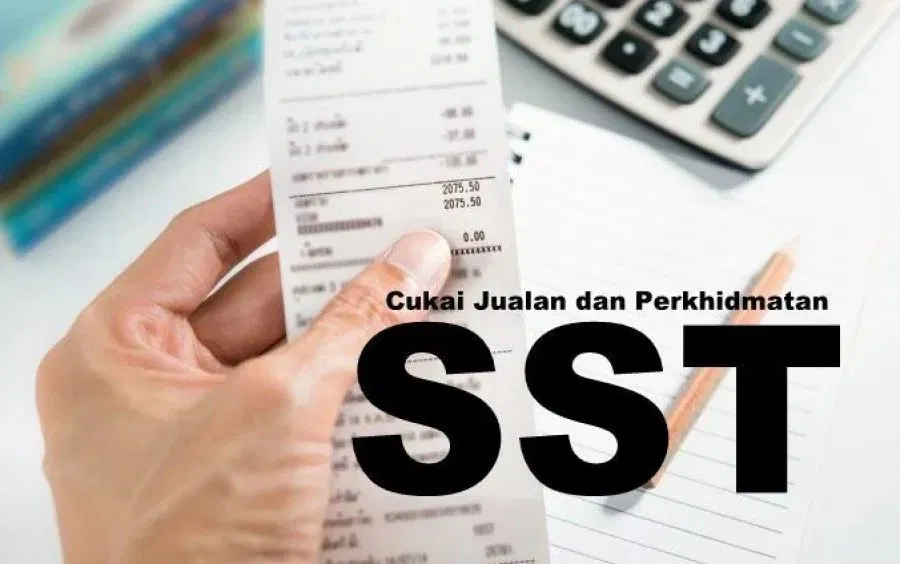
(吉隆坡13日讯)大马购物中心协会(PPK)今日发文告指出,我国零售业当前正处于成本持续上扬和外部竞争日益加剧的双重压力下,如果政府贸然扩大销售与服务税(SST)的课征范围,将可能危及商业永续性及市场信心。
PPK强调,今年以来我国零售业成本上涨显著,包括电价调涨、产业评估税上涨约25%、职业安全与卫生局执照费更是出现高达600%的增幅。此外,从2025年2月起,最低薪资提高至每月1700令吉,进一步加剧企业运营负担。协会认为,零售商被迫吸收这些额外成本,或者将成本转嫁给消费者,这两种情况都会加剧通货膨胀并抑制消费意愿,最终伤害整个零售生态圈的稳定与成长。
除了国内成本压力之外,国际市场环境也进一步冲击本地零售商的经营。文告指出,美国主导的关税战,导致大量货物转入马来西亚市场,以低廉价格销售,严重侵蚀本地零售商利润。同时,以中国为代表的外国电商平台利用不受监管的价格优势,通过低价倾销对本土实体零售商构成不公平竞争,加剧实体店的经营难度。
针对财政部第二财长拿督斯里阿米尔韩沙早前宣布将从今年7月1日起扩大销售与服务税课征范围,涉及租赁、建筑、金融、私人医疗保健、教育、美容等领域,PPK呼吁政府暂缓实施此政策,建议延后到2026年大马旅游年后再逐步落实。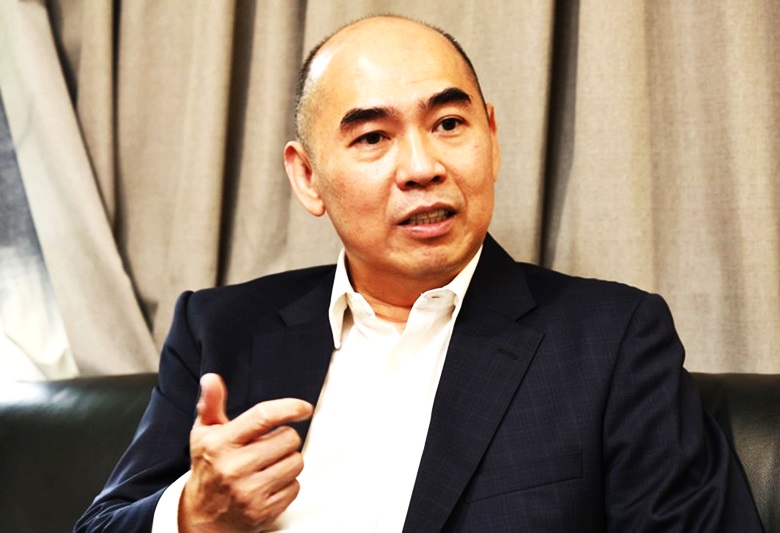
协会提出具体建议,包括在初始阶段先征收较低的3%税率,并在五年内逐步调升至8%,同时建议将购物中心公共区域运营的服务费排除在征税范围之外。此外,协会还建议政府提高销售税免征门槛,将年营业额低于200万令吉的中小企业豁免于税务扩征,以保护中小企业免受额外经济冲击。
大马购物中心协会表示,他们理解政府在提升财政收入上的考量,但在当前市场环境下,必须以更灵活且渐进的方式推进税制调整,同时积极与产业进行充分协商,以确保相关措施不会伤害本地商业的韧性与整体经济的稳定。
大马中华总商会(ACCCIM)与大马制造商联合会(FMM)也表达了类似看法,认为贸然扩大SST课征范围将进一步推升运营成本,导致商业环境恶化,并敦促政府先进行更详尽的影响评估。大马建造商公会(MBAM)则提出,若实施扩征,应从2026年起适用于新签署的工程合同,避免对现有工程造成经济压力。
面对经济前景仍充满不确定性的当下,各大商会与产业协会一致呼吁政府采取更加审慎的做法,通过政策微调与产业界密切协作,维护我国经济的长期韧性与稳定发展。
Rising Retail Costs Prompt Shopping Mall Association to Urge Delay in SST Expansion
(Kuala Lumpur, June 13) – The Malaysia Shopping Malls Association (PPK) today urged the government to delay the planned expansion of the Sales and Service Tax (SST), citing escalating costs and increasing competitive pressures that threaten the sustainability and confidence of the retail industry.
In a statement issued today, PPK highlighted that Malaysia’s retail sector is currently experiencing significant increases in operational expenses. These include higher electricity tariffs, property assessment rate hikes averaging around 25%, and Occupational Safety and Health (OSH) licensing fees surging by as much as 600%. Additionally, the minimum wage increase to RM1,700 per month effective from February 2025 has further intensified financial burdens on businesses. The association warned that retailers, forced either to absorb these additional costs or pass them onto consumers, would consequently exacerbate inflationary pressures and dampen consumer spending, damaging the stability and growth prospects of the retail sector.
External pressures, notably the ongoing trade disputes involving the United States, have further complicated matters by diverting excess inventory into Malaysia, thereby depressing local market prices and eroding profits for domestic retailers. Unregulated foreign e-commerce platforms, particularly from China, were also cited as contributing to unfair competition by dumping goods at significantly lower prices, making it difficult for physical retail stores to compete effectively.
PPK’s statement was in direct response to Second Finance Minister Datuk Seri Amir Hamzah’s earlier announcement that, effective July 1 this year, the government plans to expand the SST’s scope to cover additional sectors, including rental, construction, finance, private healthcare, education, and beauty services. The association strongly recommended postponing this policy until after Malaysia’s designated Tourism Year in 2026, suggesting a gradual and phased approach instead.
Specifically, the association proposed implementing an initial lower SST rate of 3%, with a gradual increase to 8% over five years. They further recommended excluding service charges related to the operation and maintenance of common mall areas from taxation. Additionally, PPK advised raising the exemption threshold for sales tax to businesses with annual turnover below RM2 million, aiming to protect small and medium-sized enterprises from economic strain.
PPK emphasized its understanding of the government’s objectives to bolster fiscal revenues but urged careful coordination with industry conditions. It called for thorough consultations with industry stakeholders to ensure policy changes do not compromise the resilience and sustainability of local businesses.
Echoing similar concerns, the Associated Chinese Chambers of Commerce and Industry of Malaysia (ACCCIM) and the Federation of Malaysian Manufacturers (FMM) stressed that abrupt expansion of the SST without thorough impact assessments would lead to further operational burdens, adversely affecting the business environment. Likewise, the Master Builders Association Malaysia (MBAM) recommended applying the SST expansion only to new contracts signed from 2026 onwards to avoid placing undue pressure on existing construction projects.
Amid continuing economic uncertainties, industry associations collectively urged the government to adopt a more cautious and consultative approach, stressing that measured policy adjustments and close collaboration with businesses are essential to maintaining Malaysia’s long-term economic resilience and stability.





查看评论
若要留言或按"赞",需先成为本刊订户。