政策动态

东博会:马来西亚企业新机遇与AI发展
第 22 届中国—东盟博览会(东博会)于 9 月17日至21日在广西南宁举行,其间成交项目数量、技术展出规模以及企业参与热度均创佳绩。马来西亚作为东盟轮值主席国,以其特色产业、高科技创新与跨境协作为切入点,在本届东博会中展现出新的战略机遇与发展潜力。 一、马来西亚“强势出击”:参展规模与行业覆盖提升 根据报道,马来西亚此次派出了由 70 多家机构组成的代表团,设立约 80 个展位,涉及食品饮料、日用消费品、电子科技、教育服务等多个领域。12年来,马来西亚持续参与东博会,不仅为本地企业打开进入中国市场的重要通道,也带来了新的发展机遇,同时推动双边经贸关系日益紧密。相比以往,这次马来西亚在参展内容上不仅涵盖传统优势产业,如食品饮料、日用消费品、教育服务,还重点推介高新技术、绿色能源、AI 场景化应用等未来方向。 二、来自“数字+智能”的新赛道:企业合作与产业升级机会 马来西亚驻广州总领事馆贸易领事法拉哈娜·卡马鲁丁表示,马来西亚希望能在高新技术等新兴领域与中国加强交流与合作。过去,马中经贸合作多集中在农产品、原材料与日用品贸易,而在本届东博会上,更多以“智能化”“数字化”“绿色化”为导向的合作加速浮现。 AI 与数字技术 本届东博会首次设立了专门的 AI 专馆,面积达 1 万平方米,展示了约 1,200 项国内外人工智能创新项目。AI、机器人技术、数字经济、高科技产品成为展会的新亮点。 马来西亚科技创新部邀请了一批高科技企业亮相,展示涵盖绿色能源开发、AI 场景化应用等领域的前沿技术与解决方案。马来西亚携手东南亚各国,打造覆盖区域的科技合作新平台,逐步转向以创新能力和人才为核心的经济发展模式。 近年来,马来西亚加快人工智能产业发展,力争成为东南亚新一代人工智能与数据中心的核心枢纽。去年,政府成立了国家人工智能办公室(NAIO),专责推动人工智能相关产业发展,旨在激发创新潜力、加强跨部门协作,并加快政府与企业在 AI 领域的应用,以提升技术研发能力、推动数字经济成长,并改善公共服务。同时支持中马科技企业的链接,寻求更多贸易机会与发展。数据显示,马来西亚数字产业目前约占国内生产总值的 23%,预计到 2030 年,电子商务市场规模有望达到 250 亿美元。 挑战:从机会向落地转化 尽管机遇诸多,但马来西亚企业若要真正把握贸易与发展机会,还需克服以下几个挑战: 技术标准与创新能力:与中国在 AI、半导体、云计算等领域相比,马方仍有差距。要在合作中赢得话语权,需加强研发能力与技术积累。 跨境数据安全与法规对接:在数字产品与服务方面,中马之间的数据境外流动、隐私保护、网络安全等法律和制度的差异,可能成为瓶颈。 供应链韧性与成本控制:即便有订单落地,物流、生产成本、关税制度等环节若不能优化,可能削弱利润空间。 人才与生态协同:要支撑 AI、数字化、绿色技术等项目落地,除了资本和设备,还需要人才、平台和生态配套。这要求企业、政府、科研机构共同投入。 总之,本届东博会向我们展示了一个新的趋势:传统的贸易路线正在逐步向“数智 + 创新 + 绿色”方向转型。对马来西亚企业而言,若能抓住这次战略窗口,将有机会在中马、乃至中国—东盟经济合作的新时代里占据更有利的位置。  
BUDI 95 上路:加码补贴与配额限制——惠民政策还是延宕改革?
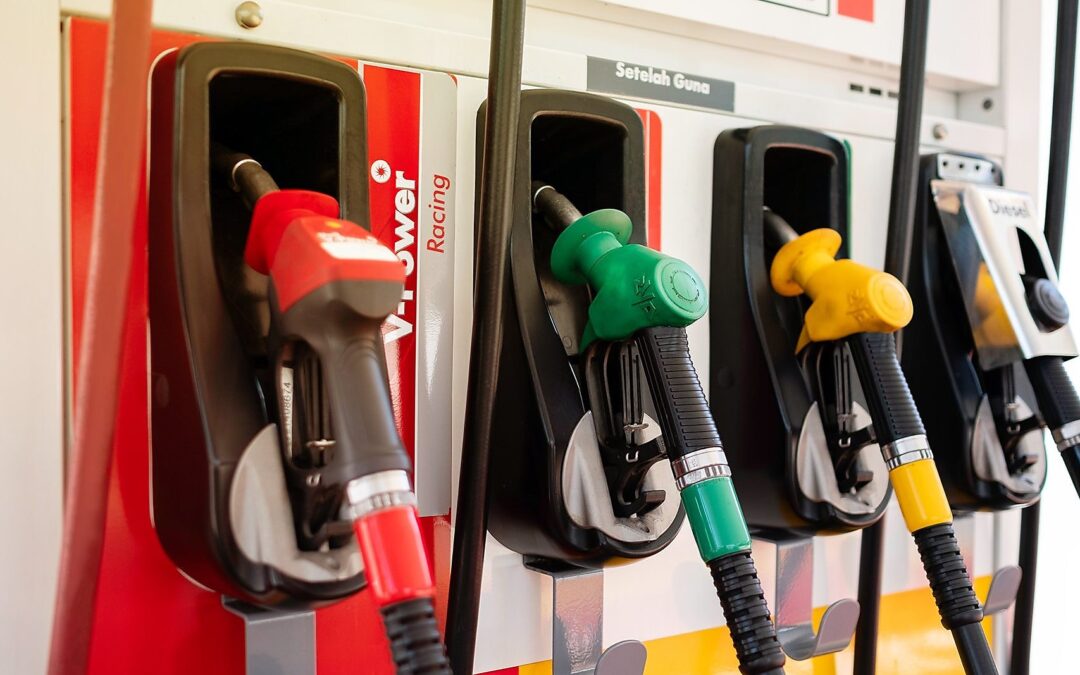
(吉隆坡30日讯)自今日起,马来西亚政府正式推行“仁政昌明95汽油补贴机制”(简称 BUDI95)。所有持有效驾照的国民,均可享受每公升 RM1.99 的 RON95 汽油补贴价,每人每月限额 300 公升;非公民或大企业将不再享受补贴,需按市场价约 RM2.60/升缴费。政府强调,此举旨在减轻民众生活成本,同时确保补贴更精准分配给本地公民。 这项政策在社会上引起了热烈讨论:它究竟是“惠民红包”,还是“国库隐患”? 马来西亚长期以来面临沉重的财政负担,其中一项即是长期占据庞大比例的燃油津贴,平均每年耗资约200亿令吉。因此,补贴改革已成迫切需求。尽管相关呼声多年不断,但始终未能落实为具体有效的政策。 这次推出的 BUDI95 机制,取消了外国车辆的补贴资格,为国民提供更低油价,并设定每人每月 300 公升的限额,既能满足大多数民众的基本需求,又限制了高消费群体的补贴额度。尽管在行政层面程序更为复杂,但有助于遏止燃油走私。 可见,政府的初衷相当明确:控制补贴开支、减少外籍或高消费群体的“搭便车”现象、并将节省的财政资源转向公共福利、基础设施与低收入扶持。 然而,BUDI 95从原本设想中的剔除高收入群的“分层补贴”(T15)目标,到如今变成全民补贴,使原本有望节省更多财政资源的空间大幅缩小。此外,商用车则需以RM2.05加添RON 95 汽油。政府一方面希望透过津贴改革来减轻国库负担,另一方面又试图以降低油价赢得民意。 政府既不能切断高收入群体的补贴,更难以全面停止燃油津贴,否则势必引发民怨;然而继续维持高额补贴,又让国库长期背负沉重压力。安华内阁在多方利益与政治目的之间不断权衡与妥协,致使所谓的‘针对性补贴’未能精准落实,最终出现三种油价并存的局面。 从这一角度来看,BUDI 95 在付出更高行政成本的前提下,所带来的实质效果却相当有限,与预期相比其政策成效显然打了折扣。它更像是一种折衷的过渡方案,而非真正触及补贴改革核心的解方。补贴在国家预算中占据显著比重,若无法持续压减,则财政赤字、公共债务等隐患仍存。 与其长期困在燃油补贴泥沼,政府或许更应考虑把有限的资源投向科技创新、绿色能源、产业升级等更具长远效益的领域,虽然这意味着短期内可能面对调整带来的阵痛,但却是改善民生、稳固国库的可持续之道。 详情请参阅 BUDI 95 官方网站:https://www.budi95.gov.my/landing。
森美兰推动现代与包容性规划 致力打造投资、物流、教育及旅游综合枢纽
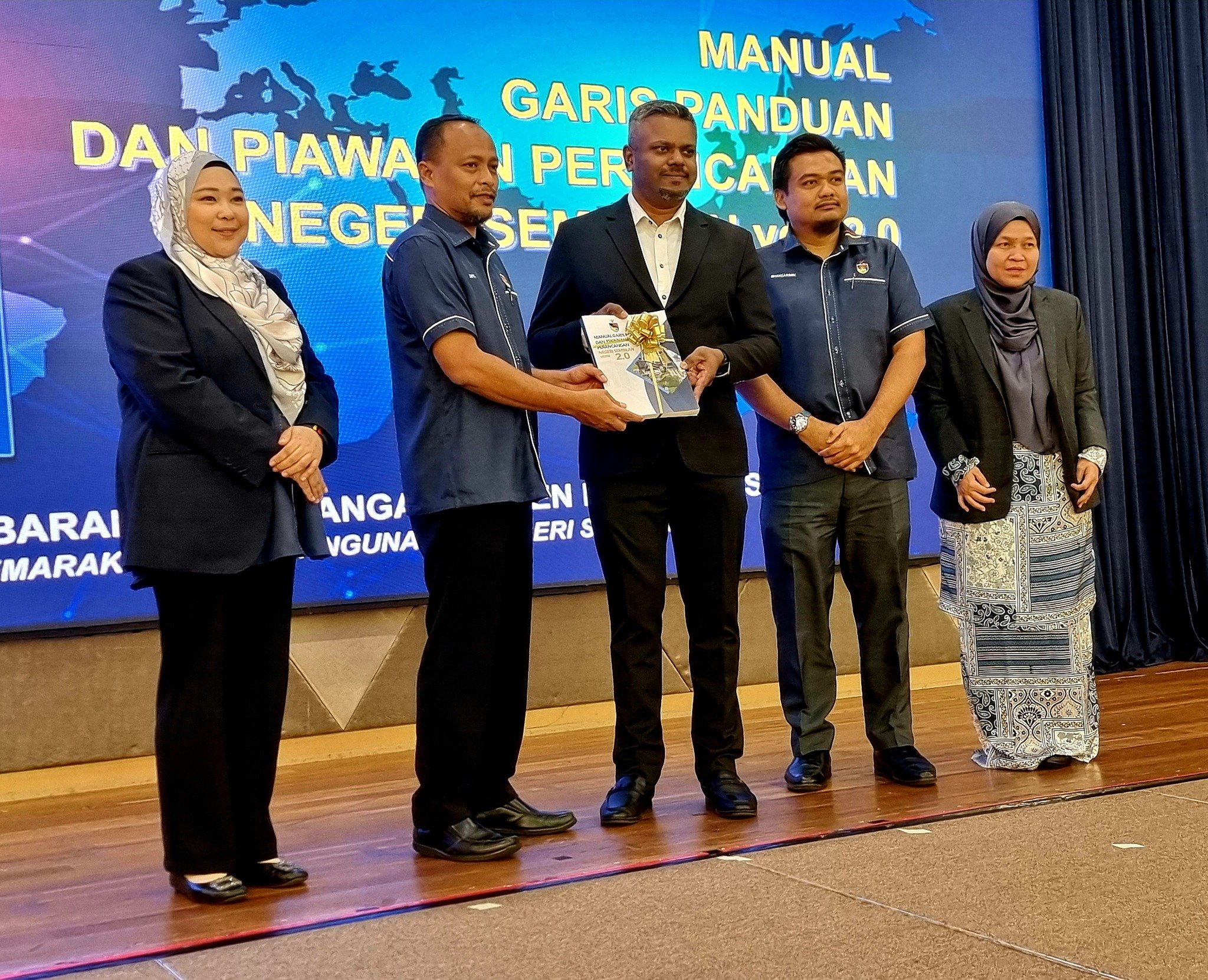
(森美兰29日讯)森美兰州政府重申,现代化与包容性的规划是州属未来发展的关键。在由PLAN Malaysia Negeri Sembilan主办的“现代与包容规划传播计划”(Program Sebaran Perancangan Moden dan Inklusif)推介礼上,森州行政议员阿鲁古马(Arul Kumar Jambunathan)指出,森美兰正积极迈向成为马来半岛主要的投资枢纽,并持续拓展为物流、教育及旅游的重要中心。 阿鲁古马表示,优质的投资将成为州经济增长的重要动力,不仅带来更多就业机会,也将全面提升人民福祉。然而,他强调,唯有通过周密的规划与高效的执行,并在发展与永续之间取得平衡,森美兰的发展潜力才能真正落实。 根据数据显示,仅在2024年,森美兰就吸引了总额高达72亿5000万令吉的投资,涉及208个项目;自2019年以来,州内获批的外资累计已达241亿令吉。他认为,这些成果足以证明州政府的政策与方针正逐渐获得本地及国际投资者的高度信任。 阿鲁古马进一步指出,为巩固发展方向,森美兰将通过四项重点举措来推动现代与包容性规划: 《森美兰规划指引手册2.0》,确保规划更精简并符合永续发展原则; 提升投资友好度,通过更透明、友善的开发收费机制吸引投资; 实施土地与建筑用途调整机制(KM),以提升发展效率; 推出“MBSFly”计划,加速发展审批流程,同时确保规划质量不受影响。 “发展不只是投资数据或项目数量的堆积,更重要的是人民能否切实受惠。”阿鲁古马强调,真正的成果体现在人民能住上舒适的可负担房屋,享有高效的交通系统、清洁绿色的环境、更广阔的就业机会,以及一个和谐、包容的社区。 他坚信,在各方持续努力与合作下,森美兰必将稳步迈向进步、包容与具竞争力的州属。 图:取自阿鲁古马面子书
大马政府拟推非工伤保险计划,为劳动者提供全天候保障,反映对灵活与远程工作时代的积极回应
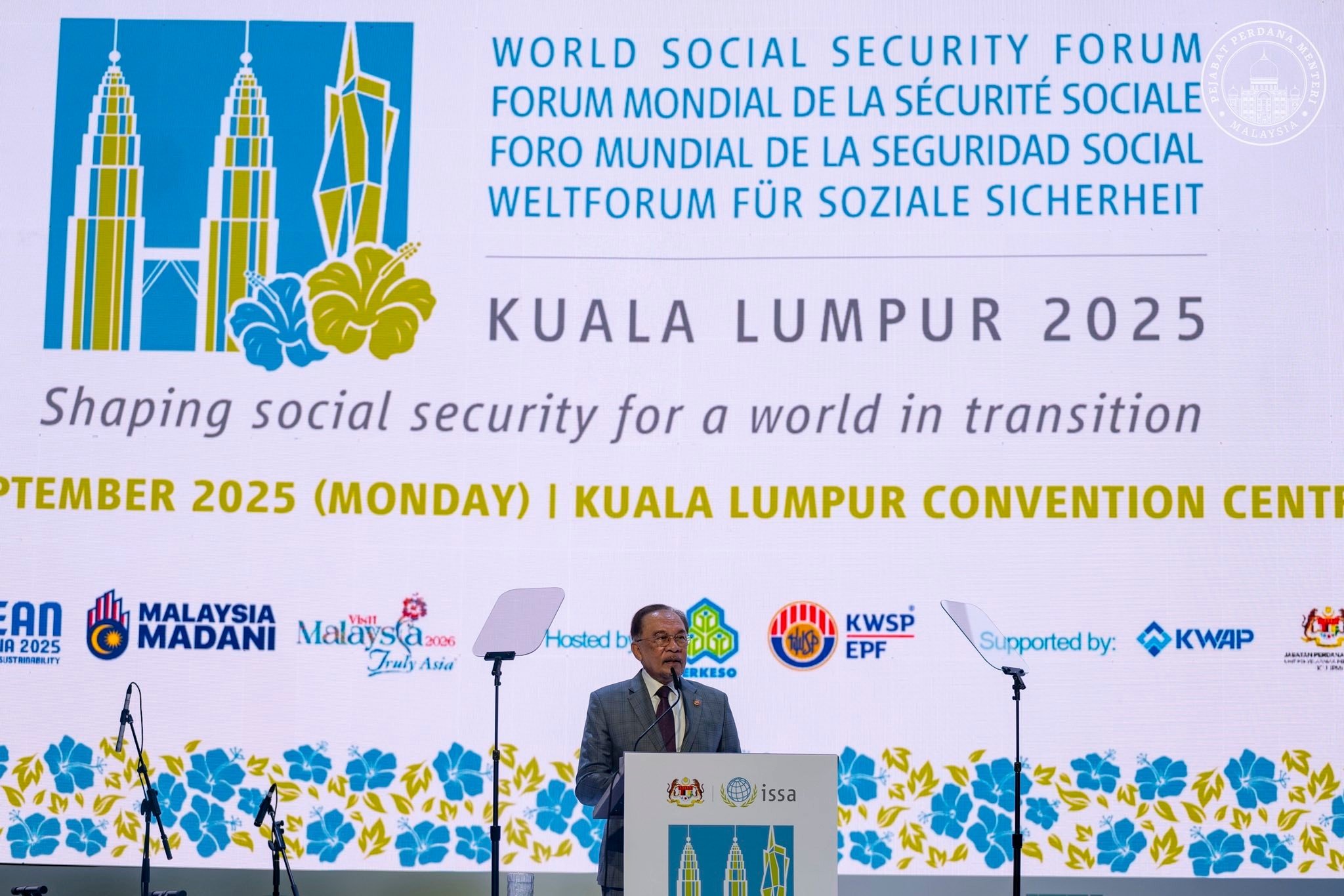
(吉隆坡29日讯)在今日于吉隆坡举办的世界社会保障论坛(World Social Security Forum 2025)上,首相拿督斯里安华透露,马来西亚即将推出一项非工伤保险计划(Non-Workplace Accident Scheme),加强马来西亚的法律框架,目的是确保雇员在办公时间之外也能受到保障。 首相安华指出,随着灵活办公、远程工作、自由职业等模式愈发普遍,传统依据“在职时段”提供保障的做法已不能全面覆盖现代劳动者的真实风险。面对日益多样化的工作模式,这项改革有助于强化对劳动者的全方位保障,同时推动社保政策向更健全、更人性化的方向发展。 他强调: “在灵活与远程办公盛行的时代,这项改革将使保障更贴近当今人们的生活与工作现实。” “最关键的是,这项计划将把保障延伸至全天候,因为事故与伤害并不会依照时间表发生。” 此外,去年全马共记录到 85,529 宗非工作场所意外事故,凸显出目前制度可能存在的保障缺口。 若该方案落实,新政策将覆盖长期以来处在保障范围之外的人群,如家庭主妇、零工工作者等。而在职员工若在非办公时间、下班途中、周末或公共假期等时段发生意外伤害,也有望纳入保障范围。首相安华也补充,为使保障机制更具有效率与包容性,政府将导入数码系统,使偏远地区也能受益,不落人后。 此举不仅反映了政府对劳动环境变化的敏锐回应,也标志着马来西亚社会保障体系的一次重要升级,体现政府对多元劳动者的重视。若能顺利推行,非工伤保险计划不仅将提升劳动者的保障,也预示着未来社保政策的发展方向。 图:取自安华面子书
马中携手拥抱AI与数字资产 亚洲迎来新机遇
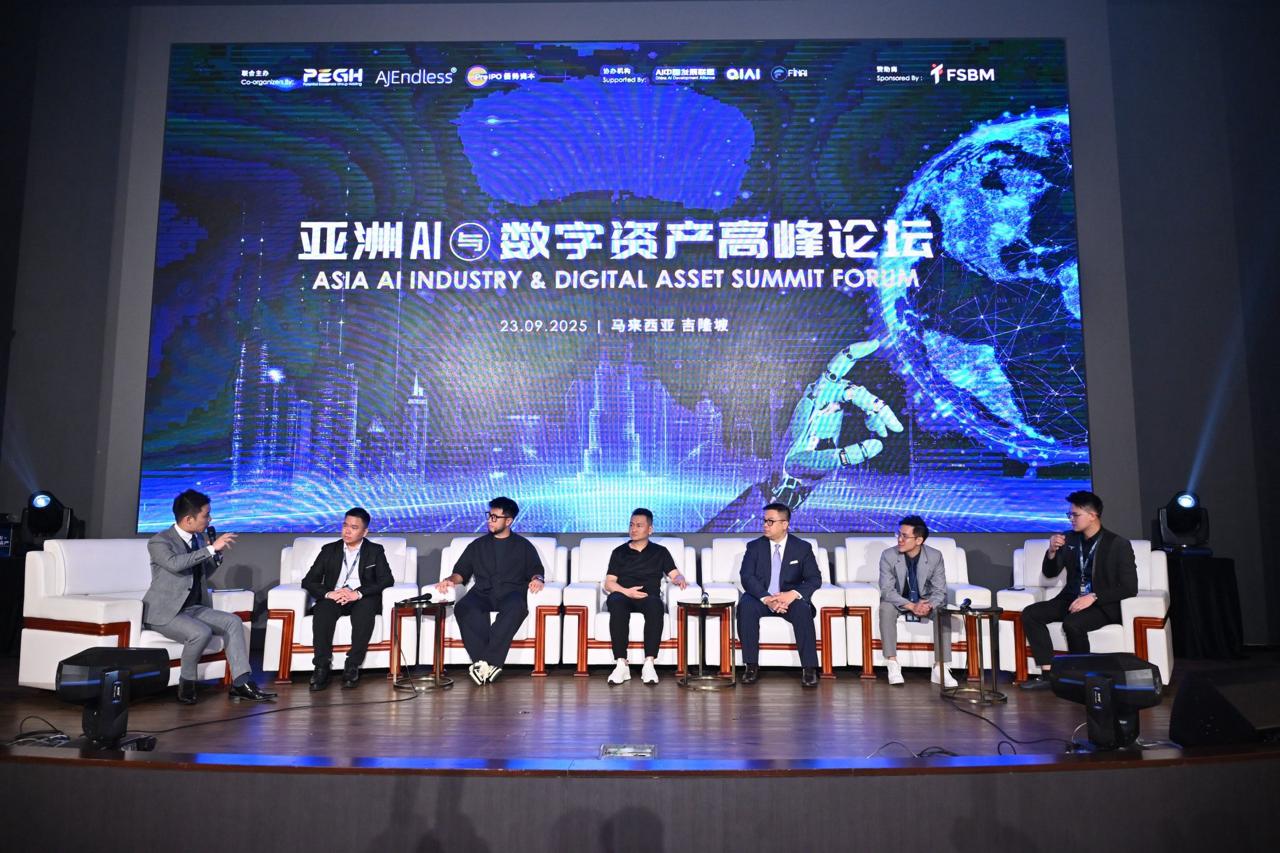
2025 亚洲人工智能与数字资产高峰论坛隆重举行,汇聚马中及区域政商学界代表,共同探讨人工智能(AI)与数字资产的发展机遇。大会主宾、马来西亚中华大会堂总会(华总)总会长丹斯里吴添泉局绅博士在会上指出,人工智能正在快速席卷全球,进入了人类“不可一日无人工智能”的新纪元,广泛应用于科技、国防、金融、经贸、航天等各个层面,并在近年来注入数字资产这一新兴领域。他同时提醒,人工智能是一把“双刃剑”,人类必须善加利用,确保其发展惠及社会与经济。 [caption id="attachment_5825" align="aligncenter" width="1280"] 大会主席、PEGH创办人拿督周正义博士致辞[/caption] 大会主席、PEGH创办人拿督周正义博士致辞时表示,人工智能正在重塑全球格局,而亚洲正站在这一浪潮的前沿。他引述普华永道预测,到2030年,人工智能将为全球经济贡献约15.7万亿美元,其中亚太区的投资年增率预计达33.6%,总额将突破1750亿美元。他强调,这不仅带来产业与资本的机遇,也凸显区域合作的重要性。他说,中国在科研与应用上已处于全球领先,而马来西亚正积极推动《数字经济蓝图》(MyDIGITAL),目标到2030年让数字经济占GDP四分之一。凭借中国的技术与资本,以及马来西亚的战略区位与多元文化,两国合作将实现互补共赢,推动区域经济升级。 中国优势资本董事长吴克忠先生在演讲中分享了中国数字经济发展的独特经验。他指出,在数字化时代,中国企业走出了一条“碎片化整合”的道路,例如美团、饿了么通过整合分散资源,建立覆盖全国的庞大生态;滴滴在中国、Grab在东南亚的成功,也证明了数字平台高效整合的力量。他强调,未来的商业竞争不再是单一基因的比拼,而是多维度生态的构建,贡献将不局限于资金投入,还包括管理、生产、交易和社区参与,这正是数字经济的核心价值所在。 [caption id="attachment_5826" align="aligncenter" width="1280"] PEGH、中国优势资本及新加坡企业AJEndless 签署了合作谅解备忘录(MOU)[/caption] 论坛期间,PEGH、中国优势资本及新加坡企业AJEndless 签署了合作谅解备忘录(MOU),以在人工智能、数字资产、资本市场和企业出海等领域展开更紧密的合作,携手推动区域产业与资本生态发展。 另外,作为本次论坛的赞助方,大马主板上市科技公司FSBM控股不仅支持这一交流平台的搭建,也展现其不断推动产业创新与区域合作的长期承诺。
美调整多国关税政策 对马关税等有新变动
华盛顿——8月1日讯,美国白宫宣布,总统特朗普签署行政指令,对多国关税税率进行大幅度调整,该指令将于8月7日正式生效,这一举措在国际市场上掀起层层波澜 。 回溯此前,美国原计划于8月1日对马来西亚征收高达25%的关税,这一计划对马来西亚的出口企业而言,无疑是一记沉重的潜在打击。然而,在马来西亚首相安华与特朗普积极沟通、多轮艰苦谈判后,局势出现转机,美国最终将对马关税下调至19% 。在东盟国家的关税体系中,泰国、印尼、菲律宾、柬埔寨与马来西亚相同,被征收19%的关税;越南的关税为20%,汶莱则是25%。而寮国与缅甸的关税高达40%,在东南亚地区位居榜首 。 从亚洲地区整体来看,印度面临的关税为25%,中国台湾地区是20%,日本和韩国同为15%。值得一提的是,澳洲、新加坡等未被列入此次行政命令的国家和地区,依旧执行10%的基准关税 。 同日,特朗普还签署了另一项重要指令,将加拿大的关税从25%大幅调高至35%,且这一调整于8月1日立即生效。白宫方面对此解释称,这一举措是为了回应加拿大此前实施的报复性关税,以及加拿大在阻止芬太尼流入美国方面未达到美国预期 。 在此次发布的指令中,还特别提到一项关键内容:若美国发现有货物通过第三国转运来规避关税,将对相关货物征收高达40%的关税 。这一规定使得不少依赖转口贸易的国家和企业绷紧神经,纷纷审视自身贸易路径 。 在贸易政策方面,特朗普一直以来善用关税作为谈判筹码。凭借关税威胁策略,他已与日本、欧盟等达成初步贸易投资协议,协议中的税率在15 - 20%区间。 至于备受瞩目的美中贸易协议,美国高官表示,目前仍未确定对中国的最终税率。美国财长贝森特则表示,虽然双方的会谈充满艰巨挑战,但贸易协议已在逐步成形,当下需要集中精力处理诸多技术细节问题 。这一表态让全球市场对美中贸易关系的走向充满期待,同时也在持续观望,各方都在密切关注这两大经济体在贸易领域的后续动作 。     Washington, August 1 — The White House announced today that President Donald Trump has signed an executive order to significantly revise tariff rates on multiple countries. The directive will take effect on August 7, stirring considerable waves across international markets. Previously, the United States had planned to impose a 25% tariff on Malaysian goods starting August 1 — a move that posed a serious potential blow to Malaysian exporters. However, following proactive communication and several rounds of tough negotiations between Malaysian Prime Minister Anwar Ibrahim and President Trump, the situation took a turn. The final decision saw the tariff on Malaysian goods reduced to 19%. Within the ASEAN bloc, Malaysia now shares the same 19% tariff rate with Thailand, Indonesia, the Philippines, and Cambodia. Vietnam faces a 20% tariff, while Brunei is set at 25%. Laos and Myanmar, however, top the regional list with a steep 40% tariff. From a broader Asian perspective, India is subject to a 25% tariff, Taiwan 20%, and both Japan and South Korea 15%. Notably, countries and regions not listed in the executive order — such as Australia and Singapore — will continue to follow the baseline 10% tariff rate. On the same day, President Trump also signed another major order raising Canada’s tariff from 25% to 35%, effective immediately. The White House explained that this move was in response to Canada's earlier retaliatory tariffs and what it described as Canada’s failure to meet U.S. expectations in curbing the influx of fentanyl into the United States. A crucial clause in the new directive highlights that if the U.S. detects goods being rerouted through third-party countries to circumvent tariffs, those goods will face a punitive 40% tariff. This provision has sent shockwaves through countries and companies that heavily rely on re-export strategies, prompting many to reassess their supply chains. President Trump has long employed tariffs as a key bargaining tool in trade negotiations. Using tariff threats, he has secured preliminary trade and investment deals with Japan and the European Union, with agreed tariff rates falling between 15% and 20%. As for the much-anticipated U.S.–China trade agreement, senior American officials have indicated that final tariff rates on Chinese goods have yet to be determined. Treasury Secretary Besent noted that while the negotiations remain challenging, progress is being made, and the focus now is on resolving complex technical issues. His remarks have fueled anticipation in global markets, as stakeholders closely monitor the evolving dynamics between the world’s two largest economies.  
从援助⾦争议,看⻅通胀下的⻢来⻄亚现实层次
从援助⾦争议,看⻅通胀下的⻢来⻄亚现实层次 作者:Hedki Heng 政府宣布发放RM100援助⾦,并规定仅限购买⽇常必需品,例如⽩⽶、⽜奶、饼⼲、学⽣⽤品,引发社交媒体⼀⽚哗然。 “只能买规定的东⻄吗?” “如果我想维修电话怎么办?” “给区区RM100,还要管我怎么⽤?” 评论区炸裂,怨⽓冲天。 但在愤怒之外,也有⼈⼒挺: “这样⾄少不会被⼈拿去买⾹烟。” “家⾥有⼩孩的,这笔钱能帮补早餐和⽂具。” ⼀边嫌限制太多,⼀边觉得安排合理。这场围绕RM100的⼩额补贴之争,倒也精准地映照出通胀时代的⼼理裂痕:多数⼈并不只是不满补贴数额,⽽是⻓期⽣活压⼒累积下,对体制、政策与资源分配深感⽆⼒。 “RM100不能⾃由花”,背后的政策思考 这是⼀次不折不扣的“有条件援助”政策。其逻辑⾮常清楚:这笔钱不是为了刺激消费,⽽是为了维持最低⽣活质量。 如果它是“⾃由现⾦”,它就有可能流向⾮急需品,甚⾄是“奖赏型消费”。政策设计者担⼼这笔钱变成烟酒、⼿办、⼿游充值的“助攻”,于是划下“只能买⽣活必需品”的红线。 当然,这种设限带有⾼度“⽗权式⼲预”⾊彩,在市场经济的普遍⾃由语境下,会让很多⼈本能反感。“国家凭什么决定我需要什么?” 这句话确实合理,但问题是:这100块,不是为了满⾜“想要”,⽽是兜底“不得不”。 [caption id="attachment_5740" align="aligncenter" width="770"] 我们正处于⾼通胀的缓慢侵蚀中[/caption] RM100撬动的不只是怨⽓,⽽是沉默的焦虑 与其说RM100不够,不如说它让⼈更直⾯现实:为什么100块钱,已经⽆法换来⽣活的安全感? 当⼀个国家的⽼百姓为RM100是否⾜够买三天菜、四罐奶粉⽽争论不休,不是因为这笔钱太重要,⽽是因为⽣活太脆弱。 我们正处于⾼通胀的缓慢侵蚀中: ⻝油、⽶粮、电费、交通成本都在涨, ⼯资上涨速度却不成⽐例, ⾮正式经济中,越来越多⼈依赖政府⼀次性津贴“过⽇⼦”。 ⽽这正是“援助型财政”最尴尬之处:你不可能靠⼀次RM100解决结构性问题,但⼜不能什么都不做。 “援助”与“控制”的灰⾊地带 这笔RM100补贴某种程度上也反映出国家对“资源流向失控”的焦虑。⻢来⻄亚曾经历补贴机制被滥⽤、资源被中间⼈截留、援助⾦流向⿊市等前⻋之鉴。如今政策设限,其实是建⽴在“缺乏信任”的基础上。 问题是,这种不信任是单向的吗? ⼈⺠也未必信任政府懂他们的痛点。 有⼈需要买⽂具,有⼈需要买保健品,有⼈则真的只想添⼀件⼲净的衬衫⾯试。政府⽤“统⼀⼝径”做资源配置,看似公平,但难免粗糙、呆板,忽略了底层⽣活的多样性。 援助⾦不是⽅向,制度保障才是根本 我们该问的问题不是:“RM100能买什么?” ⽽是:“为什么2025年的⻢来⻄亚,有这么多⼈连100块都如此需要?” RM100变成全⺠话题,并不是因为这笔钱多有份量,⽽是这笔钱暴露出太多⼈“没得选”的困境。若没有结构改⾰、产业升级、教育提升与真实就业机会,任何援助都会陷⼊“派完⼜派、吵完⼜吵”的循环。 更重要的是,当国家开始把⼀次性现⾦当成“缓解情绪⼯具”,本身就是财政治理的警讯。 我们不是争那RM100,⽽是在争⼀种被理解的⽣活 这场争议,其实是⼀次社会层级间对“公平”的激辩。 有⼈觉得这RM100多此⼀举,甚⾄有点“侮辱性”。但也有⼈明⽩:对某些家庭⽽⾔,这RM100是下⼀周的晚餐,是孩⼦不必饿肚⼦上学的保障。 不是谁⽐谁可怜,⽽是我们得承认⻢来⻄亚的贫富落差、城乡差异、机会不均,已到了不得不正视的阶段。 当社会上层在咖啡馆⾥讨论ESG和区块链、稳定币时,另⼀端的⼈在计算⼀罐奶粉和⼀包⽩⽶的价格,RM100在他们的账本⾥,不是“象征”,⽽是“现实”。 RM100不是问题的答案,但是⼀⾯镜⼦ ⼀百块钱,解决不了通胀,也扭转不了结构失衡。它不是政策终点,只能是某种信号,提醒我们:别让短期的“糖果政策”,掩盖⻓期的制度病灶。 如果⻢来⻄亚想从“补贴国家”⾛向“可持续国家”,我们得⽐RM100看得更远:是就业机会,是社会保障,是⼯资成⻓,是让⼈不再为100块争吵的⽣活结构。
稳定币:下⼀个⾦融主权战场?
美元锚定的加密资产,正悄悄改变国家与国家之间的⾦融势⼒版图,⻢来⻄亚准备好 了吗? 在你还在思考“⽐特币太不稳定、不适合投资”的时候,⼀种更“安静”,却可能更具破 坏⼒的数位货币,正悄悄改变全球⾦融格局。它的名字叫稳定币(Stablecoin)。 稳定币,顾名思义,是⼀种挂钩真实资产、价格波动极⼩的加密货币。它通常与美 元、⻩⾦或其他法定货币等资产“锚定”,并透过区块链进⾏交易流通。你可以把它想 象成“在链上的美元”,既有美元的稳定,⼜有区块链的便捷。 ⽬前市场上的主流稳定币如 USDT(Tether)、USDC(Circle),交易量远超过其他 加密资产。根据加密数据平台CoinMetrics的数据,仅USDT⼀项,每⽇链上交易额已 超过⽐特币。这意味什么?意味着,数以亿计的“美元”,正不通过银⾏,⽽是在区块 链上⾃由流动。  为什么稳定币值得我们关注? 对⼀般⺠众⽽⾔,稳定币听起来离⽣活很远,但在地缘政治、国家货币政策的层⾯, 它正挑战“货币主权”的核⼼。 如果⼀个国家的⼈⺠,⼤量使⽤链上稳定币来交易、储值,甚⾄作为⽀付⼯资或跨境 结算⼯具,那么这个国家的中央银⾏将⾯临“货币政策失效”的⻛险。简单来说,中央 银⾏⽆法通过调整利率或货币供应量来影响市场,因为⼈⺠⽤的根本不是本国货币。 你可以想象这样⼀个未来情景:⼀个在槟城⼯作的菲律宾籍蓝领⼯⼈,透过Telegram 群组拿到⼀份打零⼯的⼯作,雇主⽤USDT直接转账到他的钱包,他再把稳定币换成 菲律宾比索寄回家——没有银⾏,没有⼿续费⽤,也不需要MYR(马币)。 这个看似便⺠的场景,背后却隐藏了货币替代、监管真空、资本流动难控等重⼤隐 忧。 ⻢来⻄亚的处境与选择 在东南亚地区,⻢来⻄亚的数字经济发展速度尚属中上,然⽽在加密政策⽅⾯,属于 谨慎保守派。⽬前,⼤⻢证券委员会(SC)允许的加密交易平台只有少数⼏家,对 稳定币尚未有明确定义,也没有任何本地发⾏的合规稳定币。 与之对照,新加坡已推动与MAS(⾦融管理局)监管的“Purpose Bound Money (PBM)”框架;⾹港也正在制定⾃⼰的稳定币发⾏机制;⽽泰国更开放⺠间探索 Web3⽀付应⽤。 这让⻢来⻄亚⾯临⼀个微妙的局⾯: 若继续观望,可能失去作为区域数字⾦融枢纽的战略地位; 若贸然开放,⼜可能引发资⾦外流、货币主权弱化等不可控后果。 ⽬前,⻢来⻄亚中央银⾏(BNM)与证券委员会正合作推动“数字令吉”的试点计划 (CBDC),但CBDC的发展节奏远远落后于私⼈主导的稳定币。 是“美元新殖⺠”,还是“⾦融⾃由”? 稳定币的核⼼⽭盾,其实不是技术问题,⽽是货币与权⼒的再分配。 在⽬前的稳定币市场,90%以上挂钩美元,⽽绝⼤多数项⽬也由美国公司掌控。这 也意味着,⼀旦⻢来⻄亚⼈⺠开始⼤量使⽤稳定币,实际上是将“⽀付权”、“清算权”、 “汇率话语权”拱⼿让⼈。 有⼈说,这是⼀种新形式的“美元殖⺠”,也是美国绕过传统SWIFT⾦融系统、将美元 进⼀步⾦融武器化的⼿段。美国财政部若决定冻结某个钱包,就如同冻结⼀个国家的 部分“地下⾦融系统”。 换句话说,稳定币可能是⼀种“看不⻅的⾦融外交⼯具”。 企业家眼中的稳定币:挑战,还是机会? 与其等待政府设⽴标准,不如企业家们先理解:稳定币不只是⾦融⼯具,它是⼀场新 型的信任⾰命。对⻢来⻄亚的企业⽽⾔,它既是⻛险,也是跳板。我们建议: 学会⽤稳定币进⾏跨境交易测试 如果你在与中国、菲律宾、印尼等国家有⼩额采购或服务往来,稳定币(如USDT或 USDC)可能⽐传统汇款更快、更便宜。不妨设⽴⼩规模试点账户,了解其流程、⻛ 险与合规要求,作为数字化贸易的⼀部分。 掌握钱包与链上⽀付基础 不懂区块链,也要学会⽤钱包。企业主应该⾄少熟悉Metamask、Trust Wallet等常⻅ ⼯具,了解冷钱包与热钱包的区别。否则未来客户付款时说“我转USDC给你”,你却 连地址都拿不出来,反⽽失去商机。 关注客户的⽀付习惯变化 Z世代与数字游⺠(digital nomads)群体,越来越倾向使⽤稳定币交易,尤其在⾃ 由职业、设计、程序开发与海外⼯作领域。如果你服务的是这些新兴群体,可能很快 要⾯对“客户不想⽤银⾏转账”的趋势。 结合稳定币进⾏商模创新 在合法范围内,⼀些本地初创企业已开始探索将稳定币结合忠诚积分、跨境打赏、甚 ⾄员⼯远距⼯资⽀付(freelancer payout)。这类“灰⽩之间”的空间,也是未来⻢来 ⻄亚Web3商业创新的试验场。 建⽴最基本的“监管意识” 虽然监管仍在灰区,但这不代表你可以放松警觉。企业在使⽤稳定币时,仍应保存记 录、注明交易对⼿,避免陷⼊洗钱、诈骗链条。未来监管来临时,有记录的企业才有 “合规通⾏证”。 稳定币的窗⼝,已悄悄开启 今天的稳定币,就像20年前的⽀付宝、10年前的区块链:多数⼈看不懂,少数⼈试 试看,极少数⼈提前部署,成为下⼀波数字经济的红利收割者。 ⻢来⻄亚企业主不能总等政策“讲明⽩”才动身。因为技术变化的速度,不等⼈。稳定 币的浪潮,或许还不会⻢上颠覆银⾏,但它正在⼀点⼀滴,改变企业对“交易”的定 义。 你看懂了吗?
中马互免签证协定2025年7月17日正式生效,推动双边往来再上新台阶
【吉隆坡讯】中国与马来西亚两国政府签署的《中华人民共和国政府和马来西亚政府关于互免持公务普通护照和普通护照人员签证的协定》已于2025年7月17日正式生效。根据中国驻马来西亚大使馆发布的公告,该协定旨在进一步便利两国公民人员往来,深化经贸合作与人文交流,是中马关系发展过程中的又一重要里程碑。 停留不超过30天可免签,最长累计90天 根据协定内容,自2025年7月17日起,持有有效中国公务普通护照、普通护照,以及马来西亚普通护照的人员,因旅游、探亲访友、商务活动、交流访问、私人事务、医疗或国际运输(如机组人员)等非工作性质事由入境对方国家时,可享受免签待遇。 具体而言,单次停留不得超过30天,且每180日累计停留不得超过90天。超出此期限或拟在对方国家从事工作、学习、新闻采访等需获得事前批准的活动,则仍需提前办理签证。 为帮助民众了解签证相关政策,中国驻马来西亚大使馆及领区各总领馆亦同步公布了咨询渠道,包括吉隆坡中国签证申请中心、驻古晋总领馆与驻哥打基纳巴卢总领馆等(联系方式详见官方公告)。 政策落地带动人流、资金流、信息流 据中国商务部及新华社援引的数据,截至2025年前五个月,中马双边贸易额已达到846.2亿美元,同比增长2.8%。其中,中国对马来西亚出口增长5.4%,马来西亚对华出口增长0.5%。此次免签政策的落地,进一步释放双边经贸潜力,提升两国投资便利性与产业互动。 在旅游方面,根据马来西亚旅游局统计,2024年共有超过370万中国游客赴马,今年前五个月已达180万人次,复苏势头显著。多家旅游平台和航空公司表示,配合签证新政,计划增开中马直航航班并推出更多“说走就走”产品包,刺激下半年客流。 2025年下半年,马来西亚将迎来“旅游年”系列主题活动。业内普遍认为,免签政策将成为“强引擎”,推动中国游客成为东南亚最重要的旅游市场之一。 “护照含金量”持续提升,区域合作稳步推进 本次中马互免签证协定的正式生效,标志着中国在推进高水平对外开放方面迈出关键一步。据中国外交部资料,截至目前,中国已与157个国家签署各类签证便利化协议,其中包含40多个国家给予中国公民不同形式的免签待遇。 马来西亚作为中国在东盟的重要合作伙伴,在数字经济、教育培训、清真食品、绿色能源等领域也正迎来新一轮对接机会。中马互免签证政策的实施,不仅将便利人员流动,更为区域产业链重构、企业落地设点与政策协同提供实质支持。 [Kuala Lumpur] – The mutual visa exemption agreement between the Government of the People’s Republic of China and the Government of Malaysia officially came into effect on July 17, 2025, marking a major milestone in strengthening bilateral relations and enhancing people-to-people connectivity between the two nations. The agreement, titled “Agreement between the Government of the People’s Republic of China and the Government of Malaysia on Mutual Visa Exemption for Holders of Diplomatic, Official and Ordinary Passports”, enables eligible citizens from both countries to travel visa-free for specific purposes. Key Provisions: Visa-Free Stay Up to 30 Days, Cumulative 90 Days in 180 According to the official statement by the Chinese Embassy in Malaysia, holders of valid Chinese public affairs passports, ordinary passports, and Malaysian ordinary passports are now allowed visa-free entry into the other country for up to 30 days per visit, provided the total stay does not exceed 90 days within any 180-day period. The visa exemption applies to travel for purposes such as tourism, visiting friends and relatives, business activities, short-term exchange programs, medical treatment, and international transportation (e.g. airline crew). Travelers who plan to stay beyond 30 days, or intend to work, study, reside long-term, or conduct activities such as journalism, must still apply for a visa in advance. The Embassy has also published contact details for visa-related inquiries, including consultation hotlines for its offices in Kuala Lumpur, Kuching, and Kota Kinabalu. Stronger Mobility, Trade, and Connectivity The visa exemption policy is expected to significantly boost bilateral flows of people, capital, and knowledge. According to China Briefing and the Ministry of Commerce, bilateral trade between China and Malaysia reached USD 84.62 billion from January to May 2025, a 2.8% year-on-year increase. China’s exports to Malaysia grew by 5.4%, while imports increased by 0.5%. The tourism sector is also set to benefit. In 2024, over 3.7 million Chinese tourists visited Malaysia, and more than 1.8 million have already arrived in the first five months of 2025. Industry players expect this figure to surge as Malaysia gears up for its 2025 "Visit Malaysia Year" campaign. Travel agencies and airlines in both countries have already begun to increase direct flights and launch flexible visa-free packages to meet rising demand. Enhancing the Global Reach of Chinese and Malaysian Passports This agreement is part of China’s broader diplomatic push to expand its network of mutual visa exemptions, which now includes over 157 countries with various levels of visa facilitation agreements. Malaysia remains one of China’s key partners in Southeast Asia and the ASEAN region. The implementation of this policy not only facilitates short-term visits but also lays a stronger foundation for cross-border business operations, academic exchange, and strategic cooperation in sectors such as green energy, digital economy, and halal industry development.
欧盟寻求2027年将与东盟关系提升至全面战略伙伴关系
【吉隆坡讯】随着全球地缘政治不确定性日益加剧,欧盟正加快脚步,计划在2027年与东盟建立全面战略伙伴关系。这一时间点恰逢双方建交50周年,被视为深化合作的关键里程碑。 在近日于吉隆坡召开的东盟-欧盟部长级会议后,欧盟外交与安全政策高级代表兼欧盟委员会副主席卡娅·卡拉斯(Kaja Kallas)强调,欧盟与东盟的合作已不止于经贸范畴,涵盖从可再生能源到区域安全的多重议题。 她指出:“欧盟与东盟共享维护基于规则的国际秩序的价值观。尤其在俄乌战争、中东持续冲突以及南海紧张局势升温的背景下,我们比以往任何时候都更需要团结。” 与此同时,欧盟对东盟在关键资源供应链中的角色寄予厚望。数据显示,东盟国家已成为电动车电池、橡胶、棕榈油等多种欧洲工业链条不可或缺的环节。卡拉斯也特别感谢马来西亚与汶莱在支持欧盟能源多元化方面所发挥的作用,使欧盟得以减少对俄罗斯能源的依赖。 此外,她警告称,保护主义和经济碎片化正在全球抬头,这对以世贸组织为基础的国际贸易体系构成挑战。“欧盟将继续作为一个可预测、可靠的合作伙伴,坚定维护自由贸易、多边主义及国际法。” 根据欧盟官方数据,东盟与欧盟合计占全球GDP的20%以上,并贡献了全球近四分之一的贸易额。双方也已在绿色转型、数字经济、公共卫生等方面展开多层次合作,下一步计划在2024年底前就更多气候与数字转型议题达成若干路线图,为2027年全面战略伙伴关系打下基础。 展望未来,欧盟将在今年11月布鲁塞尔举办印太部长级论坛期间,与东盟举行工作午餐会,进一步细化双方的合作成果清单。卡拉斯表示:“我们希望在2027年的纪念峰会前,把东盟-欧盟关系推向一个全新的战略高度。” KUALA LUMPUR: Against a backdrop of mounting geopolitical uncertainty, the European Union is accelerating its efforts to upgrade its relationship with ASEAN to a comprehensive strategic partnership by 2027—a milestone year that marks the 50th anniversary of EU-ASEAN diplomatic ties. Speaking after the ASEAN-EU Ministerial Meeting in Kuala Lumpur, EU High Representative for Foreign Affairs and Security Policy and European Commission Vice President Kaja Kallas stressed that cooperation between the two blocs has expanded well beyond trade, now spanning renewable energy, regional stability, and more. “ASEAN and the EU share values of upholding a rules-based international order. Especially amid Russia’s war against Ukraine, ongoing conflicts in the Middle East, and rising tensions in the South China Sea, our unity is more crucial than ever,” she said. Kallas highlighted ASEAN’s growing importance in EU supply chains, particularly in critical resources such as EV battery components, rubber, and palm oil. She also thanked Malaysia and Brunei for supporting the EU’s energy diversification efforts, which have reduced its reliance on Russian energy. However, she warned of rising protectionism and economic fragmentation that threaten the WTO-based global trade system. “The EU remains a predictable, reliable partner, firmly committed to free trade, multilateralism, and international law.” According to EU data, ASEAN and the EU together account for over 20% of global GDP and nearly a quarter of global trade. The two sides have already deepened cooperation on green transition, digital economy, and public health. They aim to finalise more roadmaps on climate and digital initiatives by the end of 2024, paving the way for the 2027 strategic upgrade. Looking ahead, the EU plans to hold an EU-ASEAN working lunch on the sidelines of the Indo-Pacific Ministerial Forum in Brussels this November to sharpen the list of deliverables. “We want to bring EU-ASEAN ties to a new strategic height by the 2027 summit,” Kallas concluded.
国行降息至2.75% 马华促政府同步推出经济纾困方案
吉隆坡,7月9日讯——马来西亚国家银行今日宣布,将隔夜政策利率(OPR)调降25个基点,由3.00%降至2.75%,这是自2020年以来的首次降息。与此同时,利率走廊上限与下限分别调整为3.00%与2.50%。 种植及原产业部长兼马华经济与中小企业事务委员会秘书李家兴对此表示,国行此举反映经济增长放缓、内需不振及国际贸易环境趋弱的现实。他认为,降息能为中小企业与负担房贷的家庭减轻压力,但若缺乏财政与结构性配套政策,恐难以恢复经济信心与活力。 李家兴强调,货币政策虽是缓冲工具,仍需政府推出有针对性的纾困措施。他建议设立中小企业低息贷款渠道、发放生活补贴或消费券、临时减免民生间接税,以及加快公共基建项目执行,以带动内需与就业。 他同时提醒,降息可能带来货币贬值、进口成本上升及定存利率下降等后果,呼吁政府把握此次“政策窗口期”,审慎管理市场预期,并同步检视税制、粮食安全与企业支持政策,以推动长远改革。 经济学家普遍认为,本次降息是国行在当前全球贸易与关税压力下的“预防性措施”,并有助于稳定经济增长与控制通胀。首季GDP增速仅4.4%,6月通胀率降至四年新低约1.2%,再加上7月1日起美国宣布对大马加征25%关税,进一步加剧市场不确定性。 李家兴指出,此次降息行动虽有助缓和经济下行,但单靠降息无法全面提振内需与投资,他呼吁政府同步推出协调性财政与结构性对策,才能真正实现稳增长、激活市场信心。 KUALA LUMPUR, July 9 — Malaysia’s central bank has cut its benchmark Overnight Policy Rate (OPR) by 25 basis points to 2.75%, marking the first rate cut since 2020. The ceiling and floor of the OPR corridor were also adjusted to 3.00% and 2.50% respectively. Li Jiaxing, Secretary of the MCA’s Economic and SME Affairs Committee, said this move by Bank Negara Malaysia reflects concerns over slower domestic growth, weak private consumption and rising global trade uncertainties. While the rate cut may ease burdens on SMEs and homeowners with mortgages, he warned that without matching fiscal and structural policies, it would be difficult to fully revive economic confidence and momentum. He stressed that monetary policy can only provide liquidity support. To be truly effective, it needs to be complemented by government measures. Li urged the administration to introduce targeted relief packages, such as special low-interest financing for SMEs, direct living subsidies or digital vouchers to spur household spending, temporary reductions or exemptions on indirect taxes for essential goods like vegetables and staple food, and accelerating public infrastructure projects to drive domestic demand and job creation. Li also cautioned that while lower interest rates can stimulate the economy, they also carry side effects such as a weaker currency, higher import costs and lower returns on fixed deposits. He called on the government to use this “policy window” wisely, manage market expectations carefully, and simultaneously review the tax structure, food security strategies and SME support policies to drive long-term reforms. Economists widely see this cut as a pre-emptive step by the central bank to stabilise growth amid global trade headwinds and tariff pressures. Malaysia’s GDP expanded just 4.4% in the first quarter, while headline inflation cooled to around 1.2% in June, its lowest in four years. On top of this, new US tariffs of 25% on Malaysian goods that took effect on July 1 have added to the economic uncertainty. Li concluded that while the rate cut will help cushion downside risks, it cannot alone lift domestic demand and investment sentiment. He reiterated the MCA’s call for the government to roll out coordinated fiscal and structural measures alongside monetary easing to truly secure growth and restore market confidence.
马来西亚内阁将讨论美国征收25%关税课题
吉隆坡,7月8日讯——马来西亚内阁预计将于明日(9日)召开会议,重点讨论美国决定自8月1日起,对来自马来西亚的部分进口商品征收25%关税所带来的影响,以及我国可能采取的应对措施。 种植及原产业部长拿督斯里佐哈里阿都干尼表示,美国最初在今年4月宣布“解放日关税”计划,暂停原定24%的关税,并将谈判期限延长至8月1日。然而,特朗普政府日前决定调高税率至25%。佐哈里坦言,大马几乎无法阻止美方的单边决定,目前谈判工作仍由投资、贸易及工业部长东姑扎夫鲁领导进行。 他说,大马每年对美出口总额约200亿令吉,占美国进口市场比例非常小。出口产品主要包括棕榈油、相关制品及橡胶手套,而这些商品并非美国本土生产,因此预料美方进口商最终仍需承担部分额外成本。 不过,佐哈里指出,大马在这些产品出口方面面临印尼、越南、泰国和中国的强劲竞争,印尼的棕油出口规模远超大马,而泰国在橡胶手套领域的出口也领先于大马。 被问及若因加入金砖机制而面临再加征10%关税时,佐哈里认为,不应把特朗普的做法视为马来西亚出口市场的“死刑判决”。他强调:“全球有超过190个国家,一个国家加征关税,并不代表大马就无法生存。我们会继续推动市场多元化,降低对美国的依赖,减轻潜在冲击。” 他补充,马来西亚将继续与美国保持建设性接触,力求为本地企业和供应链争取最大利益。与此同时,在外部压力与国内温和通胀的背景下,马来西亚国家银行有望在9日宣布降息25个基点,以支撑经济成长。 据了解,此次美国对包括马来西亚在内的多国施加25%关税,是特朗普“互惠关税”政策的一部分,主要针对亚洲制造出口大国。此举已令东盟多国感到担忧,也为区域供应链稳定性带来更多变数。 Malaysia to discuss US 25% tariff in Cabinet KUALA LUMPUR, July 8 — Malaysia’s Cabinet is set to meet tomorrow (July 9) to deliberate on the impact of the US government’s decision to impose a 25% tariff on selected Malaysian imports starting August 1, and to chart out possible responses. Plantation and Commodities Minister Datuk Seri Johari Abdul Ghani said the US initially paused its proposed 24% tariff back in April, extending talks until August. However, the Trump administration recently decided to hike the tariff to 25%. Johari admitted Malaysia has limited means to halt this unilateral move, but stressed that Investment, Trade and Industry Minister Tengku Zafrul is continuing negotiations on Malaysia’s behalf. He noted that Malaysia exports roughly RM20 billion worth of goods to the US annually, representing only a tiny slice of America’s total imports. Key Malaysian exports to the US include palm oil, palm-based products and rubber gloves — items not produced domestically in the US — meaning American importers are likely to absorb a fair portion of the added costs. Still, Johari pointed out that Malaysia faces stiff competition. Indonesia’s palm oil exports far exceed Malaysia’s, while Thailand, Vietnam and China are strong rivals in the rubber glove market. Asked whether Malaysia’s ties with BRICS could prompt an extra 10% tariff hike, Johari cautioned against seeing Trump’s move as a “death sentence” for Malaysia’s export prospects. “There are over 190 countries in the world. Just because one country raises tariffs doesn’t mean Malaysia cannot survive,” he said, stressing the need to diversify export markets and reduce reliance on the US to cushion any fallout. He added Malaysia would continue engaging with the US in a constructive way to safeguard domestic businesses and supply chains. Meanwhile, with external pressures mounting and domestic inflation still modest, Bank Negara Malaysia is expected to announce a 25 basis-point interest rate cut on July 9 to help support growth. This latest tariff move on Malaysia and several other countries is part of Trump’s wider “reciprocal tariffs” push, mainly targeting Asian export-heavy economies. It has sparked concern across ASEAN, adding more uncertainty to regional supply chains.
外资加码马来西亚服务业 首季批准投资额达898亿令吉
【吉隆坡讯】尽管全球经济面临高度不确定性,马来西亚在2025年第一季度仍成功吸引大量投资,总额达898亿令吉,按年增长3.7%。这份由大马投资发展局(MIDA)发布的数据,显示出我国在制造、服务与初级行业的吸引力依旧强劲,为国家带来超过3万3300个新就业机会,也凸显投资者对本地政策透明度与经济基本面的高度信任。 外资占比近七成 新加坡领投 本季外资投资额达604亿令吉,占比达67.3%,而本地投资则贡献294亿令吉,占32.7%。其中,新加坡以高达283亿令吉的投资总额位居榜首,显示邻国企业持续加码马来西亚市场。紧随其后的是美国(99亿令吉)、中国(79亿令吉)、英属维尔京群岛(66亿令吉)与台湾(17亿令吉)。 分析人士指出,马来西亚拥有稳定的金融体系、地理位置优越及劳动力结构多元等优势,使其在全球资本趋于保守的当下,仍然被视为值得长期布局的安全落点。尤其是新加坡企业看中柔佛州与新山一带的中长期发展潜力,不少项目均与供应链外移、新兴制造及区域后勤有关。 服务业强势领跑 按年增长近四成 在所有投资领域中,服务业表现最为亮眼,录得578亿令吉的批准投资额,按年飙升39.5%。这批投资预计将创造超过1万5051个新工作岗位,涵盖金融科技、数据处理、共享服务中心、医疗服务与教育培训等多个细分领域。 随着全球对数码化与智能解决方案的需求上升,马来西亚服务业正迅速从传统行业向高端专业与技术密集型领域跃升。MIDA认为,服务业将成为未来十年国家经济增长的关键驱动力,同时带动本地就业结构向“高薪高技”转型。 柔佛独占鳌头 区域竞争格局初现 从地域分布来看,柔佛州以301亿令吉高居首季批准投资额榜首,显示其在制造业、服务业整合发展上的区域竞争力。其次是吉隆坡(150亿令吉)、沙巴(109亿令吉)、雪兰莪(102亿令吉)和槟城(92亿令吉)。 柔佛的出色表现部分归功于“柔佛—新加坡特别经济区”(JS-SEZ)的持续推进,该区域有望成为马新两国高端制造与现代服务融合的新典范。此外,雪隆与槟城等地则因科技园区成熟与专业人才聚集,持续获得海内外企业青睐。 电网与能源升级计划推动长期信心 首相拿督斯里安华于6月16日亚洲能源大会中宣布,国家能源公司(Tenaga Nasional)将斥资430亿令吉,用于全国电网基础设施升级。这项计划旨在满足人工智能、电池储能系统与数据中心日益增长的能源需求,并强化国家电力系统的智能化与韧性。 与此同时,国家石油公司(Petronas)也将在我国海域开发3个**碳捕获与封存(CCS)**设施,协同国际能源巨头推动绿色转型。这些项目不仅有助于我国履行碳减排承诺,也进一步提升马来西亚在东南亚区域的能源领导地位。 区域地位与政策导向促成持续吸金 作为2025年东盟轮值主席国,马来西亚正积极推动区域经济的一体化。东盟拥有6.8亿人口,人口红利与消费市场潜力巨大。政府致力于通过自由贸易、基础建设合作与人才流动机制,建立更具吸引力与效率的投资环境。 东姑扎夫鲁表示,我国将继续强化政策透明性、基础建设配套、税收激励机制及人才培养体系,以确保大马在全球投资版图中的战略地位。他强调,东盟经济整合将为马来西亚制造业与服务业带来前所未有的发展机会,也将进一步扩大我国在国际供应链中的节点价值。 展望未来:高技术、高附加值为主轴 本季投资表现显示出马来西亚逐步从传统投资结构,转向高附加值与高科技产业。服务业的崛起、电力与能源升级项目的落地,加上区域合作平台的日益健全,使得我国具备承接全球资本新一轮转移的硬实力与软支撑。 未来,能否持续吸引战略型外资、优化人力结构、推进绿色经济与数码经济深度融合,将成为决定马来西亚经济结构转型成败的关键。作为新兴区域经济核心之一,马来西亚正在用数据与行动回应国际市场的目光。 RM89.8 Billion in Approved Investments in Q1 Reflects Global Confidence KUALA LUMPUR — Despite global economic headwinds and geopolitical uncertainties, Malaysia recorded a robust performance in the first quarter of 2025, securing RM89.8 billion in approved investments, a 3.7% year-on-year increase. According to the Malaysian Investment Development Authority (MIDA), a total of 1,556 projects were approved across manufacturing, services, and primary sectors, expected to generate more than 33,300 new job opportunities nationwide. These figures reflect enduring investor confidence in Malaysia’s clear policy direction and solid economic fundamentals. FDI Accounts for Nearly 70%, Led by Singapore Of the total investments, foreign direct investment (FDI) made up RM60.4 billion, or 67.3%, while domestic sources contributed RM29.4 billion (32.7%). Singapore emerged as the top investor with RM28.3 billion, followed by the United States (RM9.9 billion), China (RM7.9 billion), the British Virgin Islands (RM6.6 billion), and Taiwan (RM1.7 billion). Analysts note that Malaysia’s stable political environment, strategic geographical location, and multilingual workforce continue to make it a preferred destination for capital inflows. In particular, Singapore’s strong presence underscores increasing cross-border industrial relocation and expansion, particularly in manufacturing, logistics, and regional services. Services Sector Leads the Way with 39.5% Growth The services sector was the standout performer, receiving RM57.8 billion in approved investments, a year-on-year surge of 39.5%. These investments are expected to create over 15,051 jobs, especially in high-growth areas such as fintech, data services, shared services, healthcare, and education. As digitalization and demand for smart solutions accelerate, Malaysia’s services landscape is rapidly evolving toward knowledge-intensive, high-value-added sectors. MIDA emphasizes that services will be the main engine of economic growth for the coming decade, particularly as the country pivots toward high-skilled and high-income job creation. Johor Tops Regional Investment List In terms of regional distribution, Johor led the nation with RM30.1 billion in approved investments, followed by Kuala Lumpur (RM15.0 billion), Sabah (RM10.9 billion), Selangor (RM10.2 billion), and Penang (RM9.2 billion). Johor’s rise is strongly linked to the ongoing development of the Johor–Singapore Special Economic Zone (JS-SEZ), which is positioning itself as a strategic hub for integrated manufacturing and services. Meanwhile, Kuala Lumpur and Penang continue to attract tech-focused investments due to their mature industrial ecosystems and skilled talent pools. National Grid and CCS Investments Signal Long-Term Commitment At the Asia Energy Conference on June 16, Prime Minister Anwar Ibrahim announced that Tenaga Nasional Berhad (TNB) would invest RM43 billion to upgrade Malaysia’s national power grid. This initiative aims to support the growing energy demands of artificial intelligence, battery storage, and data centers, while also enhancing the grid’s resilience and efficiency. In addition, Petronas is set to develop three carbon capture and storage (CCS) facilities off the Malaysian coast, partnering with global energy players to facilitate the country’s low-carbon energy transition. These projects are aligned with Malaysia’s climate commitments and strengthen its standing as a regional leader in clean energy infrastructure. ASEAN Integration and Policy Consistency Drive Investor Confidence As the 2025 ASEAN Chair, Malaysia is actively championing regional economic integration. With a market of 680 million people, ASEAN presents vast opportunities in trade, consumer demand, and cross-border collaboration. Malaysia is working to enhance policy transparency, infrastructure readiness, tax incentives, and talent development to create a compelling investment environment. Trade and Industry Minister Tengku Zafrul noted that deeper ASEAN integration will position Malaysia as a central node in supply chains and boost its value proposition in manufacturing and services. The country’s commitment to long-term planning and regulatory consistency further reassures global investors. Outlook: Pivoting Toward High-Tech and High-Value Growth Malaysia’s Q1 investment performance signals a broader structural shift toward technology-driven and high-value sectors. The rapid growth in services, combined with strategic energy upgrades and cross-border cooperation, indicates that the country is well-positioned to benefit from the next wave of global capital realignment. Going forward, Malaysia’s ability to continuously attract strategic investments, enhance its talent pipeline, and align with green and digital economy goals will be critical. As a rising economic nucleus in Southeast Asia, Malaysia is proving through data and decisive action that it is ready for sustained, high-quality growth.

零售成本持续飙升 购物中心协会促政府延缓SST扩征
(吉隆坡13日讯)大马购物中心协会(PPK)今日发文告指出,我国零售业当前正处于成本持续上扬和外部竞争日益加剧的双重压力下,如果政府贸然扩大销售与服务税(SST)的课征范围,将可能危及商业永续性及市场信心。 PPK强调,今年以来我国零售业成本上涨显著,包括电价调涨、产业评估税上涨约25%、职业安全与卫生局执照费更是出现高达600%的增幅。此外,从2025年2月起,最低薪资提高至每月1700令吉,进一步加剧企业运营负担。协会认为,零售商被迫吸收这些额外成本,或者将成本转嫁给消费者,这两种情况都会加剧通货膨胀并抑制消费意愿,最终伤害整个零售生态圈的稳定与成长。 除了国内成本压力之外,国际市场环境也进一步冲击本地零售商的经营。文告指出,美国主导的关税战,导致大量货物转入马来西亚市场,以低廉价格销售,严重侵蚀本地零售商利润。同时,以中国为代表的外国电商平台利用不受监管的价格优势,通过低价倾销对本土实体零售商构成不公平竞争,加剧实体店的经营难度。 针对财政部第二财长拿督斯里阿米尔韩沙早前宣布将从今年7月1日起扩大销售与服务税课征范围,涉及租赁、建筑、金融、私人医疗保健、教育、美容等领域,PPK呼吁政府暂缓实施此政策,建议延后到2026年大马旅游年后再逐步落实。 协会提出具体建议,包括在初始阶段先征收较低的3%税率,并在五年内逐步调升至8%,同时建议将购物中心公共区域运营的服务费排除在征税范围之外。此外,协会还建议政府提高销售税免征门槛,将年营业额低于200万令吉的中小企业豁免于税务扩征,以保护中小企业免受额外经济冲击。 大马购物中心协会表示,他们理解政府在提升财政收入上的考量,但在当前市场环境下,必须以更灵活且渐进的方式推进税制调整,同时积极与产业进行充分协商,以确保相关措施不会伤害本地商业的韧性与整体经济的稳定。 大马中华总商会(ACCCIM)与大马制造商联合会(FMM)也表达了类似看法,认为贸然扩大SST课征范围将进一步推升运营成本,导致商业环境恶化,并敦促政府先进行更详尽的影响评估。大马建造商公会(MBAM)则提出,若实施扩征,应从2026年起适用于新签署的工程合同,避免对现有工程造成经济压力。 面对经济前景仍充满不确定性的当下,各大商会与产业协会一致呼吁政府采取更加审慎的做法,通过政策微调与产业界密切协作,维护我国经济的长期韧性与稳定发展。 Rising Retail Costs Prompt Shopping Mall Association to Urge Delay in SST Expansion (Kuala Lumpur, June 13) – The Malaysia Shopping Malls Association (PPK) today urged the government to delay the planned expansion of the Sales and Service Tax (SST), citing escalating costs and increasing competitive pressures that threaten the sustainability and confidence of the retail industry. In a statement issued today, PPK highlighted that Malaysia’s retail sector is currently experiencing significant increases in operational expenses. These include higher electricity tariffs, property assessment rate hikes averaging around 25%, and Occupational Safety and Health (OSH) licensing fees surging by as much as 600%. Additionally, the minimum wage increase to RM1,700 per month effective from February 2025 has further intensified financial burdens on businesses. The association warned that retailers, forced either to absorb these additional costs or pass them onto consumers, would consequently exacerbate inflationary pressures and dampen consumer spending, damaging the stability and growth prospects of the retail sector. External pressures, notably the ongoing trade disputes involving the United States, have further complicated matters by diverting excess inventory into Malaysia, thereby depressing local market prices and eroding profits for domestic retailers. Unregulated foreign e-commerce platforms, particularly from China, were also cited as contributing to unfair competition by dumping goods at significantly lower prices, making it difficult for physical retail stores to compete effectively. PPK’s statement was in direct response to Second Finance Minister Datuk Seri Amir Hamzah’s earlier announcement that, effective July 1 this year, the government plans to expand the SST’s scope to cover additional sectors, including rental, construction, finance, private healthcare, education, and beauty services. The association strongly recommended postponing this policy until after Malaysia’s designated Tourism Year in 2026, suggesting a gradual and phased approach instead. Specifically, the association proposed implementing an initial lower SST rate of 3%, with a gradual increase to 8% over five years. They further recommended excluding service charges related to the operation and maintenance of common mall areas from taxation. Additionally, PPK advised raising the exemption threshold for sales tax to businesses with annual turnover below RM2 million, aiming to protect small and medium-sized enterprises from economic strain. PPK emphasized its understanding of the government’s objectives to bolster fiscal revenues but urged careful coordination with industry conditions. It called for thorough consultations with industry stakeholders to ensure policy changes do not compromise the resilience and sustainability of local businesses. Echoing similar concerns, the Associated Chinese Chambers of Commerce and Industry of Malaysia (ACCCIM) and the Federation of Malaysian Manufacturers (FMM) stressed that abrupt expansion of the SST without thorough impact assessments would lead to further operational burdens, adversely affecting the business environment. Likewise, the Master Builders Association Malaysia (MBAM) recommended applying the SST expansion only to new contracts signed from 2026 onwards to avoid placing undue pressure on existing construction projects. Amid continuing economic uncertainties, industry associations collectively urged the government to adopt a more cautious and consultative approach, stressing that measured policy adjustments and close collaboration with businesses are essential to maintaining Malaysia’s long-term economic resilience and stability.
马来西亚将主办SCEKL2025与东盟AI峰会 引领区域智慧城市与人工智能发展
【吉隆坡讯】马来西亚将于2025年主办两场国际瞩目的重大活动:吉隆坡智慧城市博览会(Smart City Expo Kuala Lumpur,简称SCEKL2025),定于9月17日至19日在吉隆坡举行;以及东盟人工智能(AI)峰会,将于8月12日至13日隆重登场。这两项活动展现了马来西亚在智慧城市建设与数码转型方面的区域领导力。 数码部长哥宾星在SCEKL2025倒数100天启动仪式上表示,马来西亚已准备好不仅承办SCEKL2025,更在东盟层面推动以人工智能为核心的城市转型。 “马来西亚不仅已准备好主办SCEKL2025,更准备好在东盟推动人工智能城市的发展。” SCEKL2025是全球智慧城市博览会首次在东南亚举行,预计将吸引超过1万名代表、300家参展商,以及来自20多个国家的参与者。该博览会将成为政策对接、投资互动、技术展示和城市解决方案实施的重要平台。 多家国际知名企业和组织将为活动提供支持,包括戴尔科技(Dell Technologies)、英特尔(Intel)、爱立信(Ericsson)、华为(Huawei),以及马来西亚智慧城市联盟、智慧城市网络(Smart Cities Network)、马来西亚政府工业高科技集团(MIGHT)和马来西亚房地产科技协会等。 哥宾星也强调,作为2025年东盟轮值主席国,马来西亚积极推动**《东盟数码经济框架协议》(ASEAN DEFA),希望通过跨境投资、统一法规与市场准入机制,在2030年前释放高达2兆美元(约8.48兆令吉)**的数码经济潜力。 他同时指出,关于各国城市是否参与东盟智慧城市网络(ASEAN Smart Cities Network,ASCN)的课题,仍是东盟内部持续讨论的议题。ASCN于2018年成立,初期共有26个试点城市,目前已扩展至34座城市,致力于推动区域内智慧与永续城市发展的共同目标。 透过SCEKL2025与东盟AI峰会,马来西亚正朝着成为区域数码发展枢纽、公私合作典范与智慧城市创新领导者的方向大步迈进。 Malaysia to Host SCEKL2025 and ASEAN AI Summit, Cementing Regional Leadership in Smart City and AI Development KUALA LUMPUR — Malaysia is set to make waves on the global stage by hosting two landmark events in 2025: the Smart City Expo Kuala Lumpur (SCEKL2025) from September 17 to 19, and the ASEAN Artificial Intelligence (AI) Summit on August 12 and 13. These events aim to position Malaysia at the forefront of urban innovation and digital transformation across the ASEAN region. Digital Minister Gobind Singh Deo, speaking at the 100-day countdown event for SCEKL2025, emphasized Malaysia’s readiness and ambition to lead in smart city development and AI deployment. “Malaysia is not only prepared to host SCEKL2025, but also to drive AI-powered urban transformation across ASEAN,” he said. SCEKL2025 will mark the first time the global Smart City Expo is held in Southeast Asia, with over 10,000 delegates, 300 exhibitors, and participation from more than 20 countries expected. The event will serve as a key platform for policy dialogue, investor engagement, technology showcases, and real-world urban solutions. Among the major brands and organizations lending their support are Dell Technologies, Intel, Ericsson, Huawei, as well as the Malaysia Smart Cities Alliance, Smart Cities Network, MIGHT, and the Malaysia PropTech Association. The Minister also highlighted Malaysia’s broader digital leadership under its 2025 ASEAN Chairmanship. In addition to SCEKL2025, the government is promoting the ASEAN Digital Economy Framework Agreement (DEFA), expected to unlock up to USD 2 trillion in digital economic potential by 2030 through cross-border investment, harmonized regulations, and market access. Gobind also addressed ongoing dialogue within ASEAN about strengthening participation in the ASEAN Smart Cities Network (ASCN) — a collaborative initiative formed in 2018 that has grown from 26 to 34 participating cities across all 10 ASEAN member states. The network focuses on achieving sustainable and technologically advanced urban development across the region. With these two high-profile events, Malaysia is asserting its role as a regional hub for inclusive digital growth, public-private innovation, and smart city governance.  
东盟2045愿景:从区域共识迈向全球引领?
2025的5月底,东盟十国领导人齐聚吉隆坡,共同签署《东盟2045:我们的共同未来》愿景文件, 为区域未来二十年的发展定下大方向。这份宣言内容宏大,字里行间充满愿景与承诺,从政治安 全、经济整合、社会包容到互联互通,样样俱全,似乎已为东盟写好一部“共同进步”的剧本。 但剧本写得再好,如果演员不上台、观众不入戏,这出戏也很难成功。 从外交辞令到政策路线图 不容否认,《东盟2045》是东盟过往少见的系统性战略文件。它不再只停留在泛泛而谈的外交辞 令,而是对区域面临的真实挑战——从大国博弈、气候危机、数码转型,到贫富差距、人口老化、 青年参与——做出了有针对性的回应。 尤其值得一提的是,东盟首次清晰提出要成为印太地区的“增长中枢”(epicentre of growth),并强 调加强区域制度效能,强化东盟秘书处职能,展现了“由内而外”改变的企图心。 东盟要进步,制度也要进化 然而,东盟最大的问题从来不是“没有愿景”,而是“有愿景但无执行力”。 长年依赖“东盟方式”(ASEAN Way)——凡事以共识为前提,回避敏感议题——虽然保住了表面的 团结,却也牺牲了效率和应变能力。从缅甸政变到南海争议,东盟多次被批评“只发声明,不见行 动”。 《东盟2045》提出要提升决策效率、加强跨领域协调、整合区域资源,甚至提及动用“东盟三驾马车 机制”(Troika)应对突发危机,这些内容表明东盟内部已意识到“再不改变,可能就会边缘化”。 问题是,成员国是否愿意牺牲部分主权?尤其是面对强权压力时,东盟是否真能维持“中心性”与独 立判断?答案目前尚不明朗。 马来西亚该如何定位? 作为此次东盟高峰会的东道主,马来西亚不仅是会议主轴的策动者,更在区域发展议题中扮演关键 角色。近年来政府推动的“柔新经济特区”(JSSEZ)、加强与中资企业合作、强化数码经济生态, 皆符合东盟“互联互通”与“数码整合”的核心方向。 但若马来西亚要在区域中脱颖而出,仅靠地理优势与单一政策还不够。我们需要跨部会协同战略、 鼓励企业参与区域价值链、打造具影响力的青年与民间网络,甚至在公共传播上加强“东盟身份”的 社会认同。 东盟不是政府的独角戏 《东盟2045:我们的共同未来》最常出现的一个词,是“people-centred”(以人为本)。但要让这 四个字不只是口号,还得让人民真正感受到“东盟的未来,跟我有关”。换句话说,这不是一部政府独演的剧,而是一场需要全民入戏的大合唱。如果人民始终缺席,东盟 再美的愿景,也只会停留在纸上。 At the end of May 2025, leaders of all ten ASEAN countries gathered in Kuala Lumpur to jointly sign the vision document “ASEAN 2045: Our Common Future”, setting a strategic course for the region’s development over the next two decades. Grand in scope and rich in promises, the declaration touches on everything from political security, economic integration, and social inclusiveness to regional connectivity — as if ASEAN has written itself a script for collective progress. But no matter how well-written the script, if the actors never take the stage and the audience remains disengaged, the show is unlikely to succeed. From Diplomatic Rhetoric to a Policy Roadmap There’s no denying that ASEAN 2045 is one of the most structured and strategic documents ASEAN has produced in recent years. It moves beyond vague diplomatic language and directly addresses real challenges facing the region — from great power rivalry, climate crisis, and digital transformation to widening inequality, population aging, and youth engagement. Notably, for the first time, ASEAN clearly articulates its ambition to become the “epicentre of growth” in the Indo-Pacific, and stresses the importance of institutional reform — including strengthening the ASEAN Secretariat — signaling an intent for change from within. For ASEAN to Progress, Its Institutions Must Evolve Yet the core challenge ASEAN faces has never been a lack of vision — it’s the lack of execution. ASEAN’s long reliance on the so-called “ASEAN Way” — prioritizing consensus and avoiding sensitive issues — has preserved surface-level unity at the cost of efficiency and responsiveness. From the Myanmar coup to South China Sea tensions, ASEAN has often been criticized for “issuing statements but taking no action.” ASEAN 2045 calls for improved decision-making efficiency, stronger cross-sector coordination, and better integration of regional resources. It even mentions activating the “ASEAN Troika Mechanism” in response to crises — a clear sign that ASEAN now recognizes the risk of marginalization if no reforms are made. The question remains: are member states willing to relinquish some degree of sovereignty? And more critically, when confronted with geopolitical pressure, can ASEAN truly uphold its centrality and maintain independent judgment? For now, the answer is uncertain. How Should Malaysia Position Itself? As host of this year’s summit, Malaysia has played a leading role not only in shaping the agenda but also in regional development. Recent initiatives — such as the Johor-Singapore Special Economic Zone (JS-SEZ), deeper cooperation with Chinese enterprises, and efforts to boost the digital economy — all align well with ASEAN’s core goals of connectivity and digital integration. However, geography and isolated policy moves are not enough for Malaysia to stand out in the region. What’s needed is a whole-of-government strategy, greater corporate involvement in regional value chains, stronger youth and civil society engagement, and more proactive public messaging to build a sense of “ASEAN identity” at home. ASEAN Is Not a Government Solo Act The phrase “people-centred” appears repeatedly in ASEAN 2045: Our Common Future. But for these words to be more than a slogan, people must actually feel that “ASEAN’s future is my future.” In other words, this isn’t a solo performance by governments — it’s a chorus that requires the whole society to join in. If the people remain absent, even the most beautiful ASEAN vision will remain nothing more than ink on paper.
马来西亚历史性当选联合国人居署大会主席国,倪可敏成首位领导联合国机构的华裔部长
2025年5月30日,马来西亚在联合国人居署大会主席国选举中,以全票支持的压倒性优势,成功当选为新一届主席国,首次领导联合国人居署193个成员国,写下国家外交史上的重要篇章。 此次选举在肯尼亚首都内罗毕举行,由房屋及地方政府部长倪可敏率领的马来西亚代表团接棒拉丁美洲及加勒比海国家集团——墨西哥的职位,正式成为新任联合国人居署大会主席国。 倪可敏也因此成为马来西亚史上首位领导联合国机构的华裔领袖,成功创造历史新纪录。 倪可敏在成功当选后表示:“这不仅是对我国城市治理经验的重大肯定,也彰显马来西亚在当今全球事务中日益增长的地位及影响力。” 他指出,马来西亚将与阿联酋共同领导联合国人居署大会,并一同担任联合国人居署执行理事会成员,参与全球城市发展政策规划与领导,共同推进联合国永续发展议程。 作为新任主席国,马来西亚将着重推动多层级城市治理、扩大全球南方合作、加强可负担房屋建设、缩小城市不平等,并强化《新城市议程》及城市翻新的落实。 联合国人居署大会是联合国在可持续城市化与人类居住议题上的最高决策机构。人居署成立于1975年,半世纪以来一直致力于推动社会与环境可持续发展,确保人人都能拥有安全、宜居的居住环境,该机构总部设在内罗毕,是联合国属下其中一个最重要的机构。 此次当选也标志着马来西亚继1996年丹斯里拉查里依布拉欣担任联合国大会主席后,再次在联合国重要机构中担任领导角色,展现了国家在国际事务中的积极参与和影响力。 马来西亚政府表示,将充分利用这一平台,分享国家在可负担房屋建设、城市更新和环境可持续发展等方面的成功经验,与全球伙伴共同推动实现联合国2030年可持续发展目标。 此次当选不仅提升了马来西亚在国际舞台上的地位,也为国家在全球城市发展政策制定中提供了更大的话语权和影响力。 On May 30, 2025, Malaysia achieved a significant diplomatic milestone by being unanimously elected as the President of the United Nations Human Settlements Programme (UN-Habitat) Assembly for the 2025–2029 term. This marks the first time Malaysia has assumed leadership of the UN-Habitat Assembly, which comprises 193 member states.Lumi News Malaysia The election took place during the Bureau Officers Election session at the UN-Habitat Assembly in Nairobi, Kenya . Malaysia's unanimous election reflects the international community's recognition of its commitment to sustainable urban development and effective city governance.Lumi News Malaysia Leading the Malaysian delegation was Minister of Housing and Local Government, Nga Kor Ming, who expressed gratitude for the global support and emphasized Malaysia's dedication to advancing the UN-Habitat agenda. As President of the UN-Habitat Assembly, Malaysia aims to focus on several key areas: Multilevel Urban Governance: Enhancing coordination among national, regional, and local governments to improve urban management. Global South Cooperation: Strengthening partnerships among developing countries to share best practices and resources for urban development. Affordable Housing: Promoting initiatives to increase the availability of affordable housing options for urban populations. Reducing Urban Inequality: Implementing policies aimed at narrowing the socio-economic disparities within urban areas. Implementing the New Urban Agenda: Advancing the objectives outlined in the New Urban Agenda to achieve sustainable urbanization. This leadership role also coincides with Malaysia's ongoing efforts to enhance its international profile in environmental and urban sustainability. The country's experience in urban planning and commitment to sustainable development positions it well to contribute meaningfully to the UN-Habitat Assembly's objectives. Malaysia's presidency is expected to bring fresh perspectives and renewed vigor to the Assembly's work, fostering inclusive, sustainable, and resilient urban development globally.
第46届东盟峰会晚宴在吉隆坡举行,安华与李强共商三方合作新篇章
【吉隆坡讯】2025年5月26日晚,马来西亚首相拿督斯里安华·依布拉欣在吉隆坡会议中心(KLCC)设宴,欢迎出席第46届东盟峰会、第二届东盟-海湾合作委员会(GCC)峰会及首届东盟-GCC-中国峰会的各国领导人。 晚宴于KLCC的4号和5号展览厅举行,嘉宾和代表于晚上8时陆续抵达,现场播放了一段介绍2025年东盟轮值主席国——马来西亚的影片。 出席晚宴的领导人包括东盟各国国家领导人、科威特王储萨巴赫、阿联酋最高委员会成员、哈伊马角统治者谢赫以及中国国务院总理李强。 马来西亚爱乐乐团(MPO)为欢迎仪式进行演奏,60名音乐家演奏了25分钟的乐器合奏,迎接贵宾的到来。 晚宴以Permata Seni合唱团的表演《Ardi Bertuah》拉开帷幕,表演者身着传统宋革服饰,演唱了《Ulik Mayang》和《Jambatan Tamparuli》等马来西亚传统歌曲,随后由司仪特伦斯·达斯(Terrence Dass)致欢迎辞。 晚宴期间还举办了一场精彩纷呈的文化表演,首先由鲍勃·尤索夫、阿斯米达和亚斯敏·阿齐兹在管弦乐队的伴奏下表演了东盟歌曲,包括《Sabai Sabai》和《Oh Oh Timor》,深受观众喜爱。 随后,大马著名歌手拿督再纳·阿比丁演唱了他的标志性热门歌曲《Hijau》和《Ikhlas Tapi Jauh》。 艺术环节继续进行,马来西亚爱乐乐团和Permata Seni Tari剧团带来了文化表演《Wira Perwara》,接着著名歌手茜拉(Shila Amzah)演唱了《Wau Bulan》和《征服》。 首相安华在晚宴致欢迎词时表示,首届东盟-GCC-中国峰会标志着战略合作的新篇章。他强调,海湾国家正在经历转型,借助新技术和人工智能的推动,成为世界上增长最快、最稳定的经济体。 他指出,东盟视中国为珍贵的朋友,尽管面临复杂的地缘政治现实,东盟仍致力于建设性接触。 “这是那些希望发展国家、相信独立、人权和民主的人,以及希望增加贸易和投资的人的思想交流会。”安华说。 他还对科威特王储萨巴赫和中国总理李强出席首届东盟-GCC-中国峰会表示感谢,并称这是地区伙伴之间持久友谊和信任的象征。 “这不仅仅是一次国家之间的会晤,东盟领导人的支持、热爱和信任是无与伦比且特殊的。李强总理请放心,东盟是中国的朋友,这种合作必须在相互信任的基础上继续下去。” 安华还以多种语言感谢东盟-GCC-中国峰会的出席者,舞台上的LED显示器也显示了对应语言的“谢谢”一词。 接着是一场热闹的“婆罗洲色彩”舞蹈表演,随后女歌手拿督斯里希蒂·努哈丽扎演唱了三首歌曲,即《Ya Maulai》、《Kun Anta》及东盟主题曲,让观众如痴如醉。 晚宴在《Heal the World》和《Fight Song》的歌曲中结束,嘉宾们挥舞着东盟、GCC和中国国旗退出会场,标志着一个充满友谊、外交和团结的夜晚圆满落幕。 在峰会期间,安华与中国总理李强举行了会谈,双方就深化战略合作关系达成共识,重点讨论了经济、清真工业、贸易、交通(特别是东海岸铁路计划)、绿色能源和人工智能的发展等关键领域。 安华表示,马来西亚作为2025年东盟主席国,感谢中国在加强区域合作方面的承诺,并强调这种合作将为马来西亚、中国乃至整个东盟带来实质利益,促进区域经济增长。 李强则表示,中国愿与马来西亚密切合作,维护自由贸易和多边贸易体制,应对全球性挑战,并在相互尊重、相互信任、平等互利的原则下,共同开启中马关系新的“黄金50年”。 此次峰会和晚宴不仅展示了马来西亚的文化魅力和外交能力,也为东盟、GCC和中国之间的合作开启了新的篇章,预示着区域合作与发展的美好前景。 KUALA LUMPUR, May 26 — Malaysian Prime Minister Datuk Seri Anwar Ibrahim hosted a state dinner on Monday evening at the Kuala Lumpur Convention Centre (KLCC) to welcome heads of state and government attending the 46th ASEAN Summit, the 2nd ASEAN-Gulf Cooperation Council (GCC) Summit, and the inaugural ASEAN-GCC-China Summit. The event was held in Exhibition Halls 4 and 5 of the KLCC, with dignitaries and delegates arriving from 8 p.m. A video presentation introduced Malaysia’s role as the 2025 ASEAN Chair. Attendees included ASEAN heads of government, Kuwait’s Crown Prince Sheikh Mishal Al-Ahmad Al-Jaber Al-Sabah, senior officials from the UAE including Sheikh Saud bin Saqr Al Qasimi of Ras Al Khaimah, and Chinese Premier Li Qiang. The Malaysian Philharmonic Orchestra (MPO) performed a 25-minute welcome ensemble, creating a grand atmosphere for arriving guests. In his welcoming remarks, Prime Minister Anwar emphasized that the first-ever ASEAN-GCC-China Summit marks a pivotal moment in advancing strategic cooperation. He noted that the Gulf states are undergoing significant transformation, leveraging emerging technologies and artificial intelligence to become some of the world’s fastest-growing and most stable economies. He also reiterated ASEAN’s deep respect for China as a valuable and long-standing partner. “Despite a complex geopolitical landscape, ASEAN remains committed to constructive engagement,” said Anwar. “This summit is a platform for dialogue among those who believe in national development, independence, human rights, democracy, and expanding trade and investment.” Anwar extended his gratitude to Crown Prince Sabah of Kuwait and Chinese Premier Li Qiang for attending the summit, saying their presence was a symbol of enduring friendship and mutual trust among regional partners. “This is more than just a meeting of nations,” Anwar stated. “The support, warmth, and trust among ASEAN leaders are truly exceptional. Premier Li, you can rest assured: ASEAN is a friend of China. Our cooperation must continue to be built on mutual trust.” To honor the diversity of attendees, Anwar expressed his thanks in multiple languages, which were simultaneously displayed as “thank you” messages on the LED screens. During the summit, Prime Minister Anwar and Premier Li Qiang held bilateral talks focused on strengthening strategic ties between Malaysia and China. Their discussion covered a wide range of areas including economic development, halal industries, trade, infrastructure — particularly the East Coast Rail Link — as well as green energy and AI collaboration. Anwar thanked China for its continued support of Malaysia’s ASEAN chairmanship and emphasized that deepening this cooperation would bring tangible benefits to both countries and to the wider Southeast Asian region. Premier Li Qiang affirmed China’s readiness to work closely with Malaysia to safeguard free and multilateral trade systems and address global challenges. He proposed to jointly usher in a “new golden 50 years” of Malaysia–China relations, guided by mutual respect, trust, equality, and win-win cooperation. This summit and gala dinner not only showcased Malaysia’s cultural richness and diplomatic leadership but also laid the foundation for a new chapter in regional cooperation among ASEAN, the GCC, and China — one that promises inclusive growth, stability, and unity.
第46届东盟峰会在吉隆坡隆重开幕 聚焦区域多重挑战与未来愿景
第46届东盟峰会在吉隆坡隆重开幕 聚焦区域挑战与未来愿景 【吉隆坡26日讯】第46届东盟峰会今日上午在马来西亚首都吉隆坡正式拉开帷幕。作为2025年东盟轮值主席国,马来西亚以“包容与可持续”为年度主题,汇聚东盟十国领导人及东帝汶观察员,共同探讨区域面临的多重挑战与未来发展方向。 聚焦区域挑战与合作愿景 本届峰会的重点议题包括:应对美国加征关税对区域经济的冲击、缅甸持续的人道危机、南海局势的紧张动态,以及推动绿色发展与数字转型等。马来西亚首相拿督斯里安华·依布拉欣在开幕致辞中强调,东盟必须在当前全球地缘政治和经济不确定性中,坚定推进包容性和可持续发展的议程。 在峰会首日,东盟领导人签署了《吉隆坡宣言:面向2045年的东盟,我们共同的未来》,正式启动“东盟共同体愿景2045”,为未来20年的区域一体化和合作设定战略蓝图。 深化多边合作与经济联系 峰会期间,马来西亚还将主办第二届东盟-海湾合作委员会(GCC)峰会及首届东盟-海合会-中国峰会,旨在深化与中东及中国的经济与战略合作,推动自由贸易、教育、可持续发展和数字互联互通等领域的倡议。 在缅甸问题上,安华首相透露,他已分别与缅甸军政府领导人敏昂莱及反对派“民族团结政府”(NUG)进行会谈,尝试推动双方展开直接对话,以实现和平进程的突破。 此外,东盟领导人还与东盟议会联盟(AIPA)、东盟青年代表及东盟商务咨询理事会(ASEAN-BAC)举行交流会,强调区域决策过程的包容性和多元参与。 今日晚间,马来西亚将设宴款待各国贵宾,展示本国多元文化与热情好客,进一步加深成员国之间的情谊。 第46届东盟峰会为马来西亚提供了展示其区域领导力的舞台,也为东盟在面对复杂挑战时,寻求团结与合作的解决方案提供了重要契机。 KUALA LUMPUR, May 26, 2025 — The 46th ASEAN Summit commenced today at the Kuala Lumpur Convention Centre, marking a significant moment as Malaysia assumes the ASEAN Chairmanship for the fifth time. Leaders from the ten ASEAN member states, along with Timor-Leste as an observer, gathered to discuss pressing regional issues and chart the future course of the ASEAN community. Key Discussions: Regional Challenges and Strategic Vision The summit's agenda focuses on addressing complex regional and global challenges, including tensions in the South China Sea, the humanitarian crisis in Myanmar, and the evolving dynamics of global trade. A pivotal moment of the day was the signing of the "Kuala Lumpur Declaration on ASEAN 2045: Our Shared Future," outlining a strategic roadmap for the next two decades aimed at fostering a resilient, inclusive, and sustainable ASEAN community. Prime Minister Datuk Seri Anwar Ibrahim, in his opening remarks, emphasized the importance of unity and proactive engagement in navigating the region through current uncertainties. He highlighted Malaysia's commitment to steering ASEAN towards a future that prioritizes the well-being of its people and the stability of the region. Engagements and Future Collaboration Beyond the plenary sessions, the summit includes interfaces between ASEAN leaders and representatives from the ASEAN Inter-Parliamentary Assembly (AIPA), ASEAN Youth, and the ASEAN Business Advisory Council (ASEAN-BAC), promoting inclusive dialogue across different sectors of society. Looking ahead, Malaysia will host the 2nd ASEAN-Gulf Cooperation Council (GCC) Summit and the inaugural ASEAN-GCC-China Summit, aiming to strengthen economic and strategic partnerships beyond the Southeast Asian region. The day's events will conclude with a gala dinner featuring Malaysian cultural performances, celebrating the nation's diverse heritage and its role in uniting the ASEAN community. As the summit progresses, the collective decisions and declarations made are expected to significantly influence the trajectory of ASEAN's integration and its role on the global stage.
马来西亚推出“投资者通行证”:以开放机制吸引高质量全球战略投资者
【吉隆坡讯】2025年4月,马来西亚正式推出“投资者通行证”(Investor Pass)制度,这是该国近年来在投资政策领域作出的又一重大改革举措,旨在通过更灵活、具针对性的入境与居留安排,吸引全球高净值人士、企业家及长期战略投资者进驻马来西亚。 该通行证由马来西亚投资、贸易与工业部(MITI)牵头,具体执行单位为马来西亚投资发展局(MIDA),并与国家移民局联合操作,目的是为关键决策者和潜在大额投资者提供便利渠道,使他们能够在不依赖传统工作签证的前提下,亲自来马进行项目评估、商务洽谈、设立公司或初期管理投资事务。 根据马来西亚官方发布的信息,投资者通行证将作为一种长期多次入境的社会访问签证,首次签发有效期为六个月,可依据实际情况申请延长至最多十二个月。申请对象包括尚未在马来西亚开展业务但有明确投资意向的新投资者、已提交投资提案并处于谈判或审批阶段的投资者,以及虽已设立公司但暂未参与公司日常运营的股东或高管人员。申请者需年满18岁,持有有效护照,无犯罪记录,同时不得持有现行的马来西亚长期签证,也不得以该通行证从事受雇性质的工作。 值得注意的是,相较于以往部分签证类型设定明确的最低投资额或存款门槛,投资者通行证并未设定统一的资本金额要求。是否获批将完全取决于申请者所提交投资计划的可信度、项目的经济可行性、预期对马来西亚产业链的贡献,以及对就业、技术转移或区域发展所能带来的效益。换句话说,该政策试图将“质量优先”作为核心标准,优先吸纳符合国家发展战略的新兴产业投资,而非单纯追求资金体量。 投资领域方面,政府明确鼓励投资者重点关注先进制造业、绿色能源、数字经济、智能城市发展、医药科技和高端服务业等国家重点支持的行业。这与马来西亚“2030年新工业总纲要”(NIMP 2030)及“国家投资愿景”(NIA)中提出的转型目标高度契合,显示出政府希望通过该通行证工具,引导资本进入长期具有战略意义的领域。 申请流程方面,投资者需先通过Xpats Gateway在线系统提交包括公司注册资料、投资项目说明书、财务报表、资产证明、无犯罪记录和个人履历等在内的一揽子文件。由MIDA进行初审和投资评估,合格者将获得投资支持信函,之后再提交至马来西亚移民局完成签证审批。整个流程标准审理时间为五个工作日,体现了该计划在效率与执行上的务实导向。 对于选择马来西亚作为投资落脚点的外国人而言,投资者通行证不仅意味着更高程度的行政便利,也象征着该国在对外开放政策上的战略性升级。通行证持有人及其家属可在通行证有效期间合法居留马来西亚,并在当地设立、参与或管理投资实体,不再受限于传统依附雇主的签证类型。这对于希望在东盟区域建立区域总部或运营中心的全球企业家与投资机构而言,无疑是一项具有吸引力的新通道。 据马来西亚投资发展局在近日对外发布的报告,自该计划启动以来,已有多家来自欧美、东亚及中东地区的企业与高净值个人表达了正式申请意向。特别是在数字科技与绿色能源领域,马来西亚被广泛视为成本结构合理、政策友好、区域市场可及性强的桥头堡。 投资、贸易与工业部长东姑扎夫鲁指出:“投资者通行证的设立不仅是为了解决投资前期的操作障碍,更是向全球投资界传递出一个清晰信号:马来西亚致力于打造一个高附加值、可持续且更具前瞻性的投资环境。” 随着投资者通行证的落地实施,马来西亚有望在未来数年吸引更多高质量项目与战略投资者进驻,进一步巩固其作为东南亚核心投资目的地的地位,也为本地产业升级与就业增长注入新的动力。 Kuala Lumpur, April 2025 — Malaysia has officially launched the Investor Pass, a strategic initiative aimed at attracting high-quality foreign investors, entrepreneurs, and senior executives. Effective from April 1, 2025, this program offers a streamlined, long-term entry mechanism designed to facilitate business operations and investment activities within the country. A Strategic Move to Enhance Investment Appeal The Investor Pass is a multiple-entry Social Visit Pass valid for an initial period of six months, with the possibility of extension for an additional six months, totaling a maximum stay of 12 months. This initiative replaces the previous short-term visit passes, which ranged from 14 to 90 days, thereby providing investors with greater flexibility and time to manage their business interests in Malaysia. 马来西亚中小企业发展局 Applicants eligible for the Investor Pass fall into three categories: New Investors: Individuals or entities without prior investment records in Malaysia. Investors in Pipeline: Those currently engaged in negotiations with Malaysian authorities or have submitted investment proposals. Existing Investors: Investors with established projects in Malaysia who are not employed by any Malaysian company. The pass is intended for business owners, founders, board members, shareholders, and C-suite executives involved in strategic decision-making processes. It is important to note that the Investor Pass does not permit holders to engage in employment activities within Malaysia. Application Process and Requirements Applications for the Investor Pass must be submitted online through the Xpats Gateway System. Applicants are required to be outside Malaysia at the time of application. The processing time is efficient, with approvals typically granted within five working days. Required documentation includes: A valid passport with at least six months' validity. Proof of investment intent or activity, such as company incorporation certificates or investment proposals. Financial statements demonstrating sufficient financial resources. A police clearance certificate from the applicant's home country. A comprehensive business plan outlining the nature, value, and timeline of the investment, as well as its economic impact. Migratesafe Upon approval, applicants will receive an endorsement letter from the Malaysian Investment Development Authority (MIDA), followed by the issuance of the Investor Pass by the Immigration Department of Malaysia.esd.imi.gov.my Aligning with National Economic Strategies The Investor Pass is part of Malaysia's broader strategy to enhance its foreign direct investment (FDI) ecosystem, aligning with national initiatives such as the New Industrial Master Plan 2030 and the National Investment Aspirations. These frameworks aim to drive sustainable economic growth by attracting strategic investments in sectors like advanced manufacturing, digital economy, green industries, and services. YB Senator Tengku Datuk Seri Utama Zafrul Tengku Abdul Aziz, Minister of Investment, Trade, and Industry (MITI), emphasized the significance of the Investor Pass, stating that it "facilitates seamless entry into Malaysia for both existing and new investors," thereby reducing bureaucratic hurdles and enhancing the ease of doing business. 马来西亚中小企业发展局 Considerations for Applicants While the Investor Pass offers numerous advantages, applicants should be aware of certain limitations: Employment Restrictions: Holders are not permitted to engage in employment activities within Malaysia. Dependent Passes: The Investor Pass does not extend to dependents; separate applications must be made for family members. Geographical Limitations: The pass is valid for Peninsular Malaysia and the Federal Territory of Labuan, excluding Sabah and Sarawak. For more detailed information and application guidelines, prospective investors are encouraged to visit the MIDA website or the Xpats Gateway System.