制造业与农产品双引擎带动4月贸易创新高,Madani战略初见成效
(吉隆坡20日讯) 面对全球经济复苏步伐仍不稳定、地缘政治持续紧张的大环境,马来西亚2025年4月的对外贸易却交出了一份令人振奋的成绩单:贸易总额突破2619亿令吉,不仅实现了同比增长18.2%,更创下自2022年8月以来的单月新高。
这已是我国连续第16个月录得贸易增长,并成功维持60个月连贯性贸易盈馀,展现出马来西亚在区域供应链中的韧性与持续性。
制造业与农业形成“双引擎” 增强出口底盘
本轮增长主要得益于制造业特别是电气与电子(E&E)产品的强劲拉动。电子组件、半导体设备及相关精密制造领域持续受国际市场青睐,E&E出口占比接近一半,是当前外贸增长的关键支柱。
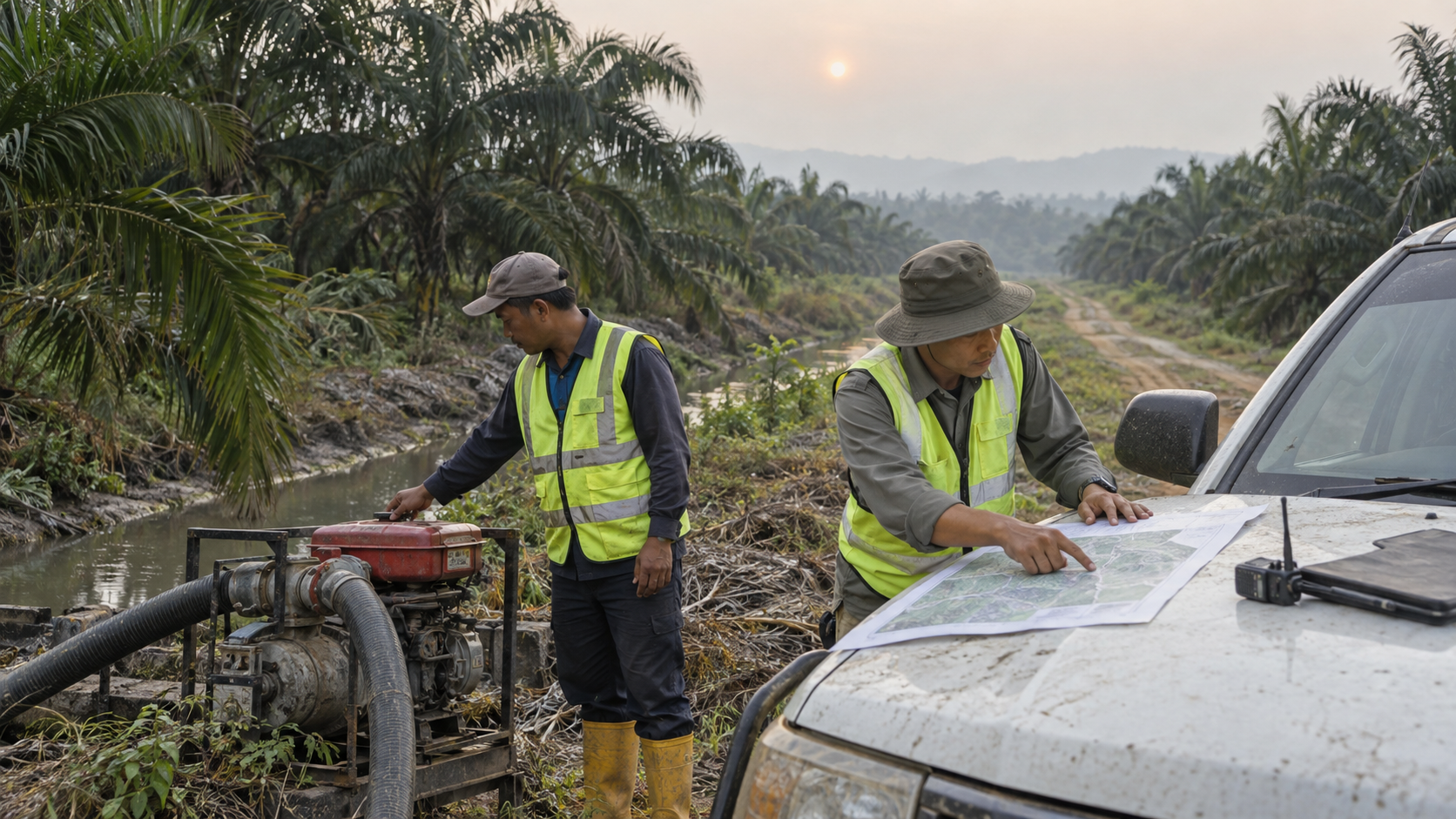
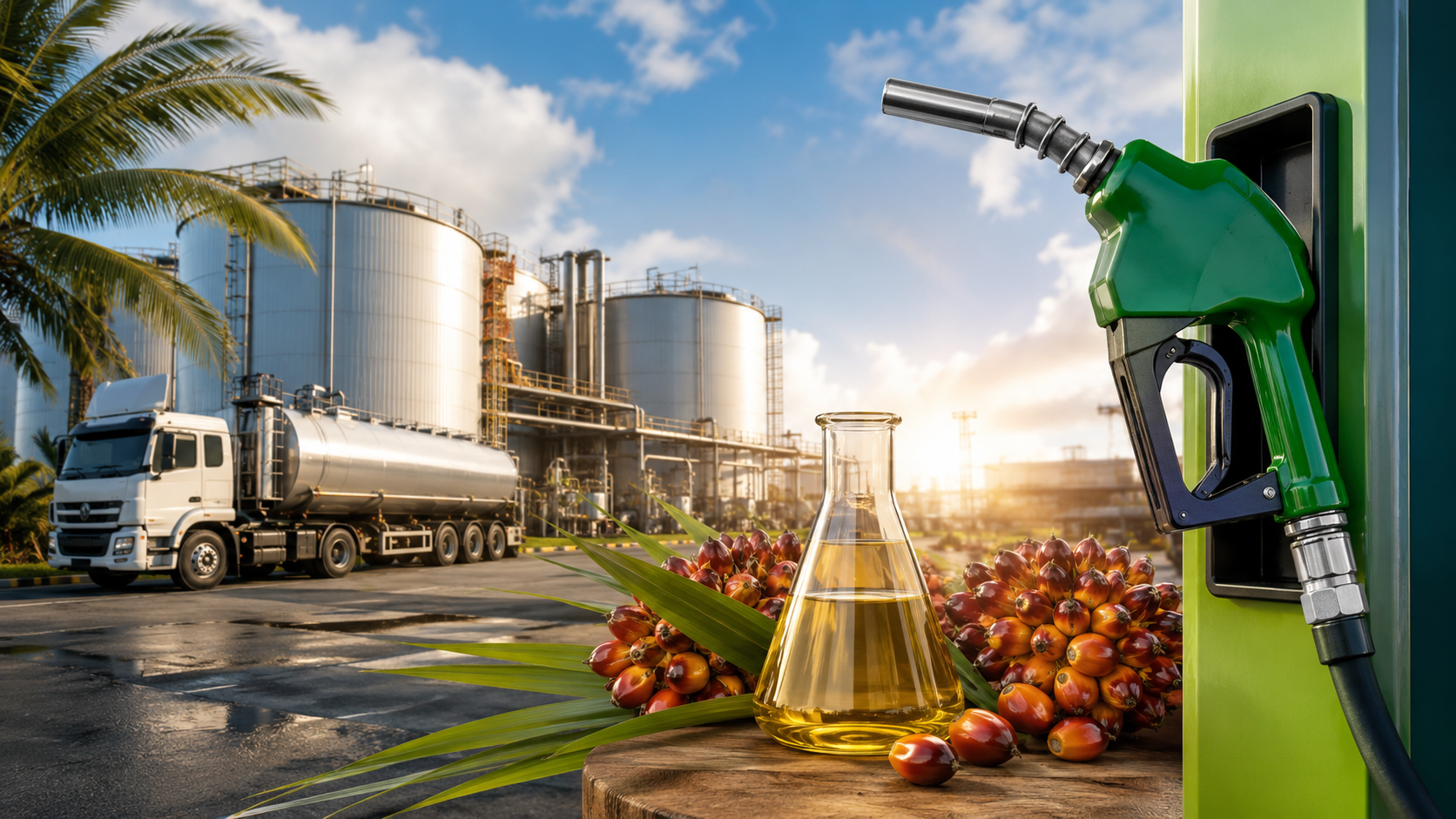
与此同时,农产品出口,特别是棕油及相关制品,也在4月呈现上扬趋势,为出口表现注入稳定支撑。这种“双轮驱动”的结构,不仅提升了整体抗风险能力,也说明马来西亚出口结构正在走向多元与平衡。
出口市场普遍回暖 对中国台湾出口创新高
从出口市场来看,马来西亚对主要经济体如东盟、中国、美国、欧盟均实现了正增长,显示出贸易网络的广泛性和深度。
尤其值得一提的是,我国对中国台湾地区的出口表现创下历史新高,增长幅度显著。这一成绩主要得益于电子产品、精密组件与能源相关材料的强劲需求,也进一步证明马来西亚在高技术制造领域的国际声誉正在稳步提升。
在此基础上,与我国签署自由贸易协定(FTA)的国家和地区,其整体出口也在4月实现了良好反弹,为企业开拓新渠道、新客户提供了有利条件。
进口增长凸显企业信心 投资意愿持续回升
进口方面同样表现积极,尤其是资本货物进口大幅增长超过一倍,反映出本地企业正加快在设备、技术与生产力方面的投入。这种投资行为通常预示着企业对未来经济的信心增强,也可能是产能扩张、产品升级的重要前兆。
虽然4月进口增幅略高于出口,使得贸易盈馀较上月有所回落,但整体贸易格局依然健康。
Madani经济战略下 多项举措同步推进
政府方面也积极响应全球趋势与国内需求,通过Madani经济框架下的系列政策,加快推动外贸转型升级。
**投资、贸易及工业部(MITI)**指出,为保持出口动能并拓展新兴市场,**马来西亚对外贸易发展局(MATRADE)正全面推动包括国际展会参与、出口加速计划、企业对接平台,以及Madani数码贸易平台(MDT)**等关键措施。
这些行动不仅帮助中小企业(SMEs)和中型公司(MTCs)走出国门、进入全球市场,也将马来西亚整体出口生态系统带入一个更具弹性与数字化能力的时代。
首四个月累计贸易近万亿 全球排名持续上升
不仅仅是单月表现亮眼,2025年前四个月,马来西亚已累计实现近1万亿令吉的贸易总额,同比增长超过7%。在国际层面,世界贸易组织(WTO)最新排名显示,我国的全球贸易地位从2023年的第26位上升至第24位,印证了我国在全球供应链与贸易网络中的重要性持续上升。
结语:稳定中求突破 持续优化外贸结构
马来西亚当前的贸易数据不仅反映出短期的恢复与增长,更展现出国家长期政策布局的效果逐步显现。无论是从产业基础的多元化、出口市场的拓展,还是从政策工具的更新升级来看,马来西亚正在朝着更加可持续、数字化与有韧性的方向迈进。
Madani经济的核心精神——包容、可持续与自主——正逐步转化为推动外贸发展的现实力量。
KUALA LUMPUR, May 20 – Malaysia’s external trade performance in April 2025 has once again exceeded expectations, with the country recording a total trade value of RM261.94 billion, marking an 18.2% year-on-year increase and the highest single-month figure since August 2022.
This marks the 16th consecutive month of trade growth, alongside an uninterrupted streak of 60 consecutive months of trade surplus — a clear indication of Malaysia’s resilience in global supply chains despite economic uncertainties and geopolitical headwinds.
Manufacturing and Agriculture: The Twin Engines of Growth
The latest trade surge was primarily fuelled by the continued strength of Malaysia’s manufacturing sector, particularly in electrical and electronics (E&E) products. These high-tech goods — ranging from semiconductors to precision components — remain in strong global demand and account for nearly half of the country’s total exports in April.
In parallel, agricultural exports also saw a notable rise, led by palm oil and palm-based products, which continue to serve as a stabilising pillar in Malaysia’s export structure. Together, these two sectors form a balanced and diversified trade foundation that mitigates the risks of overreliance on any single industry.
Broad-Based Export Growth with Record to China’s Taiwan
Malaysia’s export performance was robust across all key trading partners, including ASEAN, China, the United States, and the European Union.
Notably, exports to China’s Taiwan hit a new all-time high in April, driven by strong demand for E&E products, energy-related materials, and industrial components. This reinforces Malaysia’s positioning as a reliable supplier of high-value technology goods in regional value chains.
Trade with Free Trade Agreement (FTA) partners also saw a solid rebound, suggesting that Malaysia’s strategic bilateral and multilateral partnerships are translating into real trade benefits.
Import Expansion Reflects Business Confidence
Imports also registered strong growth, particularly in capital goods, which more than doubled year-on-year. This indicates a surge in domestic investment activities — such as machinery purchases and technology upgrades — and suggests businesses are optimistic about Malaysia’s near- to mid-term economic prospects.
Although import growth outpaced export growth in April, leading to a narrower trade surplus compared to March, the overall trade structure remains healthy and balanced.
Madani Economy Strategy Gains Momentum
The Ministry of Investment, Trade and Industry (MITI) emphasized that the government is actively enhancing its trade promotion and market development efforts under the Madani Economy framework, which focuses on inclusivity, resilience, and sustainability.
Through Malaysia External Trade Development Corporation (MATRADE), key initiatives are being rolled out, including participation in international trade expos, export acceleration programs, business matching events, and the development of the Madani Digital Trade (MDT) platform.
These efforts are particularly aimed at empowering SMEs and mid-tier companies, enabling them to access new global markets and participate more effectively in the digital economy.
Strong Year-to-Date Performance and Improved Global Standing
Malaysia’s cumulative trade value for the first four months of 2025 has reached nearly RM1 trillion, representing over 7% year-on-year growth. In a recent update, the World Trade Organization (WTO) ranked Malaysia 24th globally, up from 26th last year — reflecting the country's growing prominence in international trade.
Conclusion: Steady Growth with Strategic Vision
Malaysia’s April trade data not only signals short-term recovery but also highlights the positive long-term impact of strategic policymaking. With efforts to diversify export bases, embrace digital trade, and foster investment in technology, Malaysia is building a trade ecosystem that is increasingly competitive, resilient, and future-ready.
The Madani Economy’s guiding principles — sustainability, inclusivity, and economic empowerment — are now beginning to shape the reality of Malaysia’s external trade dynamics.