YEF 2026迈入第10届 聚焦马来西亚经济下一个十年
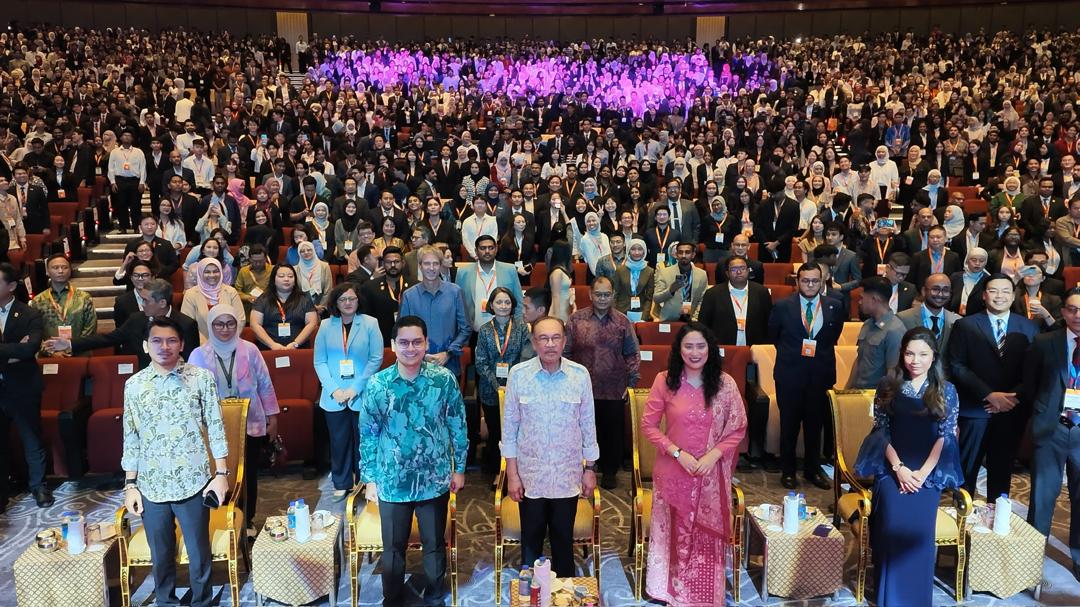
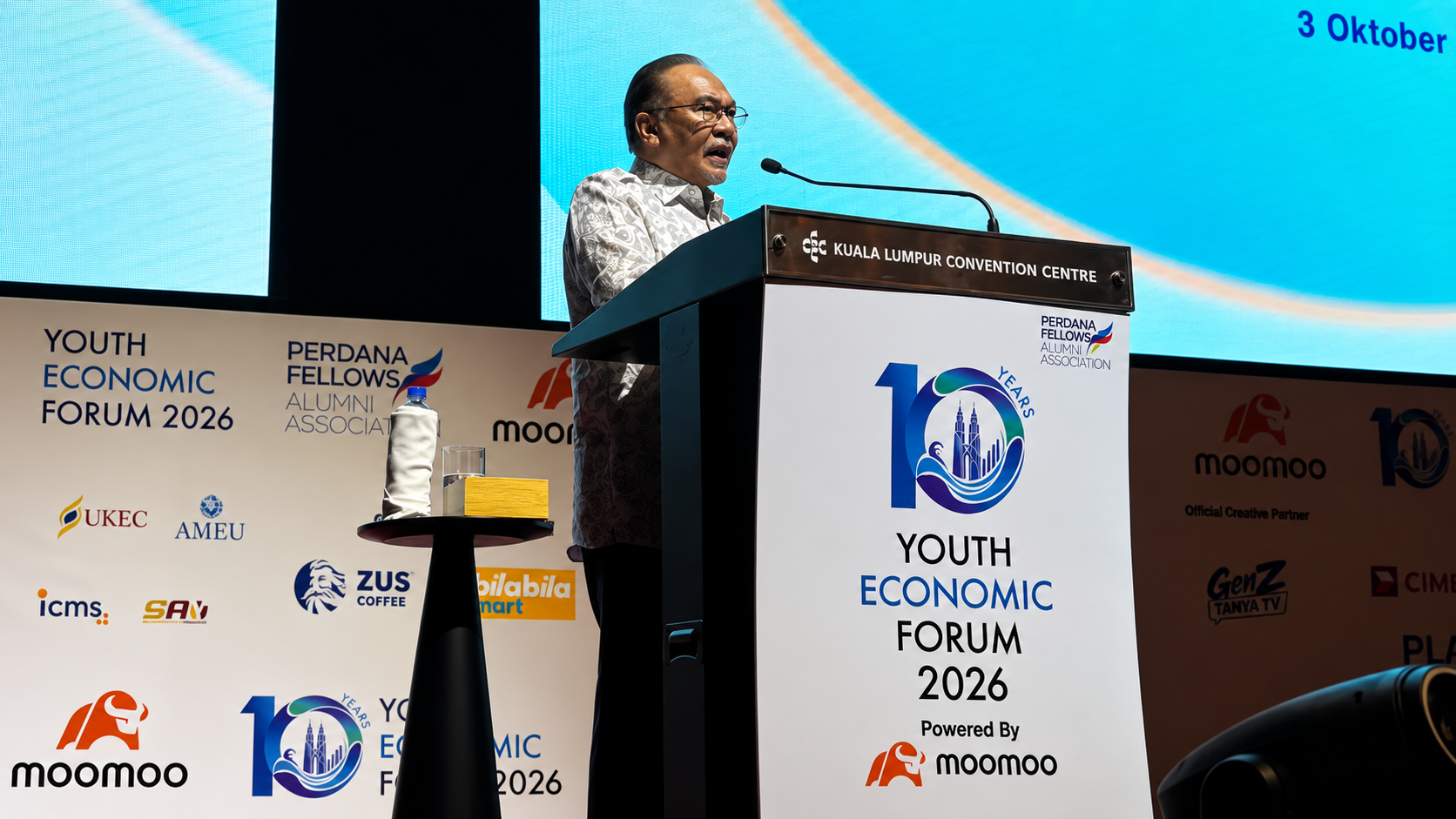
(吉隆坡3日讯)2026年青年经济论坛(YEF 2026)迈入第10届,并以“解码下一个十年:推进马来西亚经济新边疆”为主题,邀请青年领袖、政策制定者、企业领袖、学者及创新者,共同讨论马来西亚未来经济发展方向。
本届论坛围绕数码、绿色、人才及社会4大支柱展开,议题涵盖人工智能应用、绿色增长、人才培训、公共服务、收入提升、生活成本及社会包容。
主办方 Perdana Fellows Alumni Association(PFAA)表示,YEF的定位不只是交流平台,也希望将青年观点转化为可供政策制定者、企业及相关机构参考的实际建议。
数码科技推动传统行业转型
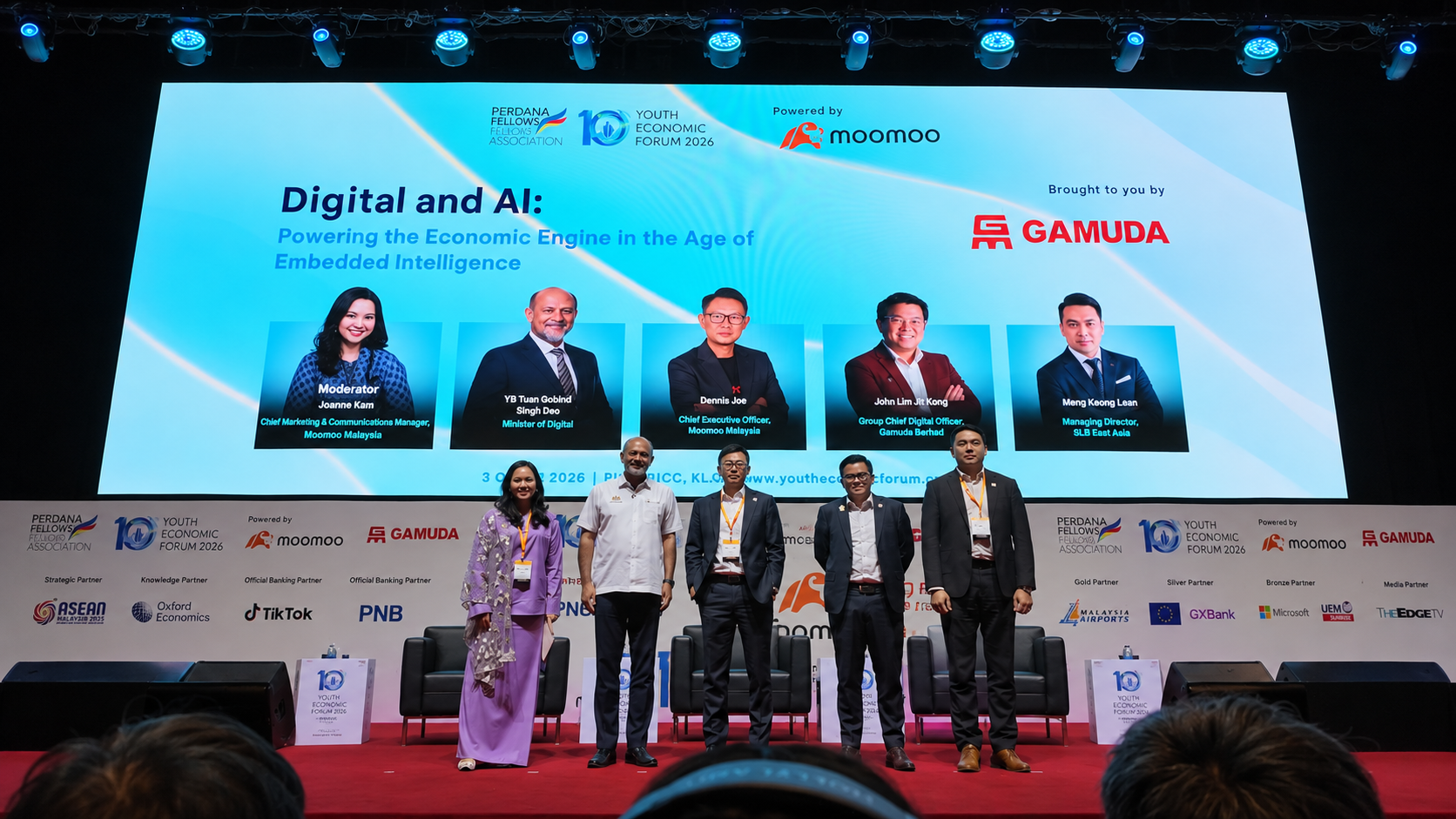
在数码支柱下,人工智能及数码科技被视为推动传统行业升级的重要工具。
对于中小企业及传统行业而言,人工智能的应用范围已从单纯的资讯科技领域,延伸至客户服务、财务管理、生产流程、市场推广及企业决策。
不过,企业采用人工智能仍面对成本、人才及技术能力等问题。青年经济论坛提出的相关讨论,显示未来的数码转型不能只关注大型企业,也必须让中小企业及年轻创业者获得更实际的工具、培训和融资支持。
如果数码科技能够进一步进入传统行业,将有助提升企业生产力,并改善马来西亚企业在区域市场的竞争能力。
绿色增长带来新的商业机会
绿色支柱则聚焦绿色经济及可持续发展机会。
随着企业面对能源转型、减碳及供应链要求,绿色经济已不再只是环境议题,也与投资、制造、能源、建筑及企业采购政策有关。
对青年创业者而言,绿色能源、能源效率、环保材料及低碳服务,可能成为新的商业领域。不过,初创企业往往面对资金不足、技术认证及市场准入等问题。
因此,绿色经济要形成规模,除了依靠企业投资,也需要技能培训、概念验证资金及采购机会配合,让青年企业能够从创意阶段进入商业化阶段。
人才培训必须配合产业变化
人才是YEF 2026讨论的另一项重点。
随着人工智能、自动化和绿色转型加快,企业对人才的要求也不断改变。传统学历仍然重要,但企业同样需要员工具备数据分析、数码工具、绿色技术及跨领域解决问题的能力。
因此,持续培训及技能提升将成为企业维持竞争力的重要条件。让在职人士通过短期课程、微证书及累积式学习提升能力,也有助减少企业招聘与现有人才技能之间的落差。
对年轻人而言,能够边工作边进修,将比单纯等待下一份工作更有利于长期职业发展。
青年参与经济决策
社会支柱则涵盖公共服务、收入增长、生活成本及社会包容。
年轻人面对的经济问题,往往与就业、住房、生活成本、公共交通及社会流动有关。因此,青年参与经济政策制定,不应只停留在论坛发言或一次性的咨询活动。
YEF 2026 相关政策建议提出,应建立更长期及具代表性的青年参与机制,让不同州属、行业及社会背景的年轻人,能够持续向政策制定者反映意见。
这类机制也能帮助政府及企业更早了解年轻消费者、创业者及就业人士面对的实际问题。
企业可从青年议题寻找新方向
对企业界而言,YEF 2026 讨论的议题与企业未来发展直接相关。
人工智能将影响企业营运和人才需求;绿色转型将改变供应链、融资及采购标准;技能培训将影响招聘和员工生产力;公共服务改善则可能影响企业营商效率。
因此,企业参与青年经济议题,不只是履行社会责任,也可以帮助企业了解未来市场、人才及政策环境的变化。
YEF迈入第10届,显示青年经济议题已逐渐从社会讨论,进入国家发展及商业决策的范围。
SOMO观察
YEF 2026 将数码、绿色、人才及社会放在同一个经济讨论框架内,反映企业面对的挑战已不再是单一的投资或就业问题。人工智能会改变生产模式,绿色要求会影响供应链,技能培训会决定企业转型速度,而生活成本则会影响消费与人才稳定。对企业而言,青年并不只是未来劳动力,也是创新、消费和创业生态的重要参与者。若政府、企业与青年能够建立持续沟通机制,将有助减少政策与市场实际需求之间的落差。
YEF迈入第10届,重点已从青年交流平台,逐步扩大至讨论马来西亚经济未来竞争力的平台。
YEF 2026 Marks 10th Anniversary, Focuses on Malaysia’s Economic Future for the Next Decade
KUALA LUMPUR, 3 OCTOBER 2026 – The Youth Economic Forum (YEF) 2026 marks its 10th anniversary this year under the theme “Decoding the Next Decade: Advancing Malaysia’s Economic Frontier”. The forum brings together youth leaders, policymakers, business leaders, academics and innovators to discuss Malaysia’s economic direction for the coming decade.
The forum focuses on four key pillars: Digital, Green, Talent and Social. Discussions cover artificial intelligence, green growth, talent development, public services, income growth, cost of living and social inclusion.
The organiser, the Perdana Fellows Alumni Association (PFAA), said YEF is not merely a platform for discussion, but also seeks to translate youth perspectives into practical recommendations for policymakers, businesses and relevant institutions.
Digital Technology to Drive the Transformation of Traditional Industries
Under the Digital pillar, artificial intelligence and digital technology are viewed as important tools for upgrading traditional industries.
For small and medium-sized enterprises and traditional businesses, the application of artificial intelligence has expanded beyond the information technology sector to areas such as customer service, financial management, production processes, marketing and business decision-making.
However, businesses continue to face challenges related to the cost of adoption, talent availability and technical capabilities. The discussions at YEF indicate that Malaysia’s digital transformation should not focus solely on large corporations. Small businesses and young entrepreneurs must also be given access to practical tools, training and financing support.
Wider adoption of digital technology across traditional industries could help improve productivity and strengthen the competitiveness of Malaysian businesses in regional markets.
Green Growth Creates New Business Opportunities
The Green pillar focuses on opportunities arising from the green economy and sustainable development.
As businesses face growing expectations related to energy transition, emissions reduction and supply-chain standards, the green economy is no longer solely an environmental issue. It is also closely linked to investment, manufacturing, energy, construction and corporate procurement policies.
For young entrepreneurs, renewable energy, energy efficiency, environmentally friendly materials and low-carbon services could become emerging areas of business opportunity. However, start-ups often face challenges such as limited funding, technical certification requirements and access to markets.
To scale up the green economy, business investment must be supported by skills training, proof-of-concept funding and procurement opportunities. This would allow young businesses to move from the idea stage towards commercialisation.
Talent Development Must Keep Pace with Industry Changes
Talent development is another key focus of YEF 2026.
As artificial intelligence, automation and the green transition accelerate, the skills required by businesses are also changing. Traditional academic qualifications remain important, but companies also need employees with capabilities in data analysis, digital tools, green technology and cross-disciplinary problem-solving.
Continuous training and upskilling will therefore be important to maintaining business competitiveness. Allowing working adults to improve their capabilities through short courses, micro-credentials and stackable learning pathways could help reduce the gap between employers’ needs and the skills available in the workforce.
For young Malaysians, the ability to continue learning while remaining employed could provide a stronger foundation for long-term career development.
Youth Participation in Economic Policymaking
The Social pillar covers public services, income growth, cost of living and social inclusion.
The economic challenges faced by young people are often linked to employment, housing, living costs, public transport and social mobility. For this reason, youth participation in economic policymaking should not be limited to forum discussions or one-off consultations.
The policy recommendations associated with YEF 2026 call for longer-term and more representative mechanisms for youth participation. Such mechanisms would allow young Malaysians from different states, industries and social backgrounds to continuously share their views with policymakers.
They could also help the government and businesses gain earlier insights into the concerns faced by young consumers, entrepreneurs and workers.
Businesses Can Identify New Directions Through Youth Issues
For the business community, the issues discussed at YEF 2026 are directly linked to future business development.
Artificial intelligence will affect business operations and talent requirements. The green transition will influence supply chains, financing and procurement standards. Skills development will affect recruitment and employee productivity, while improvements in public services could influence the ease of doing business.
Business participation in youth economic discussions is therefore not only a matter of social responsibility. It can also help companies better understand future market conditions, talent needs and the policy environment.
As YEF enters its 10th year, youth economic issues are moving beyond social discussions and becoming increasingly relevant to national development and business decision-making.
SOMO Observation
By placing digitalisation, green growth, talent and social development within one economic framework, YEF 2026 reflects the increasingly interconnected challenges faced by businesses. Artificial intelligence will reshape production models, sustainability requirements will affect supply chains, skills development will determine the pace of business transformation, while the cost of living will influence consumption and talent retention. Young people are not only the future workforce, but also important participants in innovation, consumption and entrepreneurship. Sustained engagement among the government, businesses and youth could help reduce the gap between policy priorities and market realities.
As YEF marks its 10th anniversary, its role is expanding from a youth discussion platform into a forum examining Malaysia’s future economic competitiveness.